

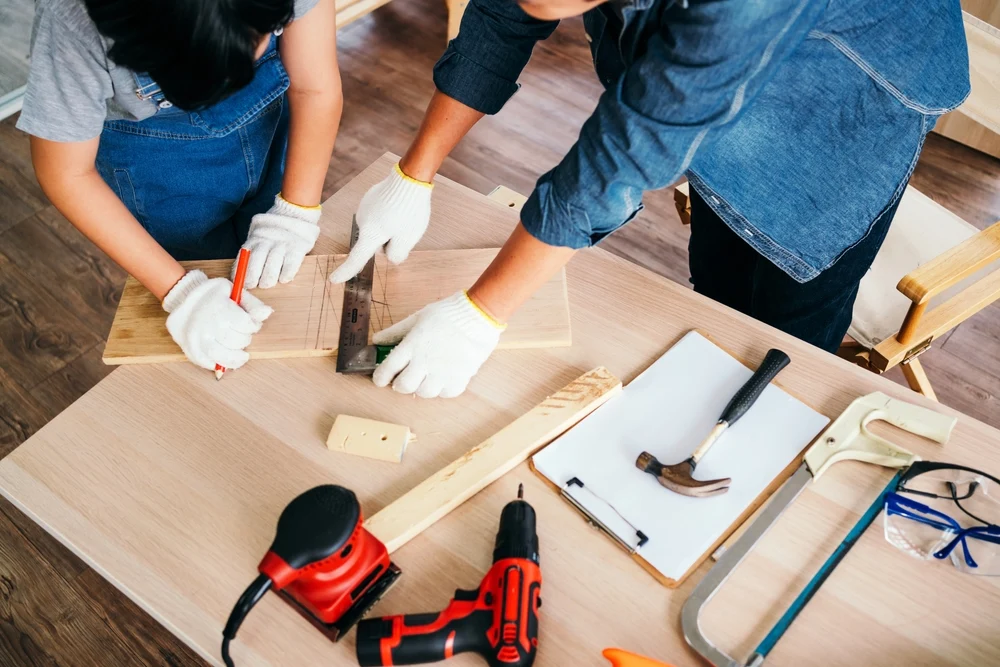
A successful woodworking project rarely begins with a saw or a hammer. It begins with a good plan. Whether you’re building a simple shelf, a coffee table, a garden bench, or a more ambitious piece of furniture, spending time on planning can make the difference between an enjoyable weekend project and a frustrating pile of expensive timber.
For beginners especially, woodworking can seem complicated because there are so many possibilities. Fortunately, a structured approach makes the process much easier. With the right project idea, accurate measurements, suitable materials, and dependable tools, even a first-time woodworker can produce something practical and attractive.
Start With the Right Project
The best woodworking project is one that matches your current skills, available tools, workspace, and available time.
If you’re new to woodworking, consider starting with relatively straightforward projects such as:
- Floating shelves
- Simple storage boxes
- Plant stands
- Small benches
- Basic coffee tables
- Outdoor planters
- Wall-mounted organizers
These projects provide opportunities to practice measuring, cutting, drilling, sanding, and assembling without requiring advanced joinery.
More experienced woodworkers can move toward cabinets, dining tables, outdoor furniture, workbenches, and other projects involving more complicated cuts and connections.
From my experience, choosing a project that’s slightly challenging—but not overwhelming—is one of the best ways to develop woodworking skills.
Why a Detailed Plan Matters
A woodworking plan is more than a drawing showing what the finished piece should look like. A useful plan should help you understand dimensions, materials, construction steps, and the tools required.
Before buying materials, review the entire project from beginning to end. Check the dimensions and determine how individual components fit together.
For people looking for inspiration, resources such as Digitriser can provide ideas for woodworking plans, furniture projects, outdoor builds, and other DIY projects. Having a clear reference before starting can make it easier to visualize the finished piece and identify the materials and tools you’ll need.
A good plan can also reduce wasted wood. When every board is measured and accounted for beforehand, you’re less likely to discover halfway through the project that an important component is missing.
Choose Materials Carefully
Wood selection has a major influence on the appearance, strength, and durability of a finished project.
Softwood vs. Hardwood
Softwoods such as pine are popular with beginners because they are relatively affordable and easy to work with. They can be a good choice for shelving, simple furniture, workshop projects, and many outdoor builds when properly treated.
Hardwoods such as oak, maple, walnut, and cherry are often chosen for higher-end furniture. They can provide beautiful grain patterns and excellent durability, although they may require more experience and a larger budget.
Check Boards Before Buying
Don’t simply choose the first boards you see. Look for excessive warping, large cracks, damaged edges, or other defects that could affect your project.
For larger furniture pieces, consistent grain direction can also improve the finished appearance.
Build a Practical Tool Collection
You don’t need a professional workshop to start woodworking. A small collection of reliable tools can handle a surprising number of projects.
Essential equipment may include:
- Measuring tape
- Combination square
- Pencil and marking knife
- Hand saw or circular saw
- Drill and drill bits
- Clamps
- Screwdriver set
- Random orbital sander
- Sandpaper in different grits
As your skills improve, you can add tools such as a router, miter saw, table saw, planer, or specialized hand tools.
The important thing is to buy tools based on the projects you actually intend to build. Collecting equipment without a purpose can become expensive quickly.
Measure Twice, Cut Once
It’s an old woodworking saying, but it remains one of the most useful pieces of advice in the workshop.
Before making a cut, verify the measurement and mark the correct cutting line. When several identical components are required, consider creating a simple template or stop block so every piece is consistent.
Accuracy becomes especially important when building furniture. A small measurement error in one component can create alignment problems later.
Also remember that lumber dimensions can be different from their nominal sizes. Always check the actual dimensions of the material you’re using before finalizing your cutting list.
Don’t Underestimate Sanding and Finishing
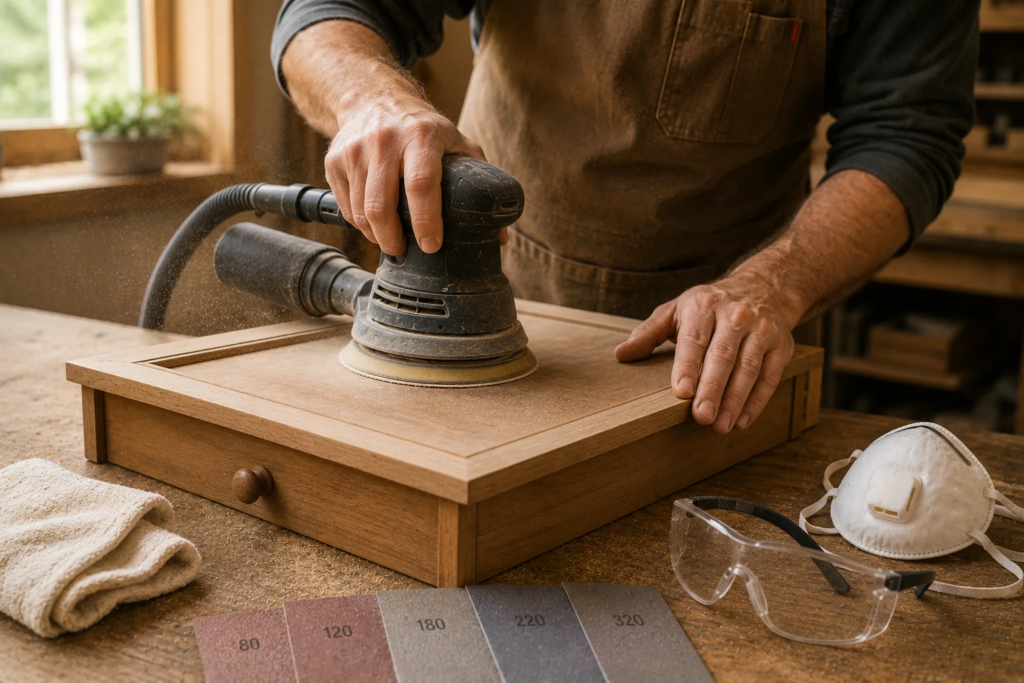
Sanding may not be the most exciting part of woodworking, but it can dramatically improve the final result.
Start with an appropriate coarse or medium grit when necessary, then gradually move toward finer grits. Avoid rushing through the process. Sanding too aggressively can create uneven surfaces or remove more material than intended.
Once the surface is prepared, choose a finish based on the project’s purpose.
For indoor furniture, options can include:
- Wood oil
- Wax
- Stain
- Clear polyurethane
- Water-based finishes
Outdoor projects require finishes designed to withstand moisture, sunlight, and changing temperatures.
Always follow the manufacturer’s safety and application instructions when using finishing products.
Common Mistakes to Avoid
Even experienced woodworkers occasionally make mistakes, but many common problems can be prevented through careful preparation.
Skipping the Cutting List
Without a cutting list, it’s easy to miscalculate the amount of lumber required. Write down every component before heading to the lumber store.
Ignoring Wood Movement
Natural wood responds to changes in humidity. For larger furniture projects, understanding seasonal movement can help prevent cracks, gaps, and other problems.
Using Too Few Clamps
Glue joints need appropriate pressure while curing. Having several clamps available can make assembly much easier and improve joint quality.
Rushing Assembly
Dry-fit components before applying glue or driving screws. This gives you an opportunity to identify alignment problems while they are still easy to correct.
Make Your Workspace Work for You

A good woodworking workspace doesn’t have to be large. What matters most is organization and safety.
Keep frequently used tools within easy reach, maintain a stable work surface, and ensure adequate lighting. Sawdust should also be managed regularly, particularly when sanding or cutting.
Personal protective equipment is equally important. Eye protection, hearing protection, suitable respiratory protection, and appropriate clothing can help reduce workshop risks. Follow the safety instructions for every power tool you use.
Turn Planning Into Better Projects
The biggest advantage of careful planning isn’t simply avoiding mistakes. It’s the confidence that comes from knowing what you’re doing before the first cut.
Once you become comfortable reading plans, creating cutting lists, selecting materials, and organizing your tools, you can approach increasingly ambitious projects with less uncertainty.
You may start with a small shelf and eventually build a complete outdoor seating set or a custom piece of furniture. Each project adds another set of skills to your woodworking toolkit.
Conclusion
Woodworking is both a practical skill and a creative outlet. The best projects combine thoughtful planning with careful craftsmanship. By selecting an achievable design, preparing accurate measurements, choosing appropriate materials, and using the right tools, DIY woodworkers can create pieces that are useful, durable, and satisfying to build.
Most importantly, don’t be afraid to start small. Every successful project teaches something new, and those lessons gradually turn basic woodworking knowledge into genuine craftsmanship.
