

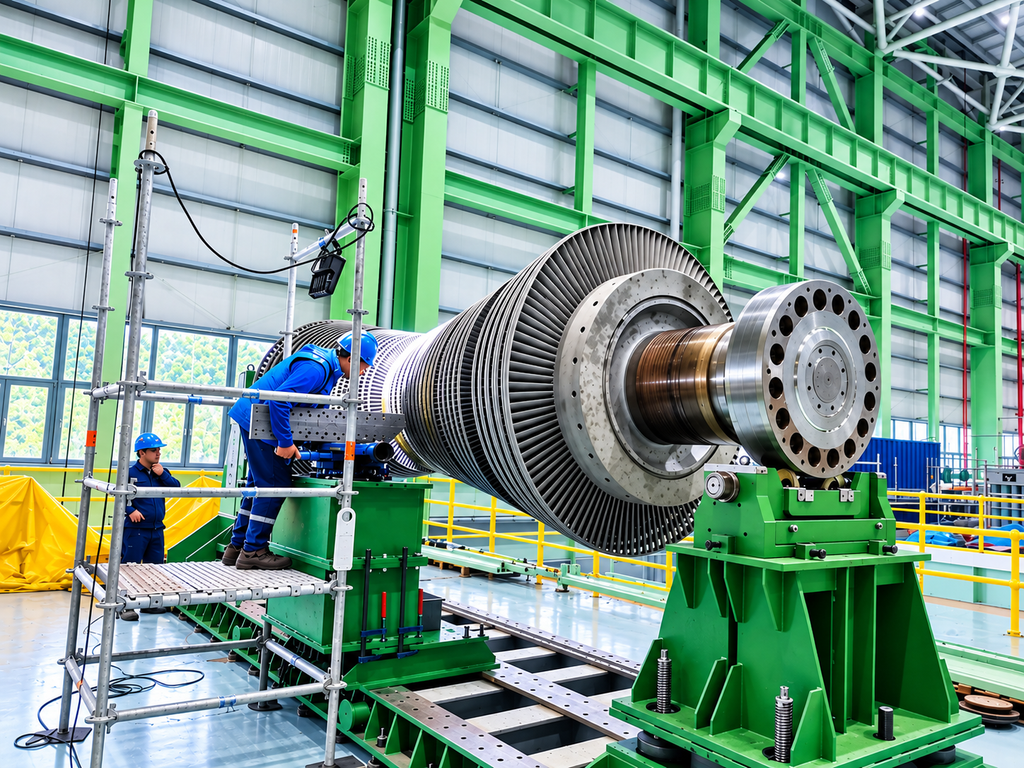
Steam turbines rely on carefully engineered stationary and rotating components to convert steam energy into mechanical power. Among these parts, steam turbine diaphragms have a direct influence on how steam moves through the turbine stages. Their condition can affect efficiency, pressure distribution, blade loading, and the overall reliability of the machine.
A diaphragm may appear to be a relatively simple stationary assembly, but it operates under demanding conditions. High temperatures, pressure differences, vibration, erosion, and repeated thermal cycling can gradually affect its geometry and structural condition. Regular inspection and appropriate repair practices therefore form an important part of turbine maintenance.
What Are Steam Turbine Diaphragms?
A steam turbine diaphragm is a stationary component positioned between turbine stages. It generally contains stationary nozzle passages or vanes that guide steam toward the moving blades on the rotor.
As high-pressure steam passes through these passages, its pressure and velocity change. The diaphragm helps direct the steam at an appropriate angle and velocity before it reaches the rotating blade row. The design of the passages depends on the turbine stage, operating pressure, temperature, and required steam flow characteristics.
Because the diaphragm is exposed directly to the steam path, its surfaces can experience erosion, deposits, corrosion, and dimensional changes. Even relatively small defects can affect steam flow and create additional stresses in nearby components.
How a Diaphragm Supports Steam Flow
The stationary vanes inside a diaphragm are designed to control the direction and distribution of steam. Steam entering a turbine stage does not simply travel straight toward the rotor. It must be accelerated and directed so that its energy can be transferred efficiently to the moving blades.
The diaphragm performs several related functions:
- Directing steam toward the moving blade row
- Controlling the velocity and angle of steam entering the rotor
- Separating pressure zones between turbine stages
- Maintaining the intended steam-path geometry
- Supporting stationary nozzle assemblies within the casing
The accuracy of these passages matters because changes in their shape can alter the flow pattern. Erosion around nozzle edges, distortion, or excessive clearance may contribute to losses and uneven loading.
Function of Diaphragm in Steam Turbine Systems
The function of diaphragm in steam turbine operation is closely connected with stage efficiency and steam-path control. A properly maintained diaphragm helps maintain the designed relationship between stationary nozzles and rotating blades.
During operation, the diaphragm is subjected to thermal expansion and pressure forces. It must retain sufficient structural stability while accommodating the temperature changes associated with turbine start-up, shutdown, and load variations.
Damage can develop in several areas. Nozzle surfaces may erode because of high-velocity steam or entrained particles. Corrosion can weaken surfaces and contribute to cracking. Thermal cycling can produce stresses around geometric transitions, welds, and attachment points.
A detailed inspection helps determine whether the component can remain in service, requires localized restoration, or needs more extensive repair.
Common Causes of Diaphragm Damage
Several operating and environmental factors can affect diaphragm condition.
Steam erosion: High-velocity steam can gradually remove material from nozzle surfaces. The effect may become more pronounced in areas exposed to moisture or suspended particles.
Corrosion: Chemical impurities in the steam or condensate can attack metallic surfaces. Corrosion may also create pits that become starting points for cracks.
Thermal stress: Repeated heating and cooling can cause expansion and contraction. Over many operating cycles, this can contribute to fatigue-related damage.
Vibration: Excessive vibration can place additional loads on stationary assemblies and their attachment points.
Foreign material: Deposits or foreign particles entering the steam path can damage nozzle surfaces and other nearby components.
Clearance changes: Distortion or wear can change the intended relationship between stationary and rotating parts, increasing the possibility of performance losses or contact.
Signs That a Diaphragm Needs Attention
Inspection findings can vary depending on turbine design and operating history. Engineers commonly examine the steam-path surfaces, nozzle passages, weld areas, mounting features, and dimensional condition.
Typical findings may include:
- Erosion along nozzle edges
- Cracks around stressed areas
- Corrosion or pitting
- Distorted nozzle passages
- Damaged welds or attachment points
- Deposits affecting steam passages
- Evidence of contact between stationary and rotating components
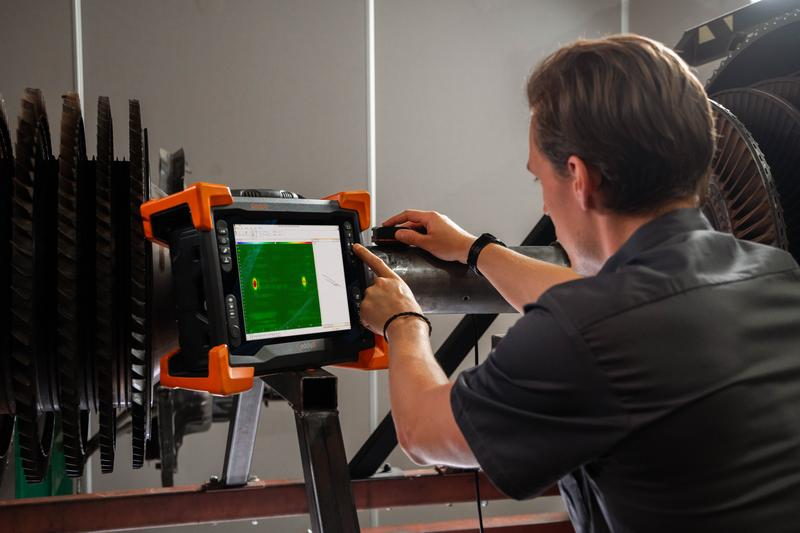
Non-destructive examination methods can be selected according to the suspected defect. Visual inspection may be followed by dimensional checks, dye penetrant testing, magnetic particle examination, ultrasonic testing, or other suitable techniques.
The repair decision should be based on the component’s material, damage location, operating conditions, remaining dimensions, and applicable engineering requirements.
Repair Methods for Damaged Turbine Components
Repair work can range from localized material restoration to major refurbishment. The selected method depends on the extent and type of damage.
Minor surface defects may sometimes be addressed through controlled machining or surface restoration. More substantial material loss can require welding or another approved repair process. After material restoration, machining may be necessary to return the component to the required dimensions.
Heat treatment may also be required depending on the alloy and repair procedure. Final inspection should confirm that the repaired component meets dimensional and quality requirements before it returns to service.
Repair activities should preserve the original steam-path geometry as closely as practical. An incorrectly restored nozzle profile can affect steam velocity and flow angle, potentially creating performance problems even if the repaired component appears structurally sound.
Where Bucket Repair Fits Into Turbine Maintenance
Stationary diaphragm work is only one part of turbine component maintenance. Moving blades and buckets operate under their own combination of centrifugal, thermal, and aerodynamic stresses.
Bucket component repair may involve inspection, crack detection, erosion restoration, dimensional correction, or replacement of damaged sections, depending on the component design and defect.
Because moving and stationary components operate together within the same steam path, their conditions should be considered collectively during an outage. Damage in one component can sometimes provide clues about operating conditions affecting neighboring parts.
The Role of Blade Repair
Turbine blades can experience erosion, corrosion, fatigue, cracking, and foreign-object damage. Their repair requires careful control of geometry because blade profiles directly affect aerodynamic performance.
Blade component repair may include controlled machining, material restoration, crack repair, surface treatment, or replacement of damaged areas. Inspection requirements vary according to blade material, turbine stage, operating temperature, and the nature of the defect.
For critical turbine components, repair procedures should be supported by appropriate engineering documentation, qualified personnel, suitable inspection techniques, and controlled manufacturing processes.
Selecting a Repair Provider
When evaluating component repair services, turbine operators can examine several practical factors. Relevant experience with the specific turbine component is useful, particularly for older or specialized equipment where drawings and original manufacturing information may need to be interpreted carefully.
A capable repair facility should be able to document inspection findings, repair procedures, dimensional checks, and final quality verification. Material identification and traceability can also be important for components exposed to high temperatures and mechanical loads.
The facility’s machining, welding, heat-treatment, non-destructive examination, and metrology capabilities should match the requirements of the component being repaired.
Maintenance Practices That Protect Diaphragms
Preventive maintenance can help identify deterioration before it develops into a larger steam-path problem. During scheduled outages, diaphragms should be inspected for erosion, corrosion, cracking, deposits, distortion, and other changes.
Comparing inspection measurements with previous outage records can help identify gradual deterioration. Steam chemistry control can also reduce corrosion-related problems, while monitoring turbine operating conditions can provide additional information about abnormal loading or performance changes.
Proper storage and handling are equally relevant when components are removed from service. Clean surfaces, controlled lifting procedures, and suitable protection can prevent avoidable damage before inspection or repair begins.
A diaphragm that receives timely inspection and technically appropriate repair can remain serviceable for many operating cycles. Its condition also provides useful information about the wider health of the turbine steam path. Maintaining accurate records of defects, repairs, dimensions, and operating history gives maintenance teams a stronger basis for planning future outages and component work.
