

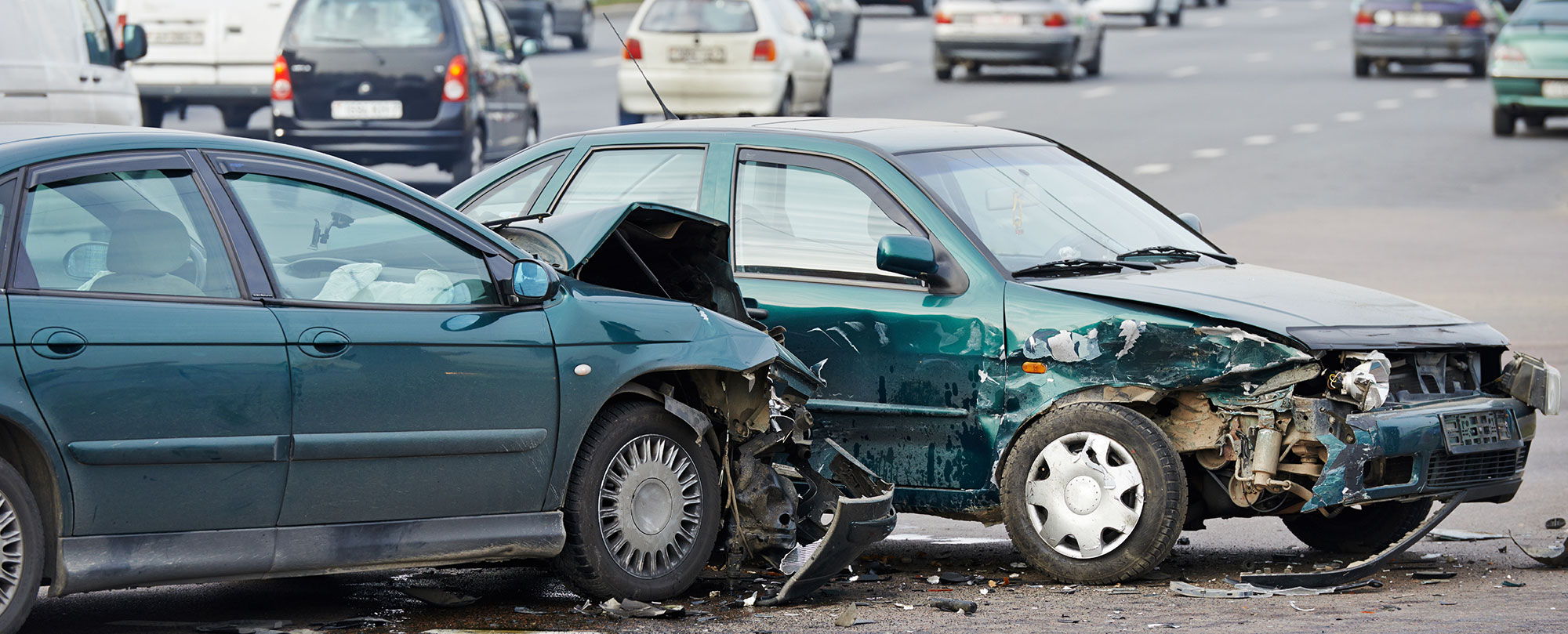
Side-impact collisions look simple from the outside: one car hits another square in the door. In reality, they’re violent, unpredictable events that load the body sideways, collapse the occupant space, and set off a maze of insurance issues. If you’ve been broadsided at an intersection, understanding the mechanics, injuries, and claim pitfalls will help you protect your health and your case—especially when you bring in an experienced t-bone accident lawyer early.
How a T-bone crash delivers extreme forces to the body
Modern vehicles have large crumple zones in the front and rear. The sides—not so much. When a car slams into your door at speed, there’s very little material to absorb energy before it reaches you. Doors can intrude into the cabin, side airbags may not fully deploy, and the impact often spins both vehicles, creating secondary hits. That combination produces unique trauma patterns that are easy for insurers to downplay unless they’re carefully documented.
Common injuries that linger long after the ER visit
Victims of side-impact collisions often suffer a blend of orthopedic, neurological, and internal injuries:
- Rib, clavicle, and pelvic fractures from door intrusion and belt loading
- Lung contusions or pneumothorax when broken ribs puncture tissue
- Shoulder damage and rotator cuff tears on the strike side
- Lateral whiplash, herniated discs, and nerve impingement from torsion
- Concussions and diffuse axonal injuries from rotational forces—even without a direct head strike
- Abdominal trauma to the spleen or liver from rapid compression
These aren’t “weekend” injuries. They can require surgery, months of physical therapy, cognitive rehab, and careful follow-up to catch complications.
Why proving fault in a T-bone often gets messy
Intersection crashes seem straightforward—someone ran a light or failed to yield—but real life is rarely that neat. Signal timing, permissive left turns, blocked sight lines, and competing witness accounts muddy the waters. Dashcam clips vanish, store cameras overwrite in days, and event data recorders (EDRs) get wiped when vehicles are repaired. A seasoned t-bone accident lawyer moves fast to preserve signal logs, subpoena nearby video, download EDR data, and map the crash using reconstruction experts before evidence disappears.
How a t-bone accident lawyer ties medical proof to collision mechanics
Insurers love to call concussions “mild” and back pain “preexisting.” Linking the injury to the way the crash unfolded is how you shut that down. Your legal team will:
- Align imaging (MRI/CT), orthopedic notes, and neuro testing with the direction of force and vehicle deformation
- Use photos of door intrusion, seatbelt marks, and airbag deployment to explain specific injuries (e.g., lap-belt bruising plus abdominal pain)
- Bring in biomechanical experts when needed to show how even moderate speeds can generate damaging lateral loads
When the medicine and mechanics tell the same story, settlement value rises.
Damages that truly reflect a side-impact recovery
A fair outcome accounts for more than the ER bill:
- Ongoing care: post-op rehab, injections, vestibular or cognitive therapy
- Lost wages and reduced earning capacity if lifting, driving, or screen time are limited
- Out-of-pocket costs: meds, mileage, equipment, home help
- Pain, suffering, sleep disruption, and loss of enjoyment—especially for athletes, caregivers, or hands-on workers whose routines are upended
- Future medical needs and the risk of arthritis near fracture sites
Your claim should model the next several years, not just the next few weeks.
T-bone claim mistakes that quietly shrink compensation
- Giving a recorded statement before you’ve spoken to counsel
- Skipping specialist referrals or leaving gaps in treatment
- Repairing or totaling the car before an inspection and EDR download
- Posting “back to normal” moments on social media that are later used out of context
- Settling before maximum medical improvement or clear long-term projections
A careful approach—and a little patience—usually pays more than a quick check.
When comparative fault enters the picture
California’s comparative negligence rules reduce recovery by your percentage of fault. In intersection cases, adverse insurers often argue you “jumped the green” or “should have seen them.” Objective evidence beats spin: signal phase data, lane camera footage, skid measurements, and vehicle speed from EDRs. A focused investigation keeps your share of fault low and your net recovery high.
Working with a t-bone accident lawyer to build leverage
What strong representation looks like in practice:
- Preservation letters within days to traffic agencies, nearby businesses, and rideshare companies
- On-site scene work: measurements, sight-line analysis, sun-angle checks, and drone imagery when helpful
- Coordination with treating physicians so narratives explain why symptoms persist even when early scans are normal
- Life-care planning and vocational assessments in moderate to severe cases
- Trial-ready preparation that signals you’re not afraid to file if the offer isn’t fair
Insurers pay attention when the file reads like a case they could lose in court.
Practical steps to take this week if you were broadsided
- Get same-day medical care and follow every referral.
- Photograph the vehicle interior and exterior—especially the impact side and belt marks.
- Ask nearby businesses for camera retention periods; share details with your lawyer immediately.
- Keep a daily journal of symptoms, missed work, and activity limits.
- Route all insurer calls through your attorney.
Ready to talk with a t-bone accident lawyer?
If a side-impact crash has upended your life, you don’t have to navigate the medical maze and insurance tactics alone. A dedicated t-bone accident lawyer can secure the proof, value the long-term costs, and push for the outcome that actually matches what you’re living through. Reach out for a free case review and a straightforward plan to move forward.
