

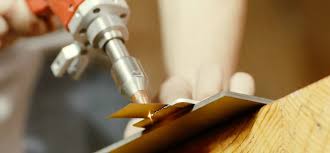
Metal laser cutting has become one of the most important fabrication methods in modern manufacturing. From industrial machinery and automotive parts to architectural panels and custom metal products, laser cutting provides the speed and precision many industries require today. A laser cutting machine can create clean, accurate cuts with minimal material waste, making it a popular choice for both high-volume production and custom fabrication work.
As technology continues to improve, laser cutting systems are becoming faster, more efficient, and capable of handling a wider range of materials and applications.
What Is Metal Laser Cutting?
Metal laser cutting is a fabrication process that uses a concentrated laser beam to cut through metal. The laser generates intense heat that melts or vaporizes material along a programmed cutting path. Most systems use CNC controls, allowing operators to create highly accurate cuts and detailed designs with repeatable results.
Laser cutting is commonly used on:
- Stainless steel
- Carbon steel
- Aluminum
- Brass
- Copper
Because it is digitally controlled, it works well for both simple and complex fabrication work.
How the Process Works
The process starts with a digital CAD design that is programmed into the cutting system. Once the material is positioned, the laser beam focuses on a precise point on the metal surface.
As the beam moves, the metal melts or vaporizes. Assist gases such as oxygen or nitrogen help remove molten material and improve edge quality. This process produces smooth cuts that often require less secondary finishing than traditional cutting methods.
Common Types of Laser Systems
There are multiple types of systems and machines. It’s important to understand the options so you can choose what will best meet your needs. Here are the most common.
- Fiber Lasers: Fiber lasers are popular because they offer fast cutting speeds, energy efficiency, and strong performance on reflective metals like aluminum and brass.
- CO2 Lasers: CO2 lasers have been used for decades and are still effective for cutting certain metals and non-metal materials.
- Crystal Lasers: Crystal lasers provide excellent precision but are generally more expensive to operate and maintain.
Benefits of Metal Laser Cutting
Laser cutting offers several advantages for manufacturers and fabricators. Those benefits include:
- High precision
- Faster production speeds
- Reduced material waste
- Smooth edge quality
- Ability to cut complex shapes
- Minimal post-processing
These advantages make laser cutting useful for industries that require consistent, accurate production.
Industries That Use Laser Cutting
Laser cutting technology is used across many industries, including:
- Automotive manufacturing
- Aerospace production
- Construction
- Agricultural equipment
- Medical device manufacturing
- Decorative metal fabrication
Its flexibility allows manufacturers to produce both custom parts and large production runs efficiently.
Final Thoughts
Modern laser systems continue evolving with improved automation, advanced software, and higher cutting speeds. Many manufacturers now use automated loading systems and smart monitoring technology to improve productivity and reduce downtime.
As manufacturing demands continue growing, laser cutting remains one of the most effective methods for producing accurate, high-quality metal components. Whether for industrial production or custom fabrication, a laser cutting machine continues to play a major role in modern metalworking.
