

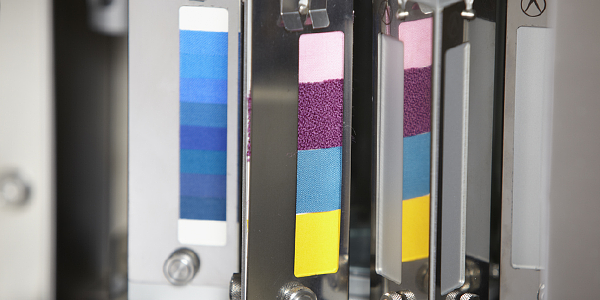
Colour fastness is a critical attribute in the textile industry, ensuring that fabrics retain their color integrity throughout their life cycle, even after exposure to various external factors such as washing, sunlight, or rubbing. The term “colour fastness” refers to the resistance of a material’s color to fading or running under specific conditions. One of the essential tools used to evaluate this characteristic is the Colour Fastness Tester, a device designed to assess how well a textile can maintain its color when subjected to different tests. In this essay, we will explore the significance of colour fastness testing, the types of tests conducted, how a Colour Fastness Tester works, and why it is indispensable in the textile industry.
What is Colour Fastness?
Colour fastness refers to the ability of a textile’s color to resist fading, running, or staining due to exposure to various external agents like washing, light, friction, or perspiration. Fabrics used in apparel, upholstery, and even automotive interiors are subject to daily wear and tear, and their color must remain intact despite these stresses. Poor colour fastness can result in discoloration, reduced fabric appeal, and potential customer dissatisfaction.
The Need for Colour Fastness Testing
The demand for color-stable fabrics has increased significantly over the years. This is due to consumers’ heightened expectations regarding the durability of their clothing and home textiles. With the globalization of the textile industry, manufacturers must adhere to international standards of quality and durability to ensure that their products meet customer expectations across various markets.
The most efficient way to evaluate a fabric’s colour fastness is through rigorous testing. By conducting such tests, manufacturers can determine whether their fabric will withstand real-world conditions like frequent washing, exposure to sunlight, or contact with perspiration. Additionally, regulatory standards set by organizations like ASTM (American Society for Testing and Materials) and ISO (International Organization for Standardization) require that textile manufacturers test their products to confirm they meet safety and quality standards.
Types of Colour Fastness Tests
There are several types of colour fastness tests that assess different aspects of a textile’s performance. The Colour Fastness Tester is designed to perform these tests systematically to evaluate the durability of a fabric’s color under specific conditions.
1. Colour Fastness to Washing
This test simulates the effect of washing on fabric color. During the test, the fabric is subjected to washing conditions (temperature, detergents, mechanical agitation) to observe how much color transfer or fading occurs. Colour fastness to washing is crucial because clothes are frequently laundered, and any significant change in color could be unacceptable.
2. Colour Fastness to Light
Sunlight exposure causes fabrics to fade over time, which can be especially problematic for outdoor textiles and fabrics used in fashion. The colour fastness to light test simulates prolonged exposure to light, usually using a xenon arc lamp or a specific light source, to assess how well the fabric maintains its color under light exposure.
3. Colour Fastness to Rubbing (Friction)
This test assesses how well a fabric retains its color when subjected to rubbing or friction. This is an essential test for textiles used in high-contact areas, such as upholstery or garments with areas of high movement. It is performed by rubbing a fabric swatch against a standard abrasive material and assessing the amount of color transfer to a white cloth.
4. Colour Fastness to Perspiration
Fabrics that come into contact with human skin, especially in the form of clothing, must be resistant to staining or fading when exposed to sweat. This test involves placing the fabric in a chamber with artificial perspiration and checking for any signs of color degradation or staining.
5. Colour Fastness to Water
Water exposure can also cause color bleeding or fading, especially in fabrics that have been poorly dyed. The colour fastness to water test evaluates how well a fabric resists running when exposed to moisture.
How Does a Colour Fastness Tester Work?
A Colour Fastness Tester is a specialized machine designed to replicate these environmental conditions in a controlled and consistent manner. These testers are equipped with various chambers, mechanisms, and instruments to perform each of the aforementioned tests.
For instance, in the Colour Fastness to Washing test, a sample of the fabric is placed in a washing machine designed for this purpose. The fabric is washed with detergents under specific temperature and agitation conditions. After washing, the fabric is compared to a standard color scale to determine any fading or transfer of color.
In the Colour Fastness to Light test, the fabric sample is placed in a chamber with a xenon arc lamp or other artificial light source. The exposure time and intensity are carefully controlled to mimic prolonged outdoor sunlight exposure. After a set period, the fabric is evaluated for any signs of fading or color change.
For Colour Fastness to Rubbing, a machine with an abrasive surface is used to rub the fabric sample in a prescribed manner. The color transfer to a white cloth is then assessed using a color comparison scale.
Each of these tests is designed to simulate specific real-world conditions that textiles face. The results provide manufacturers with valuable data that helps improve the quality and longevity of their products.
Why are Colour Fastness Testers Essential for Manufacturers?
Colour fastness testers are crucial for ensuring that textile products meet both consumer expectations and industry standards. There are several reasons why these testers are indispensable in the textile industry:
1. Quality Control
By performing fastness tests, manufacturers can identify potential weaknesses in the fabric’s color stability early in the production process. This enables them to adjust their dyeing methods or choose more durable materials before the product reaches the market.
2. Compliance with International Standards
International standards, such as those set by ASTM and ISO, require manufacturers to test their products for colour fastness. These standards are designed to ensure that products are safe and durable for consumers. Colour fastness testers allow manufacturers to verify that their fabrics meet these global regulations, ensuring that their products can be sold in multiple markets.
3. Consumer Satisfaction
Consumers expect fabrics to maintain their color for as long as possible. Whether it’s a favorite shirt, a sofa cushion, or a set of curtains, no one wants their textile items to lose their vibrancy after a few washes or sun exposures. Colour fastness testers help manufacturers produce textiles that meet these expectations, leading to higher customer satisfaction and brand loyalty.
4. Cost Efficiency
Identifying color fastness issues early on in the production process can save manufacturers from costly rework or returns. Additionally, ensuring that fabrics maintain their color integrity reduces the likelihood of complaints or product returns, which can be a significant financial burden for companies.
Conclusion
Colour fastness is a fundamental quality of textiles that plays a significant role in the longevity and appeal of fabric products. The Colour Fastness Tester is an invaluable tool in the textile industry, providing manufacturers with the ability to assess and improve their fabric’s color durability under various conditions. By performing rigorous tests for washing, light exposure, rubbing, perspiration, and water resistance, these devices ensure that fabrics meet industry standards and consumer expectations. As the textile industry continues to evolve, the importance of colour fastness testing will only increase, making Colour Fastness Testers an essential piece of equipment for any textile manufacturer aiming to produce high-quality, durable products.
For more information on textile testing methods/standards
or textile testing machines, contact us:
What’s App: +86 180 2511 4082
Tel: +86 769 2329 4842
Fax: +86 769 2329 4860
Email: [email protected] [email protected]
