

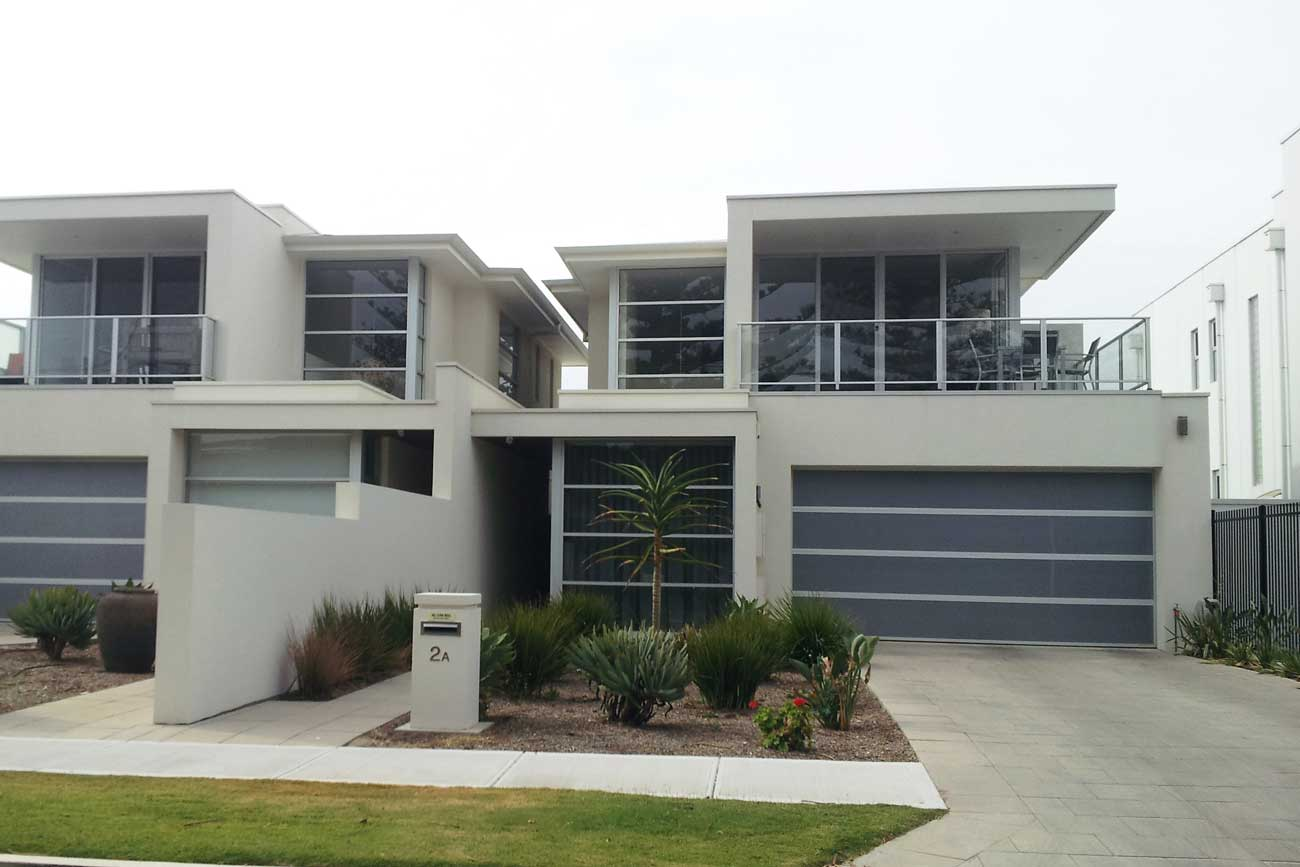
In the world of modern architecture and design, creativity and innovation often emerge from reimagining familiar materials. One such transformation that has captured the attention of architects, designers, and homeowners alike is the use of Coloured Concrete. Once seen merely as a functional material for structural purposes, concrete has evolved into a medium for artistic expression and aesthetic appeal.
Today, Coloured Concrete is redefining how spaces look and feel adding depth, vibrancy, and personality to contemporary architecture. Whether used in public infrastructure, residential homes, or commercial buildings, it’s reshaping modern design by blending strength with style.
The Evolution of Concrete in Design
Concrete has been one of the most versatile and durable construction materials for centuries. Traditionally known for its gray tone and utilitarian appearance, it has formed the backbone of cities and structures worldwide. However, as design philosophies evolved, the need to merge function with visual appeal led to experimentation with materials and that’s where Coloured Concrete made its mark.
Architects began exploring the potential of adding pigments, dyes, and stains to concrete mixtures, transforming its dull appearance into something expressive. What was once a neutral backdrop became a design feature rich in texture, tone, and character. The shift from purely structural to decorative has given concrete a completely new identity in modern design.
What Is Coloured Concrete?
Coloured Concrete is essentially concrete infused with pigments or stains that alter its natural gray tone. The color can be introduced in several ways during the mixing process, applied as a surface treatment, or added through chemical staining. These pigments are typically made from natural or synthetic iron oxides that are highly durable and fade-resistant.
This innovation allows architects and designers to match or contrast building materials, create patterns, or highlight architectural features. The result is a harmonious blend of durability and beauty that makes Coloured Concrete ideal for both interior and exterior applications.
Why Coloured Concrete Is Gaining Popularity
The growing popularity of Coloured Concrete in architecture is driven by its ability to combine aesthetic appeal with practical benefits. It’s not just about adding color, it’s about redefining how concrete interacts with light, texture, and space.
1. Aesthetic Versatility
- Designers can choose from an endless range of colors, from subtle earth tones to bold, vibrant hues.
- The ability to control color intensity, texture, and finish allows for customized design possibilities.
- It complements various materials like glass, steel, wood, and stone, enhancing overall architectural harmony.
2. Long-Lasting and Low Maintenance
- Pigments used in Coloured Concrete are UV-stable, ensuring color longevity even under harsh sunlight.
- The color penetrates deep into the material, making it resistant to peeling or fading.
- It requires minimal maintenance, making it ideal for high-traffic areas and outdoor surfaces.
3. Sustainability and Environmental Benefits
- Coloured Concrete eliminates the need for additional finishing materials like paints or tiles, reducing waste.
- Its reflective properties help reduce heat absorption, contributing to energy efficiency in buildings.
- Many modern pigments are eco-friendly and derived from natural sources, aligning with sustainable design goals.
4. Design Freedom for Architects
- With this material, architects can express creativity without compromising structural integrity.
- It allows experimentation with patterns, textures, and gradients that traditional concrete cannot achieve.
- The result is a visually engaging environment that remains functional and timeless.
Applications of Coloured Concrete in Modern Design
The adaptability of Coloured Concrete has expanded its use across a wide range of projects. From large-scale public structures to intimate residential interiors, its applications continue to grow.
Architectural Facades
Coloured facades add vibrancy to cityscapes and help buildings stand out while maintaining an organic look. The colors can be blended to mimic natural stone or contrast dramatically against urban backdrops.
Flooring and Pavements
Interior and exterior flooring made of Coloured Concrete offers durability along with aesthetic charm. Its slip-resistant surface and easy maintenance make it perfect for commercial spaces, driveways, and patios.
Public Spaces and Landscapes
Parks, plazas, and pathways benefit greatly from colored surfaces that enhance visual identity and wayfinding. Designers can use different hues to define zones or create artistic patterns that make spaces more engaging.
Residential Interiors
Modern homes now use Coloured Concrete for countertops, feature walls, staircases, and even furniture. Its smooth finish and natural look bring a sense of warmth and sophistication to living spaces.
Industrial and Commercial Projects
Businesses often use colored finishes to reflect brand aesthetics or create a specific mood within a space. From shopping malls to office complexes, it offers both style and endurance.
Techniques Used to Achieve Colour in Concrete
There are several methods to create color effects in concrete, each offering unique visual results.
Integral Coloring
Pigments are added directly to the concrete mix, creating uniform color throughout the structure. This method ensures long-lasting results and is ideal for large applications like pavements and slabs.
Surface Coloring
Color is applied to the top layer of freshly poured concrete. It provides rich tones and textures, commonly used for decorative floors and pathways.
Acid Staining
Chemical reactions between acids and the concrete surface produce unique, marbled effects. Each result is distinct, giving a natural and artistic appearance.
Dry Shake and Dyes
Dry shake hardeners and dyes can enhance surface strength and visual depth, offering a wide variety of design outcomes.
Advantages Beyond Aesthetics
While the visual appeal of Coloured Concrete is undeniable, its benefits extend well beyond appearance. It’s a material that aligns with modern architectural priorities sustainability, longevity, and adaptability.
- Durability: Coloured Concrete is built to withstand heavy use and environmental stress without losing its charm.
- Cost-Effective: It combines the structure and finish into one material, reducing the need for extra coatings or cladding.
- Customization: Every project can have its unique look, thanks to the wide spectrum of color and finish options.
- Timeless Appeal: It complements both traditional and futuristic designs, maintaining relevance across architectural trends.
Coloured Concrete and the Future of Architecture
As the boundaries between art, architecture, and engineering continue to blur, materials like Coloured Concrete are becoming key players in shaping the future of design. Its versatility makes it suitable for projects ranging from eco-friendly homes to avant-garde commercial spaces.
Architects now view concrete not as a limitation but as a canvas. With advancements in pigment technology and finishing techniques, the potential to create expressive, sustainable structures is greater than ever. The rise of Coloured Concrete signifies a shift toward materials that merge practicality with beauty materials that tell stories through texture, tone, and form.
Conclusion
The evolution of Coloured Concrete represents more than a design trend; it’s a revolution in how we perceive and use one of the world’s most common building materials. It has transformed concrete from a purely structural element into a creative medium capable of shaping emotions and experiences.
From striking architectural facades to serene residential interiors, Coloured Concrete continues to inspire innovation in every corner of design. Its durability, sustainability, and artistic flexibility ensure that it will remain a cornerstone of modern architecture for generations to come.In essence, Coloured Concrete stands as proof that beauty and strength can coexist that even the most ordinary materials can redefine the extraordinary when imagination takes the lead.
