

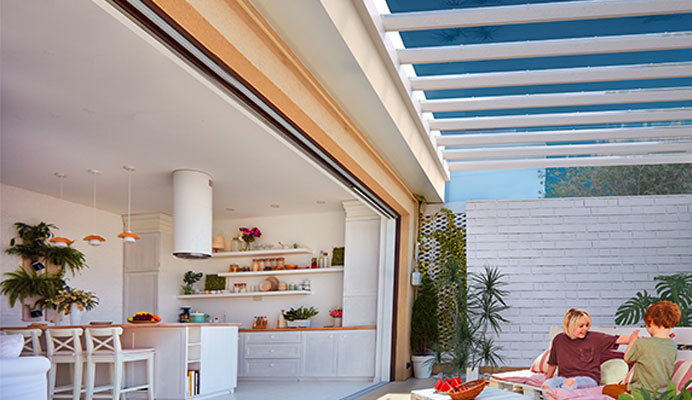
Natural light is a key factor in creating welcoming, energy-efficient, and functional spaces. Whether in homes, offices, or commercial buildings, maximizing daylight not only improves aesthetics but also reduces dependence on artificial lighting. Among the many daylighting solutions available, polycarbonate rooflights stand out as one of the most practical and cost-effective choices. Strong, lightweight, and versatile, these rooflights offer an ideal way to transform spaces with style and durability.
What Are Polycarbonate Rooflights?
Polycarbonate rooflights are glazing panels made from polycarbonate, a thermoplastic material known for its exceptional strength and impact resistance. Unlike traditional glass, polycarbonate is lightweight yet highly durable, making it perfect for rooflight applications in both residential and commercial buildings.
These rooflights are commonly installed on flat or pitched roofs to allow natural light into rooms where standard vertical windows may not be sufficient. Because polycarbonate is more flexible than glass, it can also be molded into different shapes and sizes, giving architects and homeowners a wide range of design options.
Benefits of Polycarbonate Rooflights
1. Exceptional Strength and Durability
Polycarbonate is up to 200 times stronger than glass, making it almost unbreakable under normal conditions. Polycarbonate rooflights can withstand heavy impacts, harsh weather, and temperature fluctuations, ensuring long-lasting performance.
2. Lightweight and Easy to Install
Despite their strength, polycarbonate panels are much lighter than glass. This makes handling and installation easier, reducing both time and labor costs.
3. Cost-Effective Solution
Polycarbonate is generally more affordable than glass, making it a budget-friendly option for those looking to upgrade their space with rooflights without compromising on performance.
4. Energy Efficiency
Modern polycarbonate rooflights are designed with multiwall structures that improve insulation. These help reduce heat loss in winter and minimize heat gain in summer, lowering energy bills.
5. UV Protection
Polycarbonate rooflights can be manufactured with UV-resistant coatings that block harmful ultraviolet rays while still allowing natural light to brighten interiors. This feature protects furniture, flooring, and occupants from UV damage.
6. Versatile Design Options
From domed to flat styles, polycarbonate rooflights can be customized to suit different architectural needs. They are available in clear, tinted, or opal finishes, allowing you to control the level of light and privacy.
Applications of Polycarbonate Rooflights
The versatility of polycarbonate rooflights makes them suitable for a wide range of projects:
- Homes – Perfect for kitchens, bathrooms, lofts, and extensions where extra light is needed.
- Offices – Enhance productivity with bright, natural light in workspaces.
- Commercial Buildings – Ideal for warehouses, factories, and retail spaces where durability and light transmission are crucial.
- Educational Facilities – Provide classrooms and libraries with healthier daylight-filled environments.
- Sports and Leisure Centers – Strong enough to withstand impact while creating bright indoor areas.
Energy Efficiency and Sustainability
In today’s environmentally conscious world, energy efficiency is a top priority. Polycarbonate rooflights contribute to sustainability in several ways:
- Thermal Insulation – Multiwall panels help maintain comfortable indoor temperatures.
- Reduced Lighting Costs – Increased natural light decreases reliance on artificial lighting.
- Long Life Span – Their durability means fewer replacements, reducing waste.
- Recyclability – Polycarbonate materials can often be recycled at the end of their life cycle.
For property owners aiming to reduce their carbon footprint, these rooflights provide a smart and eco-friendly choice.
Choosing the Right Polycarbonate Rooflights
When selecting polycarbonate rooflights, consider the following factors:
- Glazing Type – Single, double, or multiwall for better insulation.
- Shape and Design – Flat, domed, or pyramid styles depending on your roof and aesthetic preference.
- Light Transmission – Clear glazing for maximum daylight, or tinted/opal for privacy and solar control.
- Ventilation Options – Some rooflights can be fixed, while others open manually or electronically for airflow.
- Compliance with Standards – Ensure the product meets building regulations and safety certifications.
Installation and Maintenance
One of the biggest advantages of polycarbonate rooflights is their low maintenance requirements.
- Installation – Lightweight panels make installation quicker and less labor-intensive.
- Cleaning – A simple wash with mild soap and water keeps them clear and bright.
- Durability – Their resistance to cracking, shattering, and weathering ensures minimal upkeep over the years.
Hiring professionals for installation is recommended to guarantee proper sealing and insulation, preventing leaks or condensation.
Why Upgrade with Polycarbonate Rooflights?
Adding rooflights is one of the simplest yet most effective ways to improve a property. By upgrading with polycarbonate rooflights, you gain:
- Brighter, more welcoming interiors.
- Reduced electricity bills thanks to natural daylight.
- A durable solution that withstands weather and impact.
- An affordable alternative to glass rooflights.
- A long-term investment that adds value to your property.
Final Thoughts
Daylighting is more than just an architectural trend—it’s a practical way to improve comfort, efficiency, and aesthetics in any building. Polycarbonate rooflights provide an elegant, durable, and affordable solution for homeowners, businesses, and architects seeking to maximize natural light.
Whether you’re upgrading a small residential extension or designing a large commercial project, these rooflights offer a blend of performance and style that makes them a smart long-term investment. With their strength, energy efficiency, and versatile design options, polycarbonate rooflights truly make it easy to upgrade your space.
