

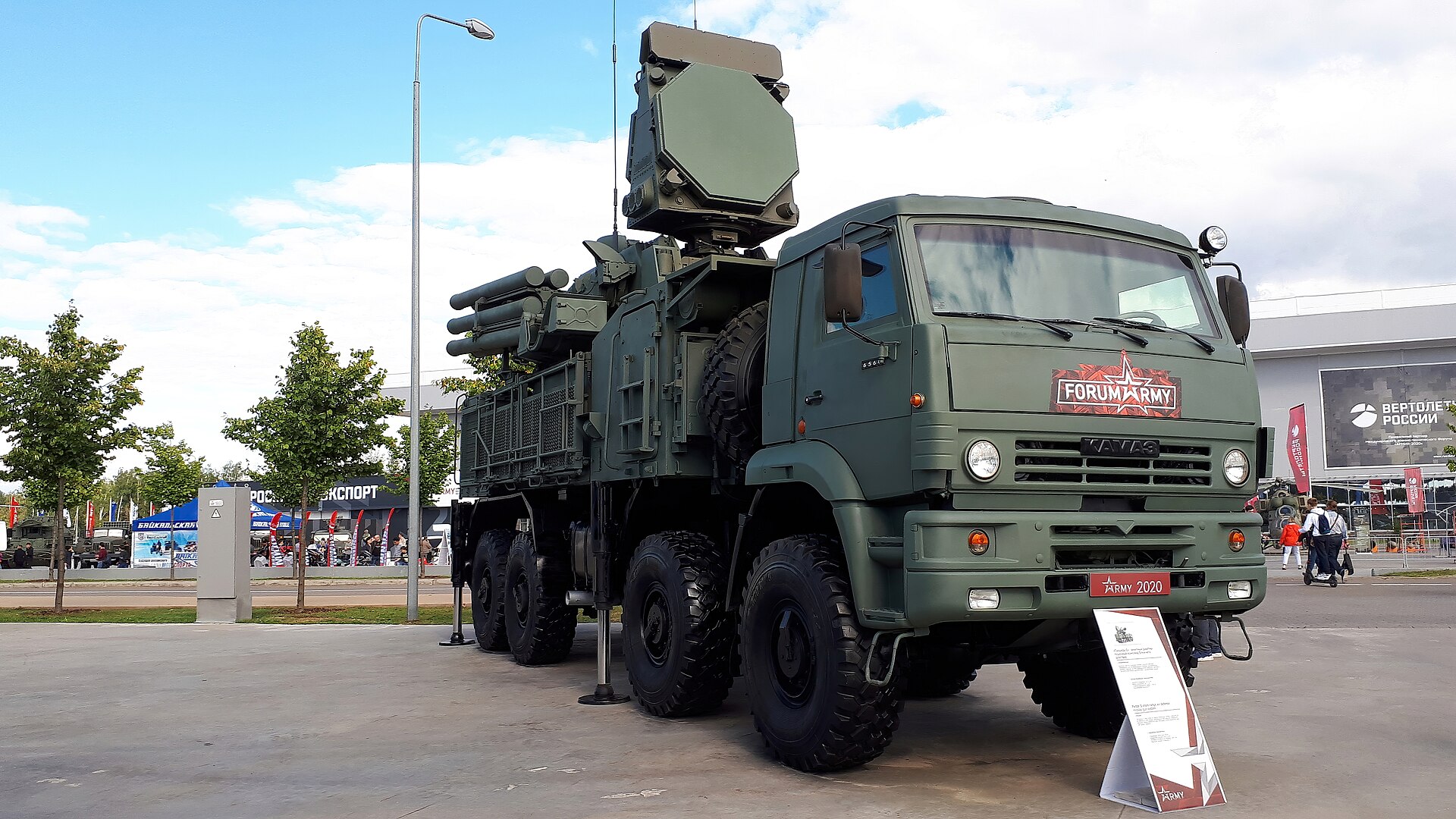
The United States has approved the sale of 500 Patriot interceptor missiles to Ukraine in a deal worth about $2.1 billion, significantly strengthening Kyiv’s ability to defend its cities and infrastructure against Russian ballistic missile attacks. The American-made interceptors are widely regarded as the only effective weapon Ukraine has for downing Russia’s fastest missiles. Our world news section continues to track the war and the diplomacy surrounding it.
Why the Patriot System Matters So Much
Patriot batteries have become the backbone of Ukraine’s air defence around key cities and energy facilities. The interceptors can engage ballistic missiles in their terminal phase, a capability few other systems in Ukraine’s inventory can match. Military analysts say each additional missile matters because Russia has repeatedly targeted power stations and heating infrastructure ahead of winter.
Ukrainian officials have long argued that air defence is their single most urgent military need, above almost every other category of weaponry. With winter approaching and the power grid a prime target, Kyiv has pressed Western partners to accelerate deliveries of both launchers and the expensive missiles they fire.
Diplomacy Running Alongside the Deliveries
The approval comes amid an unusually fluid diplomatic moment. In recent days, hundreds of residents were evacuated from Russian-occupied Oleshky during a rare local ceasefire, an arrangement reported to have involved high-level contacts between Washington and Moscow. Such pauses remain exceptional, but they hint at channels that both sides keep open even as fighting continues elsewhere.
European governments, meanwhile, continue to debate how far to go in using frozen Russian assets to fund Ukraine’s defence, a proposal championed by several former and current finance officials. Reporting from the BBC’s world desk outlines how the package fits into the wider Western effort to sustain Kyiv’s defences.
What Happens Next
The sale still requires the usual notification and contracting steps before missiles are produced and shipped, and deliveries of complex interceptors typically take months rather than weeks. Even so, the announcement sends a clear signal about continued American backing at a time when Ukraine’s stockpiles have been under strain.
For Ukrainian commanders, the priority will be positioning the additional interceptors around the capital and the most frequently targeted energy hubs. Whether the new supply arrives before the worst of the winter strike campaign will be a central question in the weeks ahead.
The Patriot deal underlines a familiar pattern in this war: diplomacy and arms supplies moving in parallel, each shaping the other. For the civilians living under the threat of nightly missile alerts, the practical measure of the package will be simple — how many incoming missiles are stopped before they reach their targets.
