

In today’s digital business environment, companies are constantly searching for ways to improve efficiency, customer engagement, and operational performance. Technology continues to transform how organizations interact with customers, manage assets, and streamline workflows. Among the innovations gaining significant attention is the bluetooth beacon. This small yet powerful device is helping businesses create smarter operations through location-based services, real-time tracking, and personalized customer experiences.
A bluetooth beacon is a wireless transmitter that uses Bluetooth Low Energy (BLE) technology to send signals to nearby devices. These signals can trigger actions, provide information, and collect valuable data. From retail stores and hospitals to warehouses and airports, organizations are using beacon technology to optimize processes and improve decision-making.
As businesses continue embracing digital transformation, bluetooth beacon solutions are becoming a practical tool for enhancing operational efficiency. Their affordability, ease of deployment, and versatility make them suitable for a wide range of industries. Understanding why businesses are adopting these solutions can help organizations identify opportunities to improve productivity and customer satisfaction.
How Bluetooth Beacon Technology Works in Modern Business Environments
A bluetooth beacon operates by transmitting a unique signal at regular intervals. Smartphones, tablets, wearable devices, and other Bluetooth-enabled equipment can detect these signals when they come within range. Once detected, software applications can interpret the information and perform specific actions based on location and proximity.
Unlike GPS, which works best outdoors, beacon technology is highly effective indoors. This capability allows businesses to create precise indoor positioning systems where traditional navigation methods may not work efficiently. The technology can identify where customers, employees, or assets are located within a building and provide relevant information instantly.
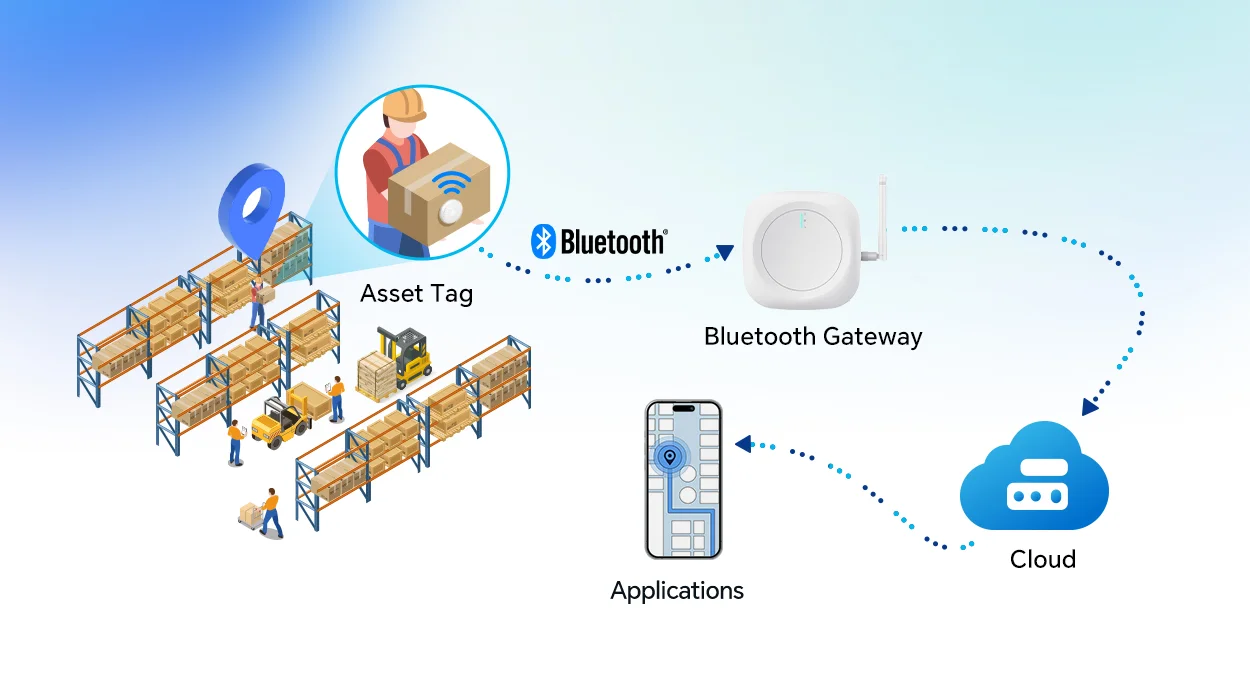
For example, a retail store can use proximity marketing to send promotional offers when customers enter specific departments. Similarly, a warehouse can track inventory movement in real time. Healthcare facilities can monitor medical equipment locations, reducing the time staff spend searching for essential tools.
The simplicity of installation also contributes to widespread adoption. Beacons are compact, energy-efficient, and require minimal maintenance. Many devices can operate for years on a single battery, making them a cost-effective solution for businesses of all sizes.
Another advantage is compatibility. Most modern smartphones support Bluetooth Low Energy, allowing organizations to reach users without requiring specialized hardware. This accessibility helps companies implement location-based services with relatively low investment while achieving measurable operational improvements.
Improving Customer Experience Through Personalized Engagement
Customer expectations have evolved significantly in recent years. People now expect personalized experiences that are relevant, convenient, and timely. Businesses are turning to bluetooth beacon technology to meet these expectations while strengthening customer relationships.
When customers enter a location, beacon-enabled applications can recognize their presence and deliver customized content based on preferences, purchase history, or current location. This level of personalization helps businesses create more meaningful interactions that increase engagement and loyalty.
In retail environments, beacons can guide shoppers to products, provide product information, and offer targeted discounts. Instead of receiving generic advertisements, customers receive recommendations that match their interests. This approach can improve satisfaction while encouraging purchases.
Hospitality businesses also benefit from beacon-powered experiences. Hotels can streamline guest check-in processes, provide navigation assistance, and deliver personalized service notifications. Event organizers can use indoor navigation tools to help attendees locate sessions, booths, or facilities quickly.
Museums and tourist attractions use proximity-based communication to enhance visitor experiences. Guests can receive detailed information about exhibits automatically as they move through different areas. This interactive approach increases engagement and creates memorable experiences.
Customer analytics is another valuable benefit. Businesses can gain insights into visitor behavior, movement patterns, and engagement levels. These insights help organizations refine marketing strategies, optimize store layouts, and improve service delivery.
As competition increases across industries, delivering exceptional customer experiences has become essential. bluetooth beacon solutions provide businesses with an effective way to connect with customers at the right place and time, creating stronger relationships and encouraging repeat visits.
Enhancing Operational Efficiency and Asset Management
Operational efficiency remains a top priority for organizations seeking sustainable growth. One of the primary reasons businesses are adopting bluetooth beacon systems is their ability to improve visibility and control over assets, equipment, and workflows.
Asset tracking is particularly valuable in industries where equipment mobility is common. Hospitals, manufacturing facilities, warehouses, and logistics companies often manage thousands of valuable assets across large spaces. Locating equipment quickly can significantly reduce downtime and improve productivity.
Beacon-enabled tracking systems allow organizations to monitor asset locations in real time. Employees can instantly identify where equipment is located, reducing time spent searching and increasing operational efficiency. This visibility also helps prevent loss, theft, and unauthorized movement.
Workforce management is another area where beacon technology delivers benefits. Businesses can monitor employee movement patterns, attendance, and workflow efficiency. These insights help managers identify bottlenecks, optimize staffing levels, and improve resource allocation.
In manufacturing environments, bluetooth beacon solutions support smart factory initiatives by enabling real-time monitoring of production activities. Equipment utilization, workflow progression, and operational performance can be tracked more accurately, helping organizations make informed decisions.
Inventory management also becomes more efficient with beacon technology. Businesses can monitor stock movement throughout facilities and maintain better inventory accuracy. This capability reduces errors, minimizes shortages, and improves supply chain performance.
The data generated through beacon networks provides valuable operational intelligence. Organizations can analyze patterns, identify inefficiencies, and implement improvements based on real-world insights. This data-driven approach supports continuous optimization and helps businesses remain competitive in rapidly changing markets.
Supporting Smart Buildings and Workplace Innovation
The rise of smart buildings has accelerated interest in bluetooth beacon technology. Organizations are increasingly integrating connected systems to improve workplace functionality, energy efficiency, and employee experiences.
Smart offices use beacon solutions to automate various workplace processes. Employees can receive room availability updates, navigate office spaces, and access workplace resources more efficiently. Automated check-ins and desk management systems can simplify daily operations while improving workplace flexibility.
Meeting room management is another practical application. Beacons can detect occupancy levels and provide real-time availability information. This functionality reduces scheduling conflicts and ensures more effective use of office resources.
Energy management systems also benefit from location-based technology. Smart buildings can adjust lighting, heating, and cooling settings based on occupancy data collected through beacon networks. These adjustments help reduce energy consumption while maintaining comfort for occupants.
Security and access control can be enhanced as well. Businesses can use beacon technology alongside existing security systems to verify authorized access and monitor movement within facilities. This additional layer of visibility improves workplace safety and operational oversight.
Large corporate campuses often face challenges related to navigation and visitor management. Beacon-powered indoor positioning systems help employees and visitors find destinations quickly, reducing confusion and improving overall experiences.
As hybrid work models continue evolving, organizations need flexible technologies that support changing workplace requirements. Bluetooth beacon solutions provide scalable options for creating connected environments that improve efficiency, collaboration, and employee satisfaction.
The integration of beacon technology with Internet of Things (IoT) systems further expands possibilities for smart workplaces. Connected devices can communicate and respond to location data automatically, creating intelligent environments that adapt to user needs.
The Future of Bluetooth Beacon Adoption Across Industries
The future of bluetooth beacon technology looks promising as businesses continue investing in digital transformation initiatives. Advances in connectivity, analytics, artificial intelligence, and IoT integration are expanding the potential applications of beacon-based solutions.
Retail remains one of the strongest markets for beacon adoption, but other industries are rapidly increasing implementation efforts. Healthcare organizations are using location intelligence to improve patient care and operational efficiency. Transportation hubs are enhancing navigation and passenger experiences. Educational institutions are exploring new ways to support campus management and student engagement.
Artificial intelligence is expected to enhance the value of beacon-generated data. Machine learning algorithms can analyze location patterns, predict behaviors, and provide actionable recommendations. This combination of technologies will help organizations make smarter decisions and improve operational outcomes.
The growth of smart cities also creates opportunities for beacon deployment. Public transportation systems, municipal facilities, and urban infrastructure can benefit from location-aware services that improve efficiency and user experiences. Citizens may receive more personalized and relevant information while navigating public spaces.
Privacy and data security remain important considerations. Businesses adopting beacon solutions must implement transparent data practices and comply with relevant regulations. Organizations that prioritize responsible data management can build trust while maximizing the benefits of location-based technology.
As Bluetooth Low Energy standards continue advancing, beacon devices are becoming more powerful, reliable, and energy-efficient. These improvements will likely drive broader adoption across industries seeking cost-effective solutions for smart operations.
Organizations that embrace innovative technologies often gain advantages in efficiency, customer satisfaction, and competitive positioning. Bluetooth beacon systems offer practical tools for achieving these goals while supporting long-term digital transformation strategies.
Conclusion
Businesses across multiple industries are adopting bluetooth beacon solutions because they offer a practical way to improve customer engagement, operational efficiency, asset management, and workplace innovation. By leveraging Bluetooth Low Energy technology, organizations can create location-aware environments that deliver real-time insights and personalized experiences.
As digital transformation continues reshaping modern business operations, beacon technology is becoming an important component of smart infrastructure strategies. Its ability to provide accurate indoor positioning, support data-driven decision-making, and integrate with emerging technologies makes it a valuable investment for organizations seeking greater efficiency and competitiveness. Companies that embrace bluetooth beacon solutions today are positioning themselves to meet the demands of a more connected and intelligent future.
