

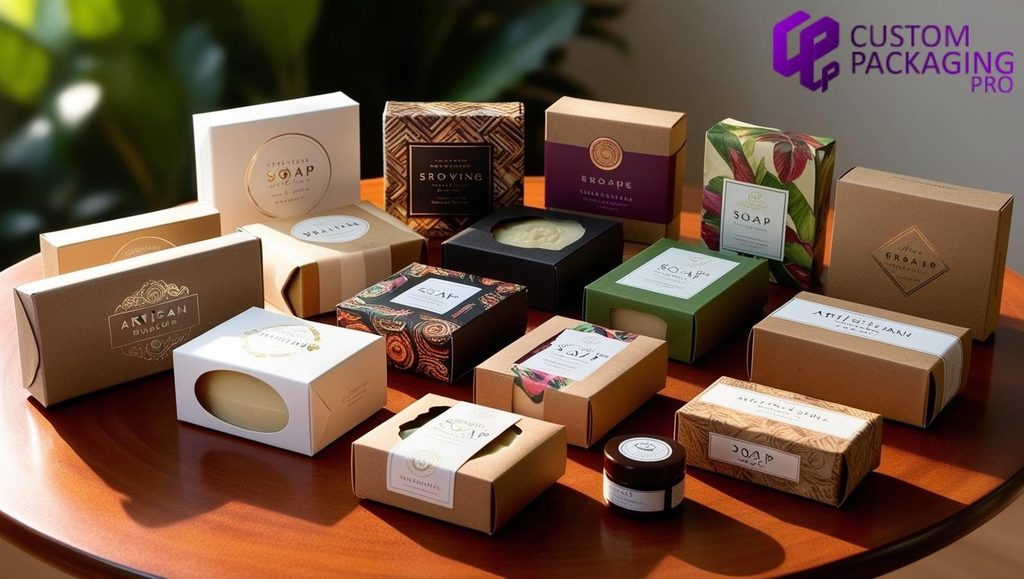
A customer shopping for soap rarely evaluates ingredients alone. They notice the shape of the bar, its fragrance, the brand story, and increasingly, the way the product is packaged. For handmade soap makers, skincare companies, boutique retailers, and established beauty brands, custom soap packaging has therefore become part of the product experience rather than something added at the end of production.
The challenge is finding the right balance. Soap needs enough protection to remain clean and presentable, but excessive packaging can work against brands built around natural ingredients and environmental responsibility. At the same time, packaging must provide enough space for branding and useful product information.
That is why modern soap brands are moving beyond generic cartons. From full Soap Packaging Boxes to minimalist sleeves and wrappers, packaging can be designed around the product, audience, and way the soap will actually be sold.
Start With the Kind of Soap Being Sold
There is no universal package that works equally well for every soap.
A handmade cold-process bar sold at a craft market has different requirements from a premium facial cleansing bar displayed in a beauty store. Gift soaps need a stronger presentation, while ecommerce products may require additional protection during delivery.
Before selecting a soap box, brands should consider the characteristics of the product itself. Is the bar rectangular, round, or irregularly shaped? Does it have a textured surface? Is the product sold individually or as part of a set? Will customers see it on a shelf or receive it through the mail?
These questions determine whether the brand needs a complete carton, sleeve, wrapper, window box, or another structure.
Developing packaging around the product is usually more effective than choosing a standard box and trying to make the soap fit afterward.
Full Boxes, Sleeves, or Wrappers: Which Format Makes Sense?
One of the biggest decisions in Soap Packaging is how much of the product should be enclosed.
- Soap Packaging Boxes
Fully enclosed boxes provide generous printable space and help protect the bar from direct handling. They work particularly well for retail stores, gift products, premium skincare ranges, and ecommerce brands that want a polished presentation.
- Soap Sleeve Packaging
Soap Sleeve Packaging takes a more minimal approach. A sleeve wraps around part of the soap while leaving sections of the bar visible.
This can work especially well for handmade soaps because customers can immediately see the product’s texture and color. Soap Sleeves also provide space for a logo, fragrance name, ingredients, and other essential details without completely hiding the bar.
- Soap Wrappers
Soap Wrappers and paper-based soap wraps can create an artisanal appearance while using relatively little material. They can suit small-batch products, market stalls, gift collections, and brands with a handcrafted identity.
The right choice depends on the level of protection, branding space, product visibility, and presentation the business needs.
The Best Package Fits the Bar, Not Just the Brand
An attractive package loses much of its value if the soap moves around inside it.
Using custom sizes allows a business to develop packaging around the actual dimensions of each bar. A closer fit can improve presentation, reduce unnecessary empty space, and help keep the product in position during handling.
This becomes particularly useful when a company sells several products. A facial bar may be thinner than a body soap, while an exfoliating bar might have a completely different shape.
Rather than placing all of them into one oversized carton, brands can create related structures that maintain the same visual identity while fitting each product more appropriately.
A thoughtful fit can make even simple packaging feel more intentional.
Natural Soap Brands Need Packaging That Supports Their Story
Many soap companies build their identity around botanical ingredients, handmade production, vegan formulas, or environmentally conscious values. Packaging that feels excessive or visually disconnected from that message can create inconsistency.
This is one reason Kraft Soap Boxes remain relevant.
The natural texture of kraft material can complement handmade, herbal, and organic-inspired products without requiring complicated graphics. A restrained print design can make the packaging feel intentional while leaving the material itself visible.
For businesses considering Kraft or Eco Packaging, material choice should be only one part of the decision. Box dimensions, coatings, printing, structural complexity, and the amount of material used also affect the overall packaging approach.
An eco friendly design works best when sustainability is considered from the beginning rather than added as a marketing phrase afterward.
Good Soap Packaging Helps Customers Make Decisions
A package has limited space, particularly when the soap itself is small. Every printed element should therefore have a purpose.
Depending on the product and applicable labeling requirements, packaging may need room for information such as:
- Product or fragrance name
- Brand logo
- Ingredient information
- Net quantity
- Usage or care guidance
- Business details
- Barcode
- Batch information
- Relevant product statements
The hierarchy matters.
A shopper should be able to identify the brand and soap variety quickly without searching through crowded graphics. Supporting information can then appear on secondary panels or the back.
This is where custom printed packaging becomes useful. Instead of applying generic labels to standard boxes, businesses can integrate information into a consistent design that feels like part of the product.
Packaging Design Can Separate Similar Soap Products
Soap brands frequently sell multiple fragrances or formulations using bars with nearly identical shapes. Without clear packaging differences, customers can struggle to distinguish them.
A consistent design system can solve this without making every product look unrelated.
For example, the position of the brand logo, typography, and box structure can remain consistent while illustrations, patterns, or selected visual details change between variants. This creates a recognizable product family while making individual soaps easier to identify.
High-quality digitally printed packaging can be especially useful for brands that regularly introduce seasonal varieties or smaller product runs. It provides flexibility for changing artwork without abandoning the broader brand identity.
The goal is not simply to make the box attractive. It is to make the product range easier to understand.
Handmade Soap and Luxury Soap Should Not Look the Same
The packaging experience should match customer expectations.
A handcrafted soap sold at a farmers’ market may benefit from simple kraft material, a sleeve, and restrained printing. That presentation reinforces authenticity and keeps attention on the bar itself.
A luxury skincare soap sold in a boutique may need a more structured carton, carefully selected finishes, and a controlled opening experience. Gift collections may require inserts or multiple compartments to present several bars together.
Neither approach is automatically superior.
Effective custom soap boxes reflect the market position of the product. Adding expensive finishes to a deliberately rustic soap can feel unnecessary, while placing a premium skincare bar inside generic packaging can reduce its perceived value.
Packaging works best when it communicates the same story as the product.
Ecommerce Changes What Soap Packaging Needs to Do
A package designed for a store shelf experiences relatively controlled handling. An ecommerce order does not.
Products sold online move through fulfillment centers, shipping cartons, sorting systems, and delivery networks before reaching customers. The retail package must therefore be considered as part of a larger shipping system.
A well-fitted soap carton can reduce movement, but the outer shipping package still needs to protect the product from crushing and other transit conditions.
For multi-product orders, brands can also think about how several soap boxes fit together. Efficient dimensions can reduce unused space and create a cleaner unboxing experience.
The customer’s first physical interaction with an online soap brand often happens when the parcel is opened, making packaging particularly influential for ecommerce businesses.
Avoid Adding Features That Do Not Improve the Product
Customization offers a wide range of packaging options, but more features do not necessarily produce better packaging.
Windows, foil, embossing, coatings, sleeves, inserts, and specialty structures can all be useful when they support a specific purpose. Adding them simply because they are available can increase complexity without improving the customer experience.
Before choosing a feature, ask what it contributes.
Does a window help customers evaluate the handmade bar? Does an insert protect a gift set? Does a premium finish support the product’s positioning? Does a particular coating interfere with the brand’s sustainability goals?
Strong packaging design is often about removing unnecessary elements as much as adding new ones.
Think About Production Before Finalizing the Design
A packaging concept must also work operationally.
Businesses should consider order quantities, assembly requirements, storage space, production schedules, and expected turnaround time before committing to a structure. A complicated box that takes too long to assemble may create unnecessary work for a growing handmade business.
Likewise, seasonal launches should account for production and delivery business days rather than leaving packaging until the product is ready to sell.
For growing brands, choosing scalable packaging solutions can make it easier to add fragrances, sizes, and gift collections later without rebuilding the entire packaging system.
The strongest design is one that works both creatively and practically.
Creating Custom Soap Packaging With Custom Packaging Pro
Custom Packaging Pro develops custom soap packaging for handmade soap businesses, skincare brands, retailers, gift collections, and growing ecommerce companies. Businesses can choose from Soap Packaging Boxes, Kraft Soap Boxes, Soap Sleeve Packaging, printed sleeves, wrappers, and other structures developed around individual product dimensions and branding requirements.
For brands looking to expand beyond generic packaging boxes, Custom Packaging Pro provides custom boxes with logo, tailored custom retail packaging boxes, and scalable custom wholesale packaging options. Working with an experienced custom packaging supplier allows businesses to coordinate structure, printing, sizing, and presentation so the final package supports both the soap and the brand behind it.
FAQs
- What is custom soap packaging?
Custom soap packaging is packaging designed specifically around a soap product’s dimensions, branding, protection requirements, and sales environment. It can include full boxes, sleeves, wrappers, kraft cartons, and gift packaging.
- Are soap sleeves better than full soap boxes?
Neither format is universally better. Soap sleeves provide a minimal presentation and greater product visibility, while full boxes offer more coverage, protection, and printable space. The right choice depends on the product and how it will be sold.
- Why are Kraft soap boxes popular for handmade products?
Kraft boxes have a natural visual character that works well with handmade, botanical, and sustainability-focused branding. They can also provide useful protection while supporting relatively simple printed designs.
- Can soap packaging be made in custom sizes?
Yes. Custom sizing allows packaging to follow the dimensions of individual soap bars, helping reduce excess space and creating a more intentional presentation.
- Can custom soap boxes include a brand logo and product details?
Yes. Printed soap packaging can include a logo, product name, ingredients, usage information, barcodes, graphics, and other appropriate details required for branding or product communication.
