

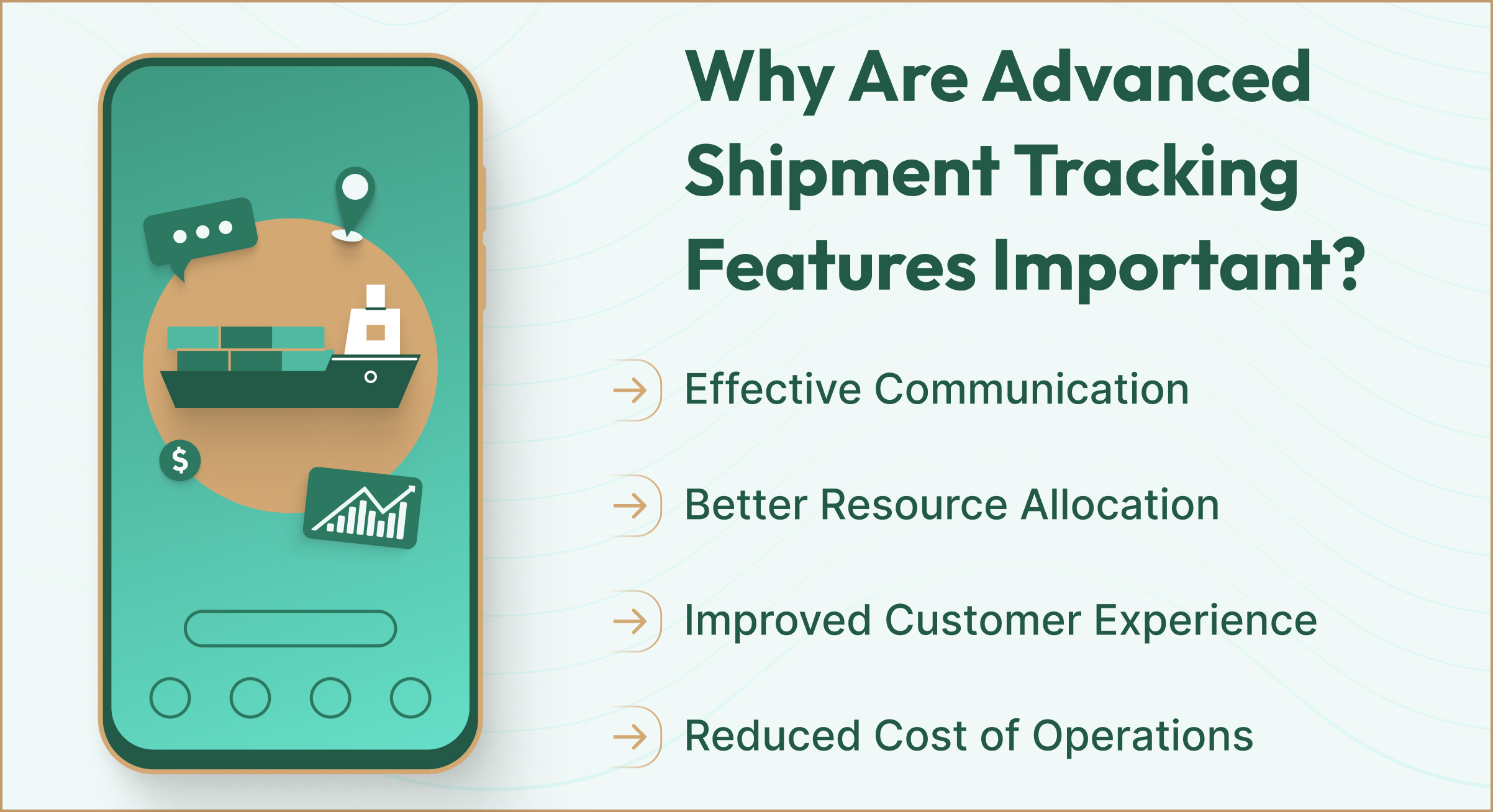
Have you ever wondered how businesses can keep up with the increasing demands of global trade? Traditional shipment tracking simply isn’t enough anymore. The need for real-time visibility across the entire supply chain is more critical than ever.
So, what’s the solution? How can companies stay competitive, improve operational efficiency, and enhance customer satisfaction? This blog will explore why businesses can no longer afford to rely on outdated tracking systems and how modern solutions like InstaTrac by Frayto offer a more resilient, efficient approach to logistics management.
The Limitations of Traditional Shipment Tracking
Traditional shipment tracking systems are obsolete. In a world where goods cross continents, change modes of transportation, and navigate complex international logistics, old-school tracking just doesn’t cut it anymore.
Typically, these systems were either manual or semi-automated, relying on updates at fixed checkpoints along the journey. While this might have worked decades ago, today’s fast-paced logistics environment demands more. Here are the limitations it presents:
- Manual Updates and Delayed Information: Traditional systems rely heavily on manual updates at specific checkpoints, leading to delayed information and missed opportunities for timely action.
- Visibility Gaps Between Checkpoints: The lack of end-to-end visibility creates blind spots, leaving businesses unaware of what’s happening during transit, often resulting in delays and lost shipments.
- Fragmented Communication: Multiple stakeholders use different systems to track shipments, leading to fragmented communication. This causes confusion, missed updates, and delays, affecting efficiency.
- Higher Costs Due to Detention and Demurrage: Without proactive tracking alerts, businesses risk paying detention and demurrage fees for shipments that exceed the allotted time at ports or terminals.
- Inability to Track Condition in Real-Time: Traditional systems don’t offer real-time condition tracking, putting sensitive goods at risk of spoilage or damage, especially in industries like pharmaceuticals or food.
- Limited Scalability Across Complex Supply Chains: As supply chains grow more complex, traditional tracking struggles to scale across multiple carriers and forwarders, resulting in inefficient and fragmented operations.
- Human Error and Data Entry Issues: Manual data entry in traditional systems introduces a risk of human error, which can lead to inaccuracies in shipment details, misrouted goods, or delayed deliveries.
Companies can no longer afford these gaps as global supply chains become more complex. Businesses need real-time tracking solutions to stay competitive and efficient.
The Need for Real-Time Shipment Tracking
Supply chains are increasingly interconnected, with shipments moving across different countries, carriers, and continents. When disruptions occur—be it due to weather events, political instability, or unforeseen delays—having up-to-date data at your fingertips allows you to respond quickly and effectively.
This is where real-time shipment tracking provided by top-notch solutions like Frayto plays a crucial role. Here’s how it helps:
- Managing Complex Global Supply Chains: Modern supply chains involve multiple carriers, modes of transport, and regions. Real-time tracking ensures complete visibility, helping businesses coordinate better across the entire network.
- Meeting High Customer Expectations: Customers expect immediacy and accuracy. Real-time tracking enables businesses to meet these expectations by providing up-to-date delivery information, improving trust, and customer satisfaction.
- Mitigating Risks and Disruptions: With real-time data, businesses can respond quickly to delays, reroute shipments, and avoid costly mistakes before they impact operations or customer experience.
- Optimizing Resource Allocation: Real-time tracking enables businesses to optimize routes and schedules, reducing fuel consumption, vehicle wear, and unnecessary delays, improving operational efficiency.
- Increased Transparency for Stakeholders: By offering complete transparency, real-time tracking fosters better communication between internal teams, customers, and suppliers, helping to align expectations and timelines.
- Faster Response to Customer Queries: With real-time tracking, businesses can instantly provide accurate updates to customers, reducing the frustration that often comes from delays and outdated information.
Real-time tracking helps businesses proactively manage their shipments, anticipate issues, and solve problems before they arise.
Advanced Traceability: The Game-Changer for Shipment Tracking
The era of relying on periodic updates is over. Advanced traceability technologies, such as IoT, AI, and cloud-based platforms, are revolutionizing the way businesses track shipments. These technologies provide an autonomous, continuous data stream, giving businesses an accurate, up-to-the-minute view of their operations. Let’s explore how:
- Continuous Data Transmission via IoT: With IoT sensors, goods autonomously transmit real-time data, eliminating the need for manual updates. This offers businesses uninterrupted visibility throughout the entire journey.
- End-to-End Tracking Across the Supply Chain: Advanced traceability ensures visibility from the point of origin to final delivery, offering businesses complete control over their supply chain operations.
- Real-Time Condition Monitoring: Businesses can track temperature, humidity, and condition data in real-time, ensuring sensitive goods are always stored and transported under optimal conditions.
- AI-Powered Insights and Predictions: AI-driven systems analyze data in real time, providing actionable insights and predicting potential disruptions, so businesses can make smarter decisions to avoid issues.
- Blockchain Technology for Security and Transparency: Using blockchain, businesses ensure secure data sharing and product authenticity, allowing full traceability of shipments, which is particularly important for high-value goods.
- Instant Alerts on Delays or Issues: With real-time alerts, businesses can act instantly on issues like missed deliveries, potential delays, or customs holds, minimizing disruption and improving operational response times.
Advanced traceability gives businesses the tools they need to ensure smoother, more resilient operations—no more blind spots or missed opportunities.
The Cost of Ignoring Real-Time Shipment Tracking
Choosing not to upgrade to real-time tracking is a high-risk decision. The cost of sticking with traditional methods—whether it’s missed deadlines, increased operational costs, or declining customer satisfaction—can add up quickly. Let’s see what’s at risk here:
- Customer Trust at Risk: As global supply chains grow more complex, customers expect real-time information. Without it, businesses risk losing trust and brand loyalty.
- Wasted Resources: Traditional tracking leaves businesses reacting instead of proactively managing their logistics. This results in wasted resources, unnecessary delays, and higher costs.
- Missed Opportunities: With real-time tracking, businesses can gain insights that lead to better route optimization, smarter scheduling, and ultimately a more profitable operation. Not adopting real-time tracking means businesses are leaving money on the table.
For businesses still relying on traditional methods, the cost of inaction could be substantial, both in terms of money and customer loyalty.
How InstaTrac Transforms Shipment Tracking
InstaTrac, Frayto’s advanced tracking solution, takes traditional shipment tracking to the next level. Designed with exporters and importers in mind, InstaTrac offers a more efficient, transparent, and cost-effective way to manage logistics.
- Multi-Carrier, Multi-Forwarder Tracking in One Place: With InstaTrac, businesses can manage shipments across 140+ carriers and freight forwarders on a single platform, eliminating the need to jump between multiple tracking systems.
- Real-Time Alerts and Notifications: InstaTrac provides instant notifications on potential issues like missed schedules, vessel changes, or approaching detention thresholds, so businesses can quickly mitigate costs.
- Seamless Document Management: With InstaTrac, users can access shipment documents in under 3 seconds, streamlining processes and making sharing important information with stakeholders easier.
- Enhanced Communication: Built-in messaging functionality enables businesses to exchange shipment-specific messages with their teams or customers, reducing the need for emails or phone calls and keeping everyone on the same page.
InstaTrac enables businesses to operate smarter by providing real-time visibility and better control over logistics. It’s an essential tool for any business looking to stay competitive in the modern supply chain landscape.
Conclusion: Embracing the Future with InstaTrac
The traditional approach to shipment tracking is no longer adequate in today’s fast-moving, complex logistics environment. Companies that continue to rely on outdated systems are bound to face delays, operational inefficiencies, and unhappy customers. The need for real-time tracking has never been greater.
With InstaTrac, businesses can transform their logistics operations, ensuring complete visibility, proactive issue resolution, and enhanced customer satisfaction. As global supply chains become more intricate, real-time tracking is essential for companies to remain competitive, resilient, and future-proof.
Take the first step towards more efficient, transparent, and cost-effective logistics. Schedule your personalized demo with InstaTrac and see firsthand how it can revolutionize your supply chain operations.
