

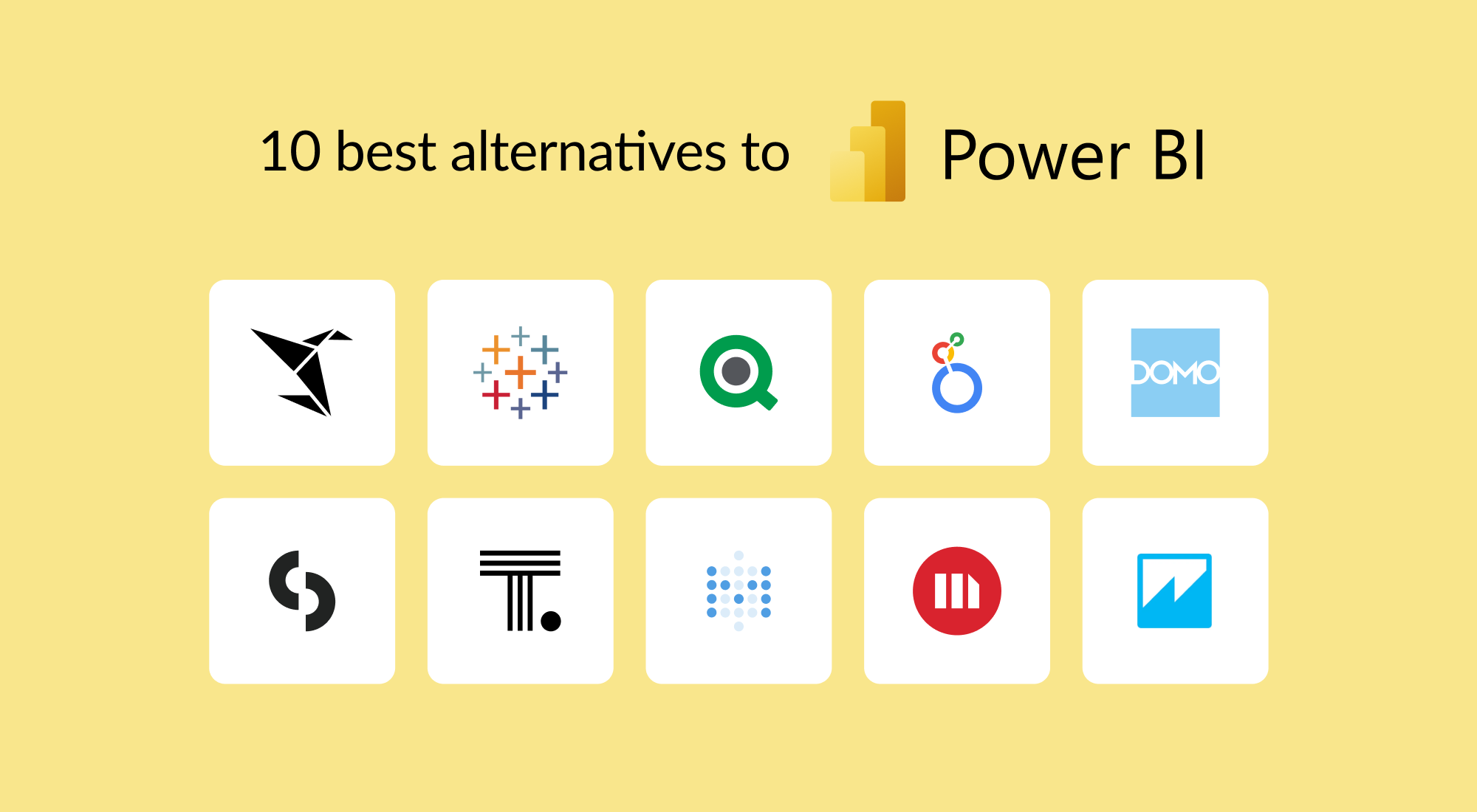
The blog post “10 Best Alternatives to Looker” on Sigma Computing’s website explores a range of business intelligence (BI) tools that offer competitive features compared to Looker. While Looker has been a favored BI tool for many businesses, it does come with certain limitations. The article addresses these drawbacks, including limited customization flexibility, high costs, complexity in use, integration challenges, and performance issues. It suggests ten Looker competitors that may better suit diverse business needs.
- Sigma Computing: Sigma is lauded for its intuitive interface and collaborative solid features. It directly integrates with cloud data warehouses, enabling users to explore and analyze data without extensive SQL knowledge. Sigma’s real-time data interaction and robust visualization tools make it a strong contender for businesses needing agility and deep data insights.
- Microsoft Power BI: Power BI is a widely used tool that integrates seamlessly with other Microsoft products. It’s known for its affordability and extensive data visualization capabilities. Power BI offers a comprehensive set of features that cater to novice and advanced users, making it a versatile option for businesses of all sizes. Its strong community support and regular updates add to its appeal.
- Tableau: Tableau is renowned for its powerful data visualization features and user-friendly interface. It allows users to create complex and interactive dashboards with ease. Tableau’s strength lies in its ability to handle large datasets and provide insightful visual analytics, making it a preferred choice for businesses seeking deep insights from their data.
- Qlik Sense: Qlik Sense is praised for its associative data model, which allows users to explore data from various perspectives. Its self-service capabilities enable users to create their own dashboards and reports without relying heavily on IT support. Qlik Sense’s ability to integrate data from multiple sources makes it a robust tool for comprehensive data analysis.
- Domo: Domo provides a comprehensive suite of tools for data visualization and business management. It integrates with a wide range of data sources and offers features like real-time data monitoring, customizable dashboards, and extensive collaboration tools. Domo’s user-friendly interface and powerful analytics capabilities make it a solid choice for businesses looking to enhance their data-driven decision-making processes.
- Sisense: Sisense is known for its ability to handle complex data analysis with embedded analytics. Its flexible architecture allows for customization and scalability, making it suitable for businesses with diverse data needs. Sisense’s focus on delivering insights through embedded analytics and its ability to integrate with various data sources make it a strong alternative to Looker.
- ThoughtSpot/Mode: ThoughtSpot is appreciated for its search-driven analytics, enabling users to query data using natural language. This makes data exploration more accessible to non-technical users. Mode, on the other hand, is known for its data exploration and analysis capabilities. It combines SQL, Python, and R in one platform, making it a powerful tool for advanced data analysis and visualization.
- Metabase: Metabase is an open-source BI tool that is free and easy to use. It’s ideal for startups and small businesses that need basic BI capabilities without a hefty price tag. Metabase’s simplicity and ease of deployment make it a good option for businesses just starting with data analytics.
- MicroStrategy: MicroStrategy is known for its enterprise-grade features and advanced analytics capabilities. It offers a wide range of tools for data visualization, reporting, and analytics. MicroStrategy’s ability to handle large datasets and its robust security features make it a suitable choice for large enterprises with complex data needs.
- AWS QuickSight: AWS QuickSight provides seamless integration with other AWS services, making it a natural choice for businesses already using Amazon’s cloud infrastructure. It offers scalable analytics and a pay-per-session pricing model, making it cost-effective for businesses with varying analytics needs. QuickSight’s ability to handle big data and its robust machine learning capabilities add to its appeal.
The article aims to help businesses identify the best BI tool that aligns with their specific operational needs and goals. Each alternative is evaluated for its unique strengths, such as advanced analytics, robust security, scalability, and custom reporting capabilities, ensuring that businesses can make informed decisions when choosing their BI solution.
You can read the full article 10 Best Alternatives to Looker in 2024 for further details.
