

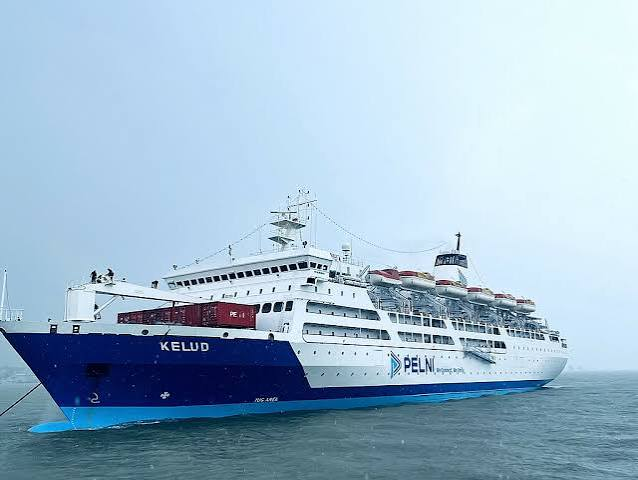
Alt text: A large inter-island passenger and vehicle ferry preparing to depart from a busy harbor in Indonesia.
Indonesia is one of the world’s largest archipelagos, with thousands of islands connected by passenger ferries, vehicle ferries, and fast boats. While domestic flights are convenient for long-distance travel, ferries remain an important part of Indonesia’s transport network, helping travellers move between islands for holidays, business trips, and family visits.
From short strait crossings between Java and Sumatra to boat journeys around Bali and Lombok, sea travel offers a practical way to explore Indonesia’s coastal destinations. Depending on the route, passengers can choose from conventional ferries, high-speed boats, or larger ships designed for longer voyages.
Whether you are planning an island-hopping holiday, travelling with a vehicle, or arranging an inter-island journey, this guide explains Indonesia’s major ferry connections, what to consider when choosing a service, and how to prepare for a smoother trip.
Key Ferry Routes Across Indonesia
Indonesia’s ferry network includes short-distance crossings, regional passenger services, and longer inter-island voyages. The right option depends on your departure point, destination, travel date, and whether you are travelling on foot or bringing a vehicle.
Java to Sumatra: Merak to Bakauheni
The Merak–Bakauheni crossing connects Java with Sumatra across the Sunda Strait. It is an important corridor for passengers, private vehicles, buses, and freight moving between the islands.
Travellers should check the applicable sailing information, port procedures, and ticket requirements before departure. Vehicle passengers may need to provide additional information during booking, depending on the ferry service.
Java to Bali: Ketapang to Gilimanuk
The Ketapang–Gilimanuk route connects East Java, near Banyuwangi, with western Bali. It is commonly used by travellers continuing overland from Java to Bali.
Actual crossing times and waiting periods can vary according to operating conditions, traffic, and port congestion. If you have a hotel check-in or onward transport reservation, allow additional time for possible delays.
Bali, Lombok, and the Gili Islands
Travellers visiting Bali, Lombok, and the Gili Islands can consider conventional ferries and regional fast-boat services, depending on the intended route.
Departure ports and destinations differ by operator. Before purchasing a ticket, confirm the exact port, arrival location, baggage allowance, and any transfer arrangements included in the fare.
Singapore and Malaysia to Batam or Bintan
International ferry connections link parts of Singapore and Malaysia with destinations in Indonesia’s Riau Islands, including Batam and Bintan. These routes are useful for short breaks, business travel, and regional holidays.
Because these are international journeys, passengers should check passport validity, immigration requirements, terminal details, and any applicable entry conditions before travelling.
Java to Kalimantan and Other Indonesian Islands
Long-distance maritime services connect Java with selected destinations across the Indonesian archipelago, including parts of Kalimantan and Sulawesi. Travel arrangements can differ significantly from short ferry crossings, particularly when the journey involves an overnight or multi-day voyage.
Check the current route, departure date, arrival port, and estimated duration before making accommodation or onward transport arrangements.
To compare available routes and plan your journey, explore Indonesia ferry routes and schedules and check the latest information for your intended trip.
Understanding Indonesia’s Ferry Operators
Different operators specialise in different types of maritime transport. Understanding these differences can help you choose a suitable service, although availability depends on the route and travel date.
PT ASDP Indonesia Ferry
PT ASDP Indonesia Ferry operates important ferry connections in Indonesia, including major passenger and vehicle crossings. Its services are particularly relevant for travellers using routes that support roll-on/roll-off, or Ro-Ro, transport.
Best suited for: Travellers crossing selected straits, including passengers who need to transport motorcycles or cars where vehicle carriage is available.
Always confirm the correct port, vehicle category, ticket requirements, and boarding instructions for your sailing.
PT PELNI
PT PELNI operates passenger ships serving routes across Indonesia. These services are particularly relevant to travellers planning longer sea journeys between major ports and island groups.
Depending on the vessel and route, passenger accommodation may include different seating or cabin arrangements. Facilities, meal arrangements, and travel durations vary, so check the details of the specific voyage.
Best suited for: Travellers considering longer inter-island journeys where a passenger ship is more appropriate than a short-distance ferry.
Private Fast-Boat and International Ferry Operators
Private operators provide regional fast-boat and international ferry services on selected routes. Examples in the wider regional market include Batam Fast, Majestic Fast Ferry, Sindo Ferry, BlueWater Express, and other operators serving particular ports.
Their routes, vessel types, luggage policies, and check-in requirements are not identical. Do not assume that every operator serves every destination or that all services are listed on the same booking platform.
Best suited for: Travellers whose itinerary matches an available regional fast-boat or international ferry connection.
Before choosing an operator, compare the departure location, arrival port, ticket conditions, and any included transfers rather than considering journey duration alone.
Ferry Classes and Onboard Facilities
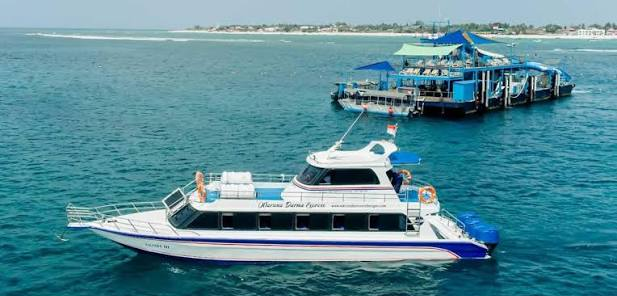
Alt text: Comfortable cabin interior of a passenger ferry showing comfortable seats, air conditioning, and onboard amenities.
Passenger facilities depend on the type of vessel, route, operator, and duration of the journey. Some crossings offer basic seating, while longer voyages may provide additional accommodation options.
Fast-Boat and Express Services
Fast boats are commonly used for selected regional routes and island-hopping journeys. Facilities may include air-conditioned seating and designated luggage areas, but baggage limits and seating arrangements vary.
These services may suit travellers prioritising a direct connection between nearby islands.
Conventional and Ro-Ro Ferries
Conventional ferries can accommodate foot passengers and, on designated services, vehicles. Facilities may include indoor seating and passenger areas, although comfort levels differ by vessel.
Travellers bringing a vehicle should verify the correct vehicle category and any additional requirements before booking.
Economy Accommodation on Longer Voyages
Larger passenger ships may offer economy accommodation or designated sleeping areas on certain routes. These can be suitable for budget-conscious passengers undertaking longer journeys.
Confirm whether bedding, meals, and other facilities are included in the selected fare.
Private Cabins and Premium Accommodation
Some longer-distance passenger services offer upgraded accommodation. Availability and amenities depend on the vessel and route, so travellers should verify whether private cabins or premium classes are offered for their specific departure.
When comparing classes, consider your budget, the journey duration, privacy requirements, and the facilities actually included in the ticket.
How to Book Ferry Tickets in Indonesia Online
Booking online can help travellers review journey details before reaching the port. Depending on the service, it may also help them plan around departure times, passenger requirements, and vehicle arrangements.
Use Easybook’s Indonesia ferry online booking page to explore available ferry options and check whether your intended route is listed.
Step 1: Search for Your Intended Route
Enter the required journey information and travel date where supported. Make sure you have selected the correct departure port and destination.
Step 2: Compare Available Services
Review the available departures, ticket prices, journey details, and service conditions. For longer journeys, consider the arrival time and how it fits with your accommodation or onward transport plans.
Step 3: Confirm Passenger and Vehicle Requirements
Check the information required for each passenger. If travelling with a vehicle, confirm whether the service accepts it and whether a separate vehicle category or additional details are required.
Step 4: Complete Your Booking
Follow the booking platform’s instructions to enter the required details and complete payment through an available method.
Step 5: Keep Your Confirmation Accessible
Save your booking confirmation and review the operator’s boarding instructions. Check whether you need to present a digital ticket, identification, or any additional documents at the terminal.
Booking in advance may provide more choice during busy travel periods, but availability, ticket rules, and booking requirements vary by route and operator.
Essential Tips for a Smooth Ferry Journey
Good preparation can reduce stress at the port and help you manage unexpected changes during your journey.
Arrive at the Port with Enough Time
Check the operator’s recommended check-in time and allow extra time for terminal access, document checks, and boarding. Requirements may differ between short crossings, international ferries, vehicle ferries, and longer passenger voyages.
Do not rely on a single arrival-time recommendation for every route.
Bring the Required Identification
Ensure that your booking details match the identification documents required for your journey. International passengers should check passport and immigration requirements, while domestic travellers should follow the operator’s current identification rules.
Keep essential documents and your ticket confirmation somewhere easily accessible.
Prepare for Motion Sickness
Some passengers experience motion sickness, particularly during rough sea conditions. If you are prone to seasickness, consider discussing suitable remedies with a pharmacist or healthcare professional before travelling and follow the product instructions.
If you take medication, check whether it may cause drowsiness before boarding.
Protect Your Belongings from Water
Water exposure can be a concern when boarding smaller boats or travelling in wet weather. A waterproof bag or protective case can help keep your phone, documents, and other valuables dry.
Follow crew instructions when boarding and moving around the vessel.
Pack Essential Items in Your Hand Luggage
Keep identification, medication, valuables, drinking water where permitted, and other important personal items accessible. Check baggage restrictions before departure, especially for fast boats and international services.
Check Weather and Service Updates
Sea conditions and operational requirements can affect maritime travel. Review the latest departure information before leaving for the port and follow instructions from the operator or terminal staff.
If you have a connecting flight or another time-sensitive booking, leave a reasonable buffer between your ferry arrival and the next part of your itinerary.
Planning an Island-Hopping Trip Around Indonesia
Ferries can form part of a larger itinerary that combines several islands, beaches, cities, and cultural attractions. However, the most convenient route is not always the one with the shortest distance.
Start by identifying your main destinations, then check which ports connect them. Compare the departure times, transfer requirements, and arrival locations before deciding how many destinations to include.
For example, a traveller visiting Bali and Lombok may need to choose between different ports and boat services based on their accommodation and onward transport. Someone travelling from Java to Sumatra may have different requirements if they are bringing a vehicle.
For multi-stage trips, consider these planning priorities:
- Route availability: Confirm that the required service operates on your chosen date.
- Connection time: Leave sufficient time between separate bookings.
- Arrival port: Check how far the port is from your hotel or next destination.
- Baggage rules: Review luggage limits for each operator.
- Travel documents: Check identification and immigration requirements where relevant.
- Contingency plans: Consider how you would adjust your itinerary if weather or operational changes cause delays.
You can use Easybook’s ferry booking page to start reviewing available options and plan your maritime connections where supported.
Frequently Asked Questions About Ferry Travel in Indonesia
How can I book ferry tickets in Indonesia online?
You can visit Easybook’s Indonesia ferry booking page to check available services. Enter your journey details where supported, compare the listed options, and review the applicable booking conditions before completing your purchase.
Which ferry routes connect the major Indonesian islands?
Important routes include Merak–Bakauheni between Java and Sumatra, Ketapang–Gilimanuk between Java and Bali, and selected connections serving Lombok, the Gili Islands, Kalimantan, and other destinations. Availability and booking arrangements vary by route.
Can I bring my car or motorcycle on an Indonesian ferry?
Some ferry services accommodate vehicles, but not every vessel or route offers this option. Check the vehicle categories, ticket requirements, and boarding instructions for your selected service before travelling.
What should I check before booking a ferry?
Confirm the departure and arrival ports, travel date, ticket price, boarding time, baggage rules, identification requirements, and cancellation or rescheduling conditions. For international journeys, check passport and immigration requirements as well.
Should I book ferry tickets in advance?
Booking in advance can be useful during weekends, public holidays, and popular travel periods. However, the booking window and availability depend on the operator and route, so check the current requirements for your intended journey.
Are all Indonesian ferry routes available through Easybook?
Not necessarily. Route coverage and bookable services depend on the platform’s current listings and the operator. Search your intended route and confirm that the service is available before making travel plans.
Conclusion
Ferries are an important part of Indonesia’s transport network, connecting major islands and supporting everything from short strait crossings to longer inter-island journeys. Choosing the right service involves more than comparing prices: travellers should also consider departure ports, journey duration, passenger facilities, baggage requirements, and onward transport.
Whether you are crossing between Java and Sumatra, travelling from Java to Bali, or planning an island-hopping holiday, reviewing the details before departure can help make your trip more organised.
Start planning with Indonesia ferry online booking through Easybook. Compare the available options for your intended route, check the latest booking conditions, and prepare your documents before heading to the port.
