

When you think about estate planning, two documents usually come up first: wills and living trusts. Both are designed to ensure your wishes are carried out and your assets are passed on to the right people. But when comparing a living trust vs will, it’s clear they operate in different ways, with different strengths and weaknesses. Choosing between the two isn’t about finding the “better” one for everyone — it’s about finding the option that best fits your life, family, and financial goals.
What a Will Does
A will — or last will and testament — is the most recognized estate planning tool. It is a legal document that directs how your property should be distributed after you die. In a will, you can:
- Name the beneficiaries of your estate.
- Appoint an executor who will carry out your wishes.
- Choose guardians for your minor children.
A will is relatively simple to create and often less costly than other planning tools. It provides peace of mind knowing that your family has guidance and that the court has a clear document to reference.
But wills come with limitations. The most significant is that they must go through probate. Probate is the legal process where a court validates the will, ensures debts are paid, and authorizes the transfer of property. This process can drag on for months or even years, depending on the complexity of the estate. It can also cost thousands in legal fees and court costs, which reduces the value of the estate passed on to heirs.
Another limitation is lack of privacy. Once filed, a will becomes part of the public record. That means the details of your estate — including what you owned and who received it — are accessible to anyone who looks.
What a Living Trust Does
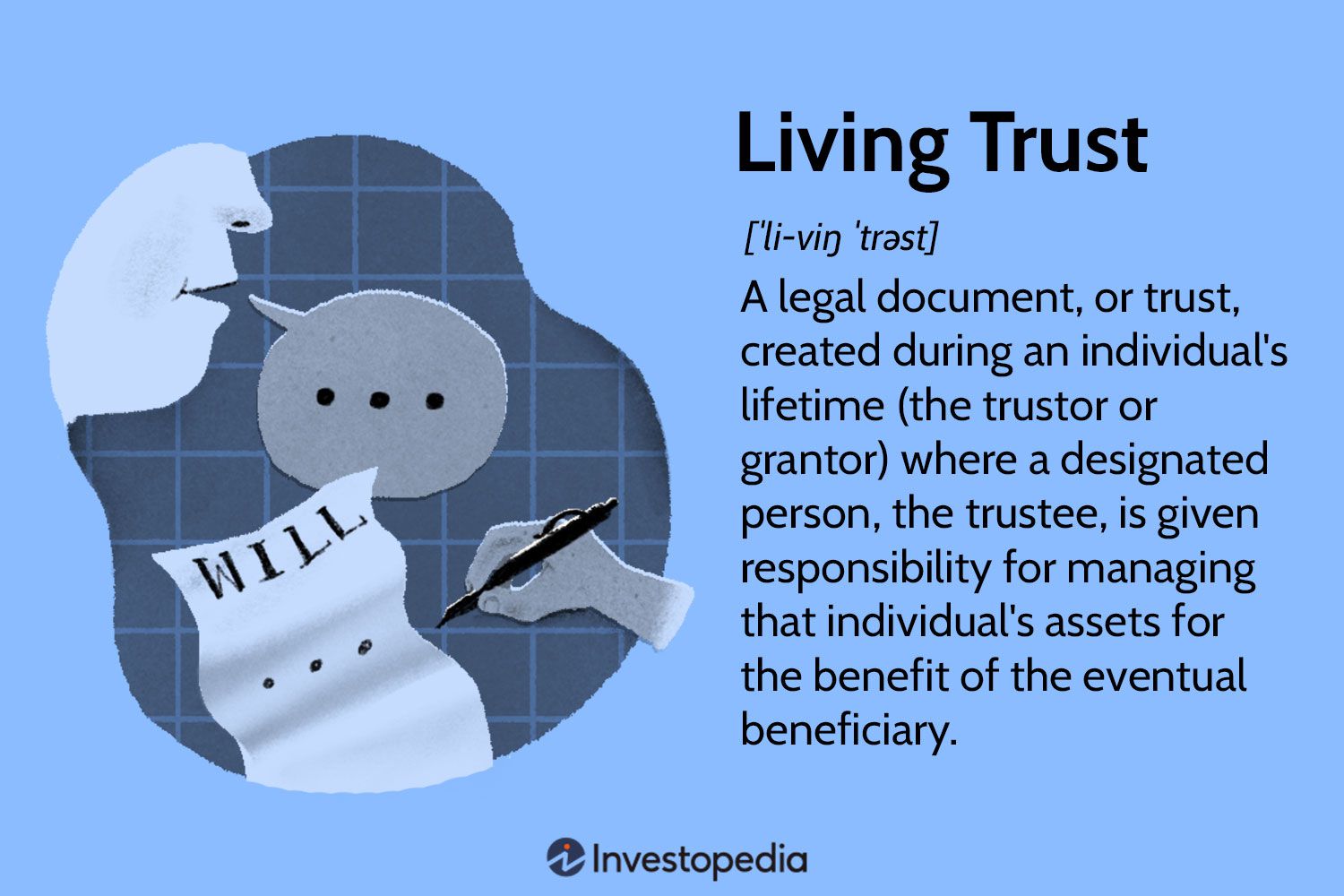
A living trust, sometimes called a revocable trust, is established while you are alive. You transfer ownership of your property into the trust, but you remain the trustee, keeping full control over your assets. You also name a successor trustee who takes over after your death or if you become incapacitated.
The greatest advantage of a living trust is that it avoids probate. Because the trust owns the property, there’s no need for a court to be involved. This means your heirs receive their inheritance faster, with fewer costs and delays. Unlike a will, a living trust also remains private. The contents aren’t filed in court, so only the trustee and beneficiaries know the details.
A living trust also provides continuity. If you’re unable to manage your affairs due to illness or injury, your successor trustee can immediately take over without needing a court-appointed guardian. A will, on the other hand, has no effect until death.
The main drawback of a trust is the upfront effort. Drafting the document is more complex and usually more expensive than a will. You must also “fund” the trust, meaning you have to retitle your property in the trust’s name. If you fail to transfer assets, those assets may still be subject to probate.
Key Differences Between a Will and a Living Trust
The differences between these two documents highlight why families often debate which one offers better protection.
Timing: A will only goes into effect after death, while a trust is effective as soon as it’s created and funded.
Probate: Wills require probate; trusts bypass it.
Privacy: Wills become public record; trusts remain private.
Control: Wills handle distribution after death; trusts allow management during life, incapacity, and after death.
Costs: Wills are less expensive to create but can lead to costly probate later. Trusts require more upfront work but usually save money in the long run.
Which Option Protects Assets Better?
When considering which better protects your assets, the answer depends on what kind of protection you want.
A will ensures your wishes are legally recognized, but it cannot shield your estate from probate fees or public scrutiny. A trust, by avoiding probate, helps preserve more of your estate’s value, provides faster distribution, and offers privacy.
If your primary concern is simplicity and guardianship for children, a will may be sufficient. But if your priority is preserving your estate, reducing delays, and keeping family matters private, a trust is often the stronger choice.
Addressing Common Misconceptions
There are many myths surrounding wills and trusts that can complicate decision-making.
One myth is that a will avoids probate — it does not. Probate is required for every will. Another is that a trust automatically eliminates estate taxes. Unless it is designed with specific tax provisions, a living trust does not reduce taxes. A final misconception is that trusts are only for wealthy people. The truth is that probate can affect estates of all sizes, and even modest estates benefit from the privacy and efficiency of a trust.
Living Will vs Living Trust
The similarity in terms often leads to confusion between a living will vs living trust. They serve entirely different purposes.
A living will is a healthcare directive. It states your preferences for medical care if you cannot speak for yourself, such as whether you want life support or other treatments. A living trust, in contrast, is a financial tool for managing and distributing property.
Both are important for a complete estate plan, but they should not be confused with each other.
Why Many Families Use Both
Instead of choosing between one or the other, many families use both documents together. A trust manages assets, avoids probate, and ensures privacy. A will appoints guardians for children and covers any property not transferred into the trust. This dual strategy ensures no gaps are left in your estate plan.
By combining both, you get the simplicity and guardianship provisions of a will along with the efficiency and protection of a trust.
Final Thoughts
The debate over a living trust vs will is not about which is universally better, but which is better for you. A will is simple, affordable, and critical for naming guardians. A living trust requires more effort and cost but provides privacy, avoids probate, and ensures seamless management during incapacity.
For many, the strongest plan involves both. Together, they offer comprehensive protection, clarity for your family, and peace of mind that your legacy will be managed exactly as you intend.
Estate planning is ultimately about making life easier for those you leave behind. Whether you choose a will, a trust, or both, the most important step is creating a plan now — before it’s too late.
