

In an era where citizens expect fast, personalized, and transparent interactions with public institutions, digital transformation has become a necessity rather than an option. Governments are shifting from paper-based processes and fragmented systems toward integrated, data-driven solutions. Among these, Constituent Experience Management Software (CXM) has emerged as a key enabler of better governance and stronger community relationships.
This technology is redefining how agencies listen to, communicate with, and serve their constituents—bridging the gap between public needs and institutional action.
Understanding Constituent Experience Management (CXM)
Constituent Experience Management focuses on improving the relationship between governments and the people they serve. Much like customer experience in the private sector, CXM emphasizes personalized service delivery, real-time communication, and data-driven insights to anticipate and meet citizen needs.
At its core, CXM software centralizes constituent data and communication channels, helping agencies:
- Gain a unified view of citizens’ interactions and service histories.
- Deliver consistent and proactive communications across departments.
- Identify and resolve pain points in public service delivery.
This holistic approach enables governments to move beyond reactive problem-solving and toward proactive governance that fosters trust and satisfaction.
Why CXM Software Is Becoming Indispensable for Modern Agencies
1. Enhancing Transparency and Accountability
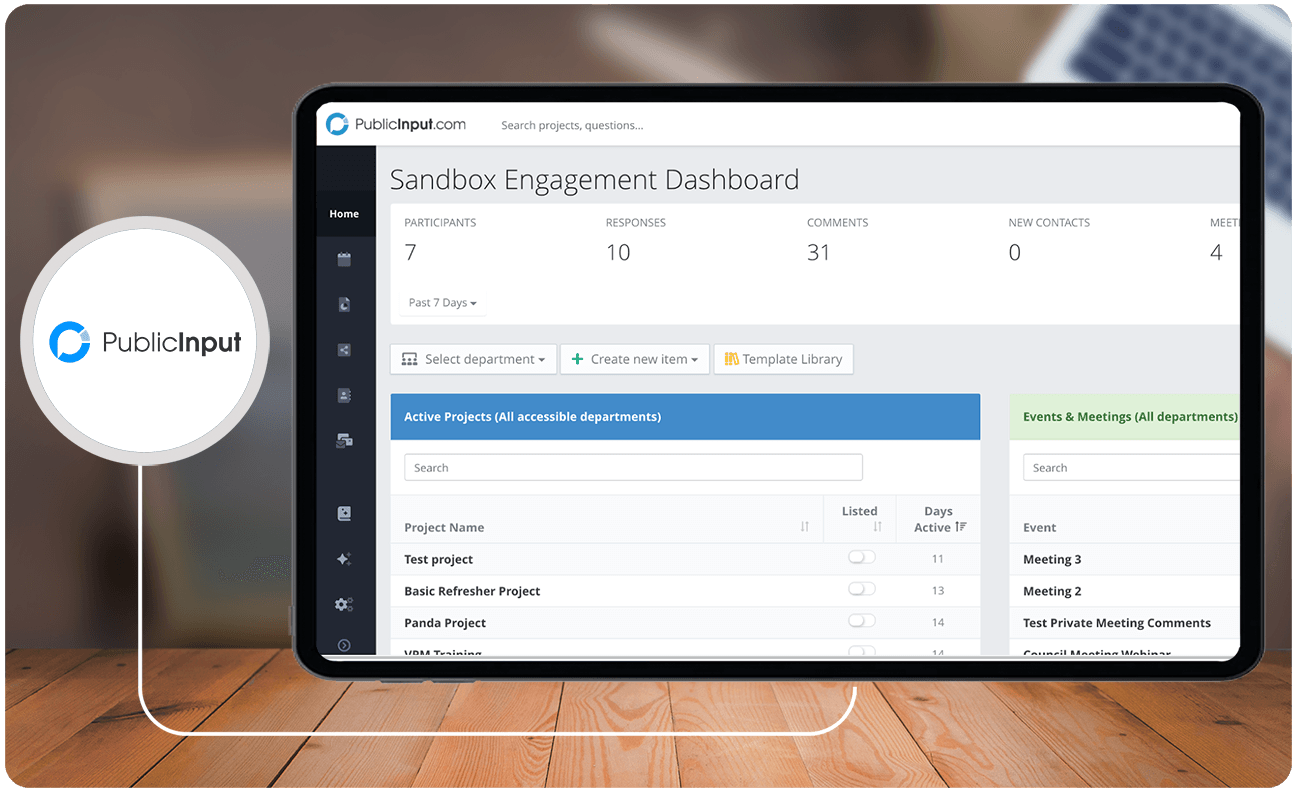
Citizens increasingly demand transparency from public institutions. CXM software provides real-time dashboards and automated reporting that make it easier for agencies to share progress, track performance, and disclose outcomes.
For example, integrating grants management software with CXM systems allows governments to show exactly how public funds are allocated and how grants are impacting local communities. This integration builds trust while simplifying compliance with funding and reporting requirements.
2. Streamlining Service Delivery
Many agencies still rely on disconnected systems that create data silos and delay response times. CXM software unifies these systems into a single platform, enabling faster issue resolution and consistent service delivery.
Whether it’s renewing permits, requesting benefits, or reporting community issues, citizens benefit from smoother, more intuitive digital experiences. Agencies, in turn, save time and resources by automating repetitive tasks and reducing administrative bottlenecks.
3. Empowering Data-Driven Decision-Making
Governments manage vast amounts of data—but without the right tools, that data often goes underutilized. CXM software transforms raw information into actionable insights, helping leaders make informed decisions based on real-time analytics.
By identifying patterns in service requests, demographic data, or feedback trends, agencies can predict emerging community needs and allocate resources more efficiently. This proactive approach leads to smarter policy decisions and measurable improvements in citizen satisfaction.
4. Fostering Collaboration Across Departments
True citizen engagement requires collaboration. CXM platforms enable seamless data sharing across departments—ensuring that health, housing, transportation, and social services are aligned in serving citizens.
For instance, combining CXM with Care Coordination Software allows agencies to manage complex cases more effectively. A citizen needing healthcare, housing support, and employment services can be supported through a unified plan where every department has visibility into the individual’s needs and progress.
Real-World Impact: Building Trust Through Digital Transformation
Cities and agencies worldwide are already seeing measurable benefits from CXM adoption. For example:
- Improved Response Times: Municipal governments using CXM tools have reported up to a 40% reduction in response times for citizen service requests.
- Higher Engagement: Digital engagement campaigns powered by CXM have boosted participation in community programs by over 30%.
- Greater Transparency: Agencies integrating grant and service data now provide real-time progress tracking to the public, improving accountability.
These successes illustrate how modern technology can help restore faith in public institutions by delivering efficient, transparent, and human-centered services.
The Future of Citizen Engagement
The future of citizen engagement lies in personalization, accessibility, and trust. As governments continue to evolve, the adoption of CXM software will play a central role in ensuring that technology serves both administrative efficiency and human connection.
When integrated with systems like grants management software and care coordination tools, CXM enables governments to function as truly connected ecosystems—where every citizen interaction contributes to better policy, improved services, and stronger civic relationships.
Conclusion
Constituent Experience Management Software is more than just a technological upgrade—it’s a strategic shift toward more responsive, transparent, and citizen-centric governance. By embracing CXM, public institutions can transform how they engage with citizens, strengthen trust, and drive lasting social impact.
As digital transformation continues to redefine public service, now is the time for agencies to invest in solutions that make governance more human, efficient, and future-ready.
Word Count: ~1,045 words
Meta Title:
How Constituent Experience Management Software Elevates Citizen Engagement
Meta Description:
Discover how Constituent Experience Management Software helps governments improve transparency, trust, and efficiency in citizen engagement.
