

Hey, ladies! Are you someone who believes there is plenty of time to think about your fertility because starting a family isn’t on your immediate agenda? So, let us tell you, age is just one part of the fertility equation. Understanding your reproductive health early can give you valuable insights into your fertility potential and help you make informed decisions for the future.
Here, the AMH test helps to gain that insight about your ovarian reserve and plan fertility journeys better. So what exactly is AMH testing and why is it helpful to know about it before 35? To learn more about AMH, keep reading!
Understanding AMH Test
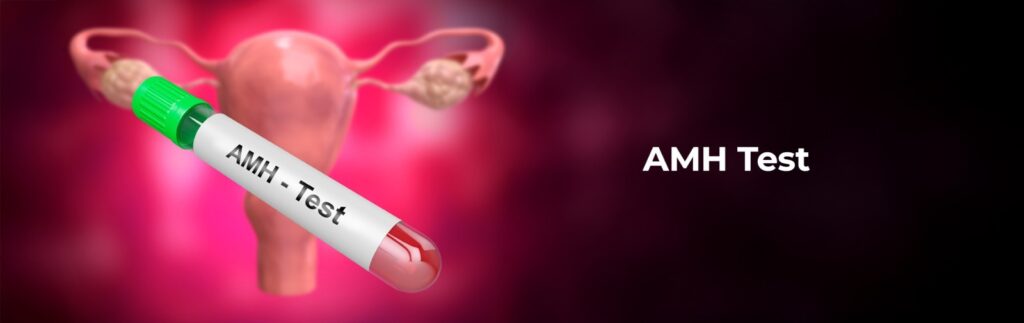
AMH stands for Anti-Mullerian Hormone which is a hormone produced by the small follicles in a woman’s ovaries.In simple terms, an AMH test is a blood test that determines a woman’s ovarian reserve (basically the quantity of eggs she has at a particular time). It is not a fertility prediction tool. Also, it does not predict your odds of getting pregnant.
What Does Result Mean
AMH results are typically numbers that correspond to your age and overall health. A high AMH level suggests a healthy ovarian reserve (meaning more eggs in your ovaries). A low level, on the other hand, suggests that the egg reserve is diminishing.
However, this does not say that pregnancy is impossible. It simply indicates whether your egg count is falling earlier than predicted, which may cause complications in your reproductive journey. It is only one aspect of evaluating your fertility status, which provides information about your reproductive health. That is why an AMH test is crucial, so you may plan your future fertility journey with confidence.
Why AMH Testing Matters Before Age 35
AMH testing is important before the age of 35 because fertility declines gradually and there are typically no obvious or early symptoms. Furthermore, this test provides an estimate of ovarian reserve, which helps the doctor determine how much time you may have for future family planning. As after 35, the decline in AMH may become faster, and so knowing egg count earlier can help in making more informed decisions.1
Who Should Consider an AMH Test?
An AMH test is not just for women who are actively trying to conceive. It is also helpful for women who want to understand their reproductive health better. For example, AMH testing is important if you want to have more clarity about your egg count for delaying pregnancy. It also helps to know if you have been diagnosed with PCOS, or have a family history of early menopause or have been trying to conceive for some time without any success yet.
Not just all these, but if someone is considering IVF, AMH testing helps doctors too to plan their fertility treatment better. So, in all these situations, knowing your ovarian reserve is crucial and can help with better baby planning.
Best Time to Consider AMH Testing
There is no set schedule for taking this test. It is also not about doing it at a particular age. In fact it’s about knowing your fertility status as early as possible. The earlier you take it, the sooner you get clarity about your reproductive health. As mentioned above, egg reserve naturally declines after age 35. So it is generally suggested to perform the test before then.
Conclusion
So after reading this, you must have little clarity of what AMH testing is and why it matters. Instead of panicking, it is important to stay aware and also encourage others to be aware of. This will just help you understand your reproductive health better and plan your own fertility journey in the right way.
And the good thing is, taking this test is now much more convenient. Getting your AMH test done is now easier and more convenient than ever. With LifeCell Diagnostics, you can book the test from the comfort of your home and opt for hassle-free sample collection. The test is processed in NABL-accredited laboratories, with results available in as little as 14 hours.
No long queues, no unnecessary hassle, just a simple and reliable way to gain valuable insights into your reproductive health. By understanding your ovarian reserve today, you can stay informed and make more confident decisions about your future family-planning goals.
