

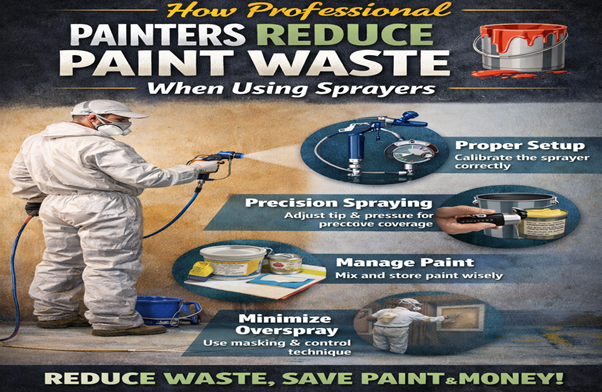
Paint waste is one of the biggest hidden costs in any painting project. Whether you’re working on residential homes, commercial buildings, or large industrial jobs, wasted paint directly affects profitability. Professional contractors understand that using an airless paint sprayer efficiently is not just about speed—it’s also about control, precision, and proper equipment management.
By following proven techniques and maintaining their tools, experienced painters can significantly reduce paint waste while still achieving smooth, high-quality finishes. From choosing the right spray tips to maintaining clean pump filters, every detail matters.
In this guide, we’ll explore how professional painters reduce paint waste and improve efficiency when using sprayers.
Why Paint Waste Happens in Spray Applications
While an airless paint sprayer is designed to apply coatings quickly, improper setup or technique can lead to wasted material.
Common causes of paint waste include:
- Excess overspray
- Incorrect spray tips
- High pressure settings
- Worn airless sprayer parts
- Poor spray technique
- Lack of proper paint sprayer maintenance
Understanding these causes is the first step toward improving efficiency and reducing unnecessary material usage.
Using the Right Spray Tip Size
One of the most important factors in controlling paint usage is selecting the correct spray tips.
Each spray tip controls how much paint flows through the spray gun and how wide the spray fan will be. Using a tip that is too large can result in excessive paint flow, leading to waste.
Professional painters carefully match spray tip sizes to the coating and surface:
- Smaller tips for thin coatings
- Medium tips for standard paints
- Larger tips for thicker materials
Using the correct tip ensures the airless paint sprayer delivers the right amount of paint without over-applying.
Replacing worn spray tips is equally important, as worn tips can increase paint usage without improving coverage.
Controlling Sprayer Pressure
Pressure settings have a direct impact on paint consumption. High pressure can create excessive overspray, while low pressure can cause uneven coverage.
Professional painters adjust pressure carefully to achieve a balanced spray pattern.
Best practice:
- Use the lowest pressure that still produces a smooth spray pattern
This approach reduces overspray and minimizes stress on airless sprayer parts.
Maintaining proper pressure also improves spray pattern control and helps reduce paint waste during application.
Reducing Overspray
Overspray is one of the main causes of paint waste when using a spray gun. It occurs when paint particles drift away from the intended surface.
Professional painters reduce overspray by:
- Maintaining proper spray distance (10–12 inches)
- Using the correct spray tips
- Adjusting pressure settings
- Using proper spraying angles
In some situations, contractors also use specific paint sprayer accessories such as shields or guards to control overspray.
Reducing overspray not only saves paint but also reduces cleanup time and improves job site safety.
Maintaining Clean Filters for Efficient Flow
Clean filters play a major role in maintaining consistent paint flow and preventing waste.
Pump filters and airless sprayer filters help prevent debris from entering the system. When these filters become clogged, the sprayer may produce uneven spray patterns or require higher pressure to operate.
This can lead to increased paint usage.
Professional painters regularly clean or replace:
- Pump filters
- Airless sprayer filters
Keeping filters clean ensures the airless paint sprayer operates efficiently and delivers consistent paint flow.
Using Proper Spray Technique
Technique plays a critical role in reducing paint waste. Even with the best equipment, poor technique can lead to uneven coverage and unnecessary material usage.
Professional painters follow these techniques:
- Keep the spray gun perpendicular to the surface
- Maintain a consistent distance from the surface
- Move the gun at a steady speed
- Overlap each pass evenly
These techniques ensure that paint is applied evenly without overloading certain areas.
Consistent technique helps reduce the need for touch-ups and additional coats.
Replacing Worn Airless Sprayer Parts
Worn airless sprayer parts can negatively affect spray performance and increase paint waste.
Components such as:
- Spray tips
- Seals and valves
- Filters
- Hoses
must be inspected regularly.
Worn parts can cause:
- Increased paint flow
- Uneven spray patterns
- Pressure inconsistencies
Professional contractors replace worn parts early to maintain efficient operation.
Using high-quality Graco sprayer parts ensures durability and consistent performance under high-pressure conditions.
Choosing the Right Equipment for the Job
Selecting the right equipment setup is essential for minimizing paint waste.
Professional painters consider:
- Type of coating
- Surface size
- Required finish quality
- Sprayer capability
For example, using the correct spray gun and properly sized spray tips helps ensure efficient paint application.
Using appropriate paint sprayer accessories also improves control and reduces unnecessary material usage.
Proper Paint Preparation
Paint preparation is often overlooked but plays a key role in reducing waste.
Before spraying, contractors ensure that paint is:
- Properly mixed
- Free of debris
- At the correct consistency
Improperly prepared paint can clog airless sprayer filters and spray tips, leading to uneven spraying and wasted material.
Filtering paint before use helps maintain smooth paint flow and consistent spray patterns.
Routine Paint Sprayer Maintenance
Regular paint sprayer maintenance is essential for reducing paint waste and ensuring efficient operation.
Professional painters follow a maintenance routine that includes:
- Cleaning spray tips after each job
- Inspecting pump filters regularly
- Checking airless sprayer filters for blockages
- Cleaning the spray gun thoroughly
- Inspecting hoses and fittings
Routine maintenance helps prevent equipment issues that could lead to wasted paint
Why Quality Parts and Accessories Matter
Using high-quality airless sprayer parts and reliable paint sprayer accessories plays a major role in reducing paint waste.
Durable components ensure consistent performance and reduce the likelihood of equipment failure.
Many contractors rely on Graco sprayer parts because they are designed to handle the demands of professional painting applications.
Investing in reliable equipment helps contractors maintain efficiency and achieve better results.
Conclusion
Reducing paint waste when using an airless paint sprayer requires a combination of proper technique, correct equipment selection, and regular maintenance.
By using the right spray tips, maintaining clean pump filters, and replacing worn airless sprayer parts, professional painters can significantly improve efficiency and reduce material costs.
Controlling pressure, minimizing overspray, and following proper spray techniques further help ensure that paint is applied evenly without waste.
For contractors who want to maximize productivity and profitability, focusing on efficient spraying practices and proper paint sprayer maintenance is essential.
FAQ
What causes paint waste when using a sprayer?
Paint waste is often caused by overspray, incorrect spray tips, high pressure settings, and worn airless sprayer parts.
How can I reduce overspray when using a spray gun?
Maintaining proper distance, using the correct spray tip, and adjusting pressure settings can help reduce overspray.
Do worn spray tips increase paint usage?
Yes. Worn spray tips allow more paint to flow through the sprayer, increasing material usage and reducing efficiency.
Why are pump filters important in reducing paint waste?
Pump filters ensure smooth paint flow and prevent debris from affecting spray performance, which helps reduce uneven spraying and waste.
How does maintenance affect paint efficiency?
Regular paint sprayer maintenance ensures consistent spray patterns, proper pressure, and efficient paint application, reducing overall waste.
