

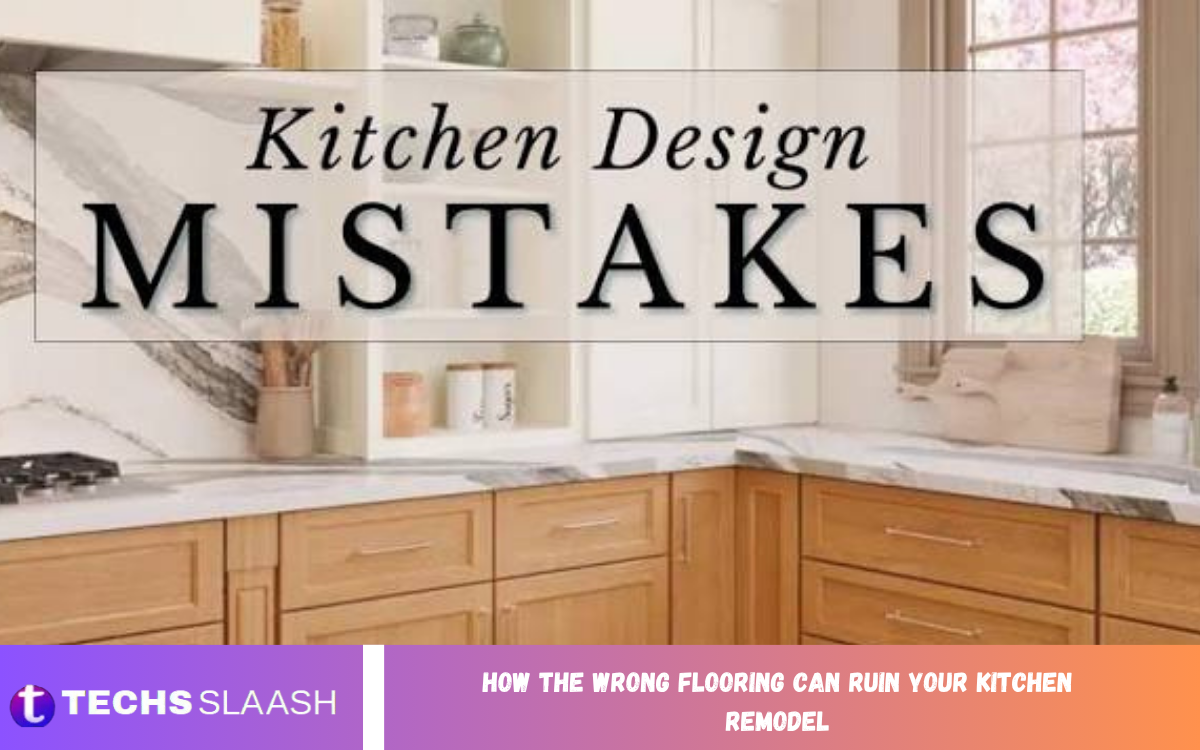
A kitchen remodel is one of the best ways to improve your home’s style, functionality, and value. From modern cabinets and elegant countertops to high-end appliances, every design choice plays an important role in creating your dream kitchen.
Kitchen floors must withstand heavy foot traffic, spills, moisture, dropped cookware, and daily wear. If the flooring material isn’t durable, water-resistant, or easy to maintain, it can lead to costly repairs, safety hazards, and a shorter lifespan for your entire remodel.
Why Kitchen Flooring Matters More Than You Think?
The kitchen is one of the busiest rooms in any home. Every day it experiences constant foot traffic, cooking spills, water exposure, dropped utensils, chair movement, and temperature fluctuations. Unlike flooring in bedrooms or living rooms, kitchen flooring must balance aesthetics with durability.
A quality kitchen floor should offer:
- Water resistance
- Long-lasting durability
- Easy cleaning
- Slip resistance
- Comfort underfoot
- Compatibility with your kitchen style
- Resistance to stains and scratches
Ignoring these factors often leads to expensive repairs much sooner than expected.
Common Flooring Mistakes That Damage Kitchen Remodels
Many remodeling projects fail because homeowners prioritize appearance over performance. A beautiful flooring material may look stunning in a showroom but perform poorly in a real kitchen environment.
Some of the most common mistakes include:
Choosing Style Over Function
Many homeowners select flooring based solely on color or design. While appearance matters, durability should always come first.
Glossy finishes, soft materials, or delicate natural woods may look elegant but struggle against everyday kitchen activity.
Instead, choose flooring that combines visual appeal with practical performance.
Ignoring Water Resistance
Water is unavoidable in every kitchen.
Dishwashers leak.
Pipes occasionally burst.
Ice makers drip.
Cooking creates spills.
Without proper water-resistant flooring, moisture can seep beneath the surface and cause:
- Mold growth
- Warped boards
- Loose flooring
- Structural damage
- Unpleasant odors
Water damage often remains hidden until repairs become expensive.
Hardwood Flooring Isn’t Always the Best Choice
Hardwood floors remain one of the most popular flooring choices because of their timeless appearance.
However, they aren’t perfect for every kitchen.
Solid hardwood expands and contracts with moisture.
Repeated exposure to water may cause:
- Warping
- Buckling
- Gaps between boards
- Surface discoloration
Unless properly maintained, hardwood can become a long-term maintenance challenge.
Engineered hardwood provides better moisture resistance but still requires careful care.
Cheap Flooring Can Become Expensive
Budget flooring may reduce renovation costs initially, but poor-quality materials often wear out much faster.
Low-quality flooring commonly develops:
- Cracks
- Chips
- Fading
- Peeling
- Loose seams
Replacing damaged flooring after installing cabinets is significantly more expensive than investing in quality materials from the beginning.
The lowest price rarely delivers the best long-term value.
Poor Flooring Installation Creates Lasting Problems
Even premium flooring performs poorly if installed incorrectly.
Common installation mistakes include:
- Uneven subfloors
- Improper expansion gaps
- Weak adhesive
- Incorrect leveling
- Poor moisture barriers
These issues eventually cause:
- Squeaking floors
- Lifting edges
- Cracking tiles
- Water penetration
- Uneven walking surfaces
Professional installation protects your remodeling investment.
Read Also: Business Lawyer Questions for New Owners
Slippery Floors Increase Safety Risks
Kitchen safety is often overlooked during remodeling.
Highly polished stone or glossy tile becomes extremely slippery when wet.
This increases the risk of:
- Falls
- Injuries
- Broken dishes
- Accidents involving children
- Elderly household hazards
Slip-resistant flooring provides better traction without sacrificing style.
Textured porcelain tile, luxury vinyl plank, and matte finishes offer safer alternatives.
Difficult Maintenance Becomes Frustrating
Some flooring materials require constant care.
Natural stone often needs:
- Regular sealing
- Specialized cleaners
- Frequent maintenance
Certain wood floors require refinishing every few years.
Choosing high-maintenance flooring can become frustrating for busy homeowners.
Easy-to-clean options like porcelain tile and luxury vinyl reduce cleaning time while maintaining their appearance.
Flooring That Doesn’t Match Your Design
Kitchen flooring should enhance every other design element.
Poor color selection creates visual imbalance.
Examples include:
- Warm wood cabinets with cool gray flooring
- Rustic kitchens with ultra-modern flooring
- Bright countertops paired with dark flooring that overwhelms the space
Consistency in colors, textures, and finishes creates a harmonious kitchen design.
Professional designers often recommend selecting flooring before finalizing cabinet colors.
Temperature Changes Can Damage Flooring
Kitchen environments experience constant temperature shifts.
Cooking appliances generate heat.
Doors allow cold air inside.
Seasonal humidity changes affect flooring materials.
Certain flooring products expand and contract significantly.
This movement may result in:
- Cracking
- Gaps
- Loose joints
- Warping
Selecting dimensionally stable flooring reduces these risks.
Heavy Appliances Put Flooring Under Pressure
Kitchen floors support substantial weight.
Large appliances include:
- Refrigerators
- Ovens
- Dishwashers
- Kitchen islands
Soft flooring materials compress under heavy loads.
Over time, permanent dents become visible.
Durable materials like porcelain tile or rigid-core luxury vinyl better withstand appliance weight.
Flooring Can Affect Home Value
Homebuyers pay close attention to kitchens.
Beautiful kitchens create strong first impressions.
However, damaged flooring immediately raises concerns about maintenance and hidden problems.
Poor flooring choices can:
- Lower resale value
- Reduce buyer interest
- Increase negotiation requests
- Delay home sales
Quality flooring improves both appearance and marketability.
Best Flooring Options for Kitchen Remodels
Choosing the right flooring depends on your budget, lifestyle, and design preferences.
Luxury Vinyl Plank (LVP)
Luxury vinyl plank has become one of today’s most popular kitchen flooring options.
Benefits include:
- Waterproof construction
- Scratch resistance
- Comfortable walking surface
- Affordable pricing
- Easy installation
- Realistic wood appearance
It performs exceptionally well in busy family kitchens.
Porcelain Tile
Porcelain tile remains a favorite among designers.
Advantages include:
- Exceptional durability
- Waterproof surface
- Heat resistance
- Stain resistance
- Long lifespan
- Wide variety of designs
Although harder underfoot, porcelain offers unmatched longevity.
Engineered Hardwood
Homeowners wanting authentic wood appearance often choose engineered hardwood.
Compared with solid hardwood, it offers:
- Better moisture resistance
- Greater stability
- Beautiful natural finish
- Increased durability
Proper maintenance remains essential.
Natural Stone
Natural stone creates a luxurious appearance.
Popular choices include:
- Slate
- Travertine
- Marble
- Granite
While beautiful, stone requires regular sealing and professional maintenance.
Signs You Chose the Wrong Flooring
If you’ve already completed your remodel, certain warning signs indicate flooring problems.
Watch for:
- Loose boards
- Cracked tiles
- Water stains
- Warped surfaces
- Constant squeaking
- Mold odors
- Fading colors
- Uneven flooring
Early repairs prevent larger structural issues.
Expert Tips Before Choosing Kitchen Flooring
Professional remodelers recommend evaluating flooring carefully before purchasing.
Consider these factors:
- Household size
- Pets
- Children
- Cooking frequency
- Budget
- Cleaning preferences
- Moisture exposure
- Climate conditions
Request flooring samples before making your final decision.
Place samples inside your kitchen to observe them under natural and artificial lighting.
Planning Your Kitchen Remodel Successfully
Every successful kitchen renovation begins with thoughtful planning.
Avoid rushing flooring decisions.
Instead:
- Compare multiple materials.
- Read manufacturer warranties.
- Review maintenance requirements.
- Hire experienced installers.
- Invest in quality underlayment.
- Match flooring with cabinetry.
- Consider long-term durability rather than short-term savings.
Careful planning prevents unexpected expenses later.
Frequently Asked Questions
Can hardwood flooring be used in kitchens?
Yes, hardwood can be used in kitchens, but solid hardwood is more vulnerable to moisture and humidity. Engineered hardwood is generally a better choice because it offers improved stability and moisture resistance.
How does water damage affect kitchen flooring?
Water can cause flooring to warp, swell, stain, crack, or develop mold underneath. Choosing waterproof or highly water-resistant flooring helps prevent costly repairs and extends the life of your kitchen.
Is luxury vinyl plank flooring a good investment?
Yes. Luxury vinyl plank is durable, waterproof, scratch-resistant, easy to maintain, and available in many styles that mimic natural wood or stone, making it a popular choice for modern kitchens.
How long does quality kitchen flooring typically last?
The lifespan varies by material. Porcelain tile can last over 50 years, engineered hardwood often lasts 20–30 years, and high-quality luxury vinyl plank typically lasts 15–25 years with proper care.
Should kitchen flooring be installed before cabinets?
In many remodels, flooring is installed before cabinets to create a seamless appearance and simplify future renovations. However, the best installation method depends on the flooring material and the remodel plan.
Does the wrong flooring reduce home value?
Yes. Damaged, outdated, or poor-quality flooring can negatively impact a home’s appearance and resale value. Buyers often view flooring as an indicator of the property’s overall condition.
How can I choose the right flooring for my kitchen?
Consider factors such as moisture resistance, durability, maintenance requirements, comfort, budget, design style, and your household’s daily activities. Consulting a flooring professional can also help you make the best decision for your kitchen remodel.
Conclusion
Understanding how the Wrong Flooring Can Ruin Your Kitchen Remodel is essential for creating a kitchen that remains beautiful, functional, and valuable for years to come. Flooring is much more than a decorative feature it supports every aspect of your kitchen’s performance.
Choosing a material that cannot withstand moisture, heavy traffic, temperature changes, or daily wear can lead to repairs that cost far more than the initial savings from a cheaper option.
