

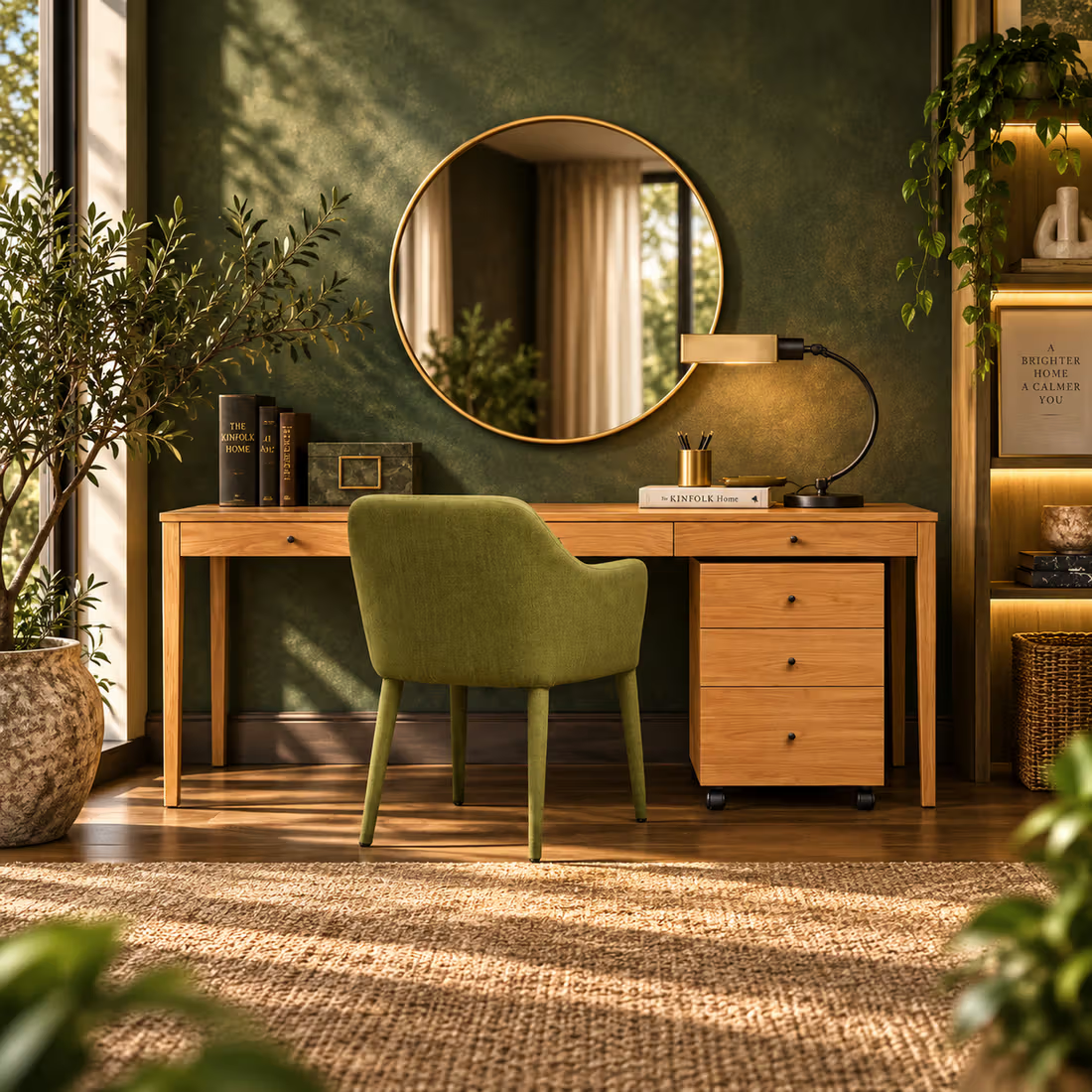
When a startup moves out of the spare bedroom and into its first studio, the budget goes on laptops, software and rent. Furniture is often an afterthought, sorted with whatever is cheapest and quickest to arrive. A few months later, half the desks wobble, the cables are a tangle and someone has quietly moved to the couch.
There is a better way to look at it. A desk is equipment your team uses for most of every working day, and it shapes how comfortably and safely people can work. Comcare reports that musculoskeletal disorders are Australia’s leading cause of workers’ compensation claims, accounting for more than half of them, and its workstation checklist starts with a level, flat work surface with enough room to do the job.
If you are fitting out a studio, it pays to compare real specifications, and you can browse wooden desks at Sydney retailer Chocolate Wood that list the timber, width and depth of each piece, from compact writing desks to 180 centimetre desks with matching filing cabinets, so you can plan the floor layout before you order.
Why the desk matters more than it looks
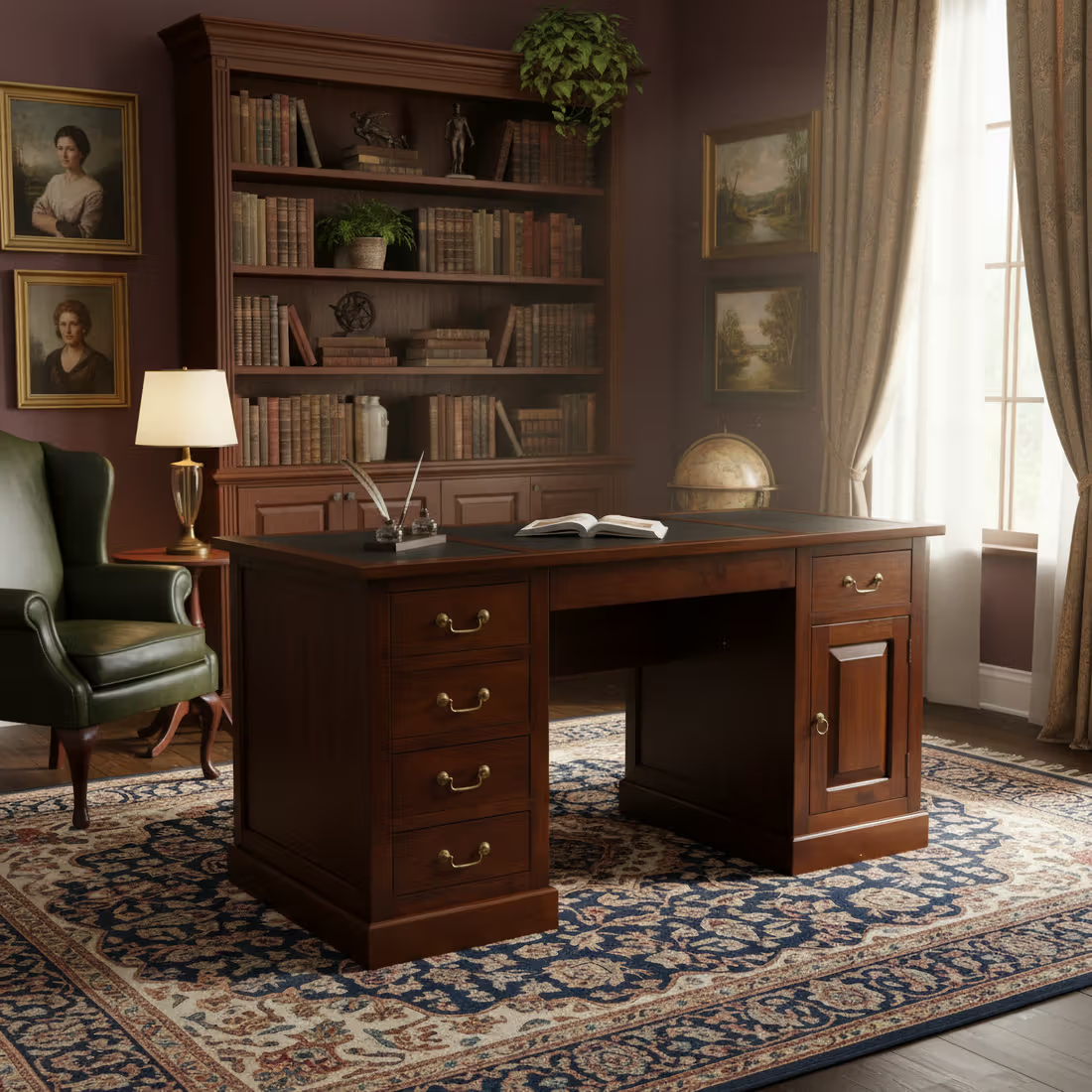
Founders spend a lot of time choosing tools. The desk is a tool too. It decides where screens can sit, whether there is room for a second monitor, how cables are managed and whether two people can review work together without hunching over one laptop. Safe Work Australia’s model Code of Practice on managing the work environment and facilities says businesses must provide workstations suitable for the person and the task, and that work should include a mix of seated and standing tasks so people avoid sitting or standing for long periods.
That duty does not stop at the studio door. Safe Work Australia says businesses must ensure, so far as is reasonably practicable, the health and safety of workers when they are working from home. For a hybrid team, that is a reason to think about home desks as well as the shared office.
Hybrid work is now the norm for many small teams. The Australian Bureau of Statistics found that 36 per cent of employed people usually worked from home in August 2025, and that 22 per cent of them gave running a business from home or having a home based job as their main reason.
The case for buying once
Cheap desks look attractive on a spreadsheet, but they are rarely cheap over the life of a business. Particleboard frames loosen with every move, surfaces chip and drawers stop running smoothly. Replacing them means another order, another delivery window and another load of furniture heading for the skip.
Solid timber desks cost more up front, but they are heavy, stable and repairable. Surfaces can be sanded and refinished, and a good desk can move from the first studio to the next office and eventually into someone’s home. There is an environmental angle as well. WoodSolutions, an industry initiative resourced by Forest and Wood Products Australia, notes that wood products are about 50 per cent carbon by dry weight and that this carbon stays stored for the life of the product, so a desk kept in use for longer holds that carbon for longer.
What to look for in a studio desk
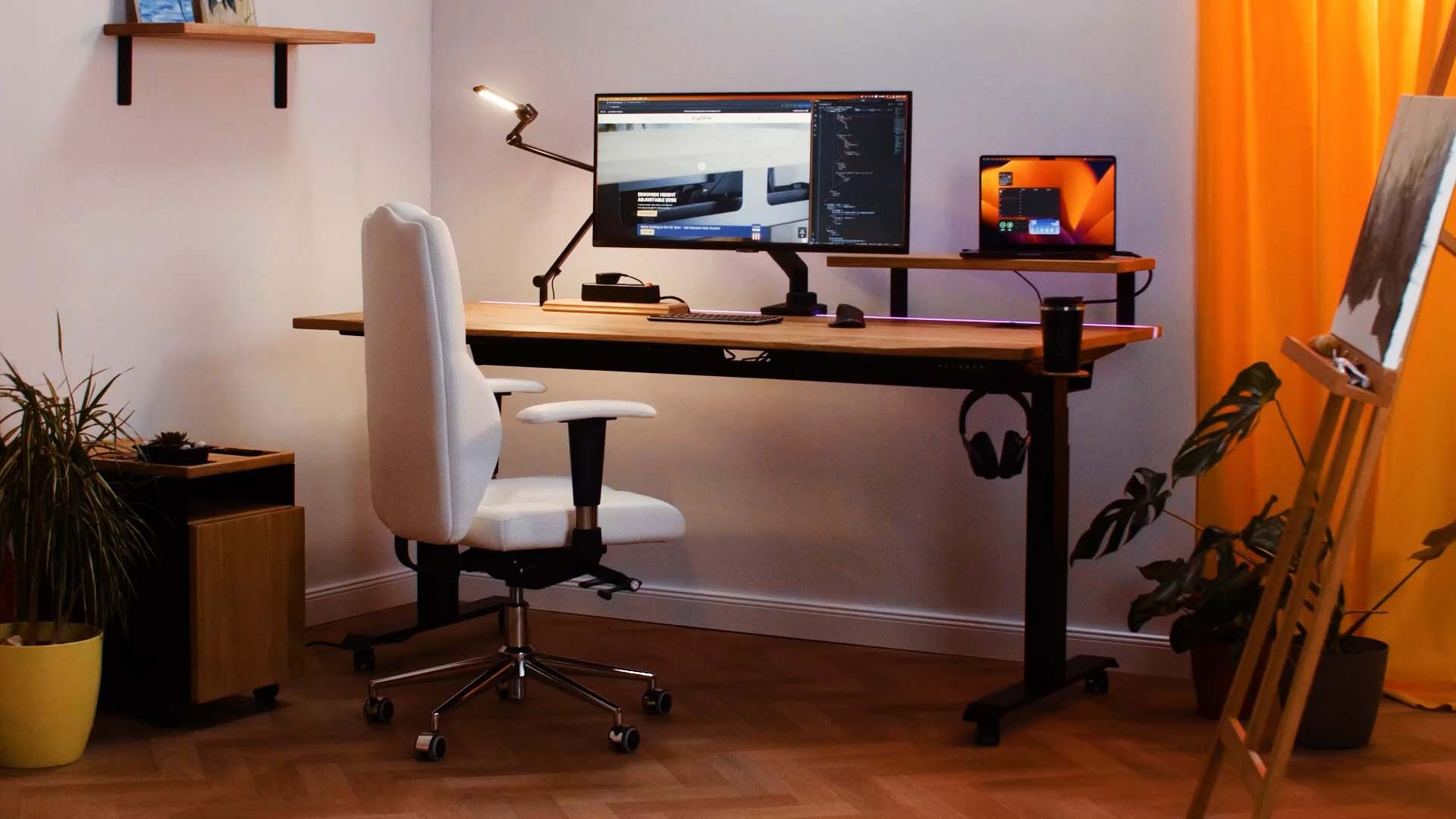
- Width for real work. Allow for two monitors where people need them. A desk 150 or 180 centimetres wide gives one person a generous workstation or two people a shared surface for reviews.
- Depth for screens. Safe Work Australia recommends screens about an arm’s length away and the keyboard at least 10 to 15 centimetres from the desk edge. A desk 70 centimetres deep makes both easier.
- Storage that suits the work. Pencil drawers, file drawers or a matching mobile filing cabinet keep contracts and spare hardware off the surface.
- Cable planning. Comcare’s checklist calls for cables to be neat and safely stored and for power boards not to be overloaded. Work out where the power runs before the desks arrive.
- A consistent look. Choosing from one range makes it easier to add matching desks as you hire.
Custom or off the shelf
For most teams, a standard desk is the sensible choice, and imported ranges held in stock are usually the quicker option. But studios often come with awkward corners, columns and alcoves, and that is where made to measure furniture earns its keep. Chocolate Wood, which has been trading in Sydney since August 2006, builds its Australian custom made pieces at its Riverwood factory and workshop to the customer’s dimensions, timber and finish, with production estimated at three to four weeks plus delivery. Its range includes the Frangelica corner desk and hutch in Victorian ash, and the business says it will tell customers when a standard size will do rather than sell them a custom piece they do not need.
Delivery matters when you are trying to keep the team working. The company delivers Australia wide, with larger furniture handled by furniture removalists who place it in the room of your choice, subject to safe and reasonable access, and many of its Australian made desks arrive fully assembled. Its furniture carries a 12 month manufacturer’s warranty against manufacturing faults, on top of your rights under the Australian Consumer Law. For a founder, that means fewer flat pack evenings and less time chasing replacements.
A startup’s first office furniture says a lot about how its founders think about the people using it. Buy desks that fit the work, set them up properly and choose materials that last, and that is one line on the budget you will not need to revisit at the next raise.
