

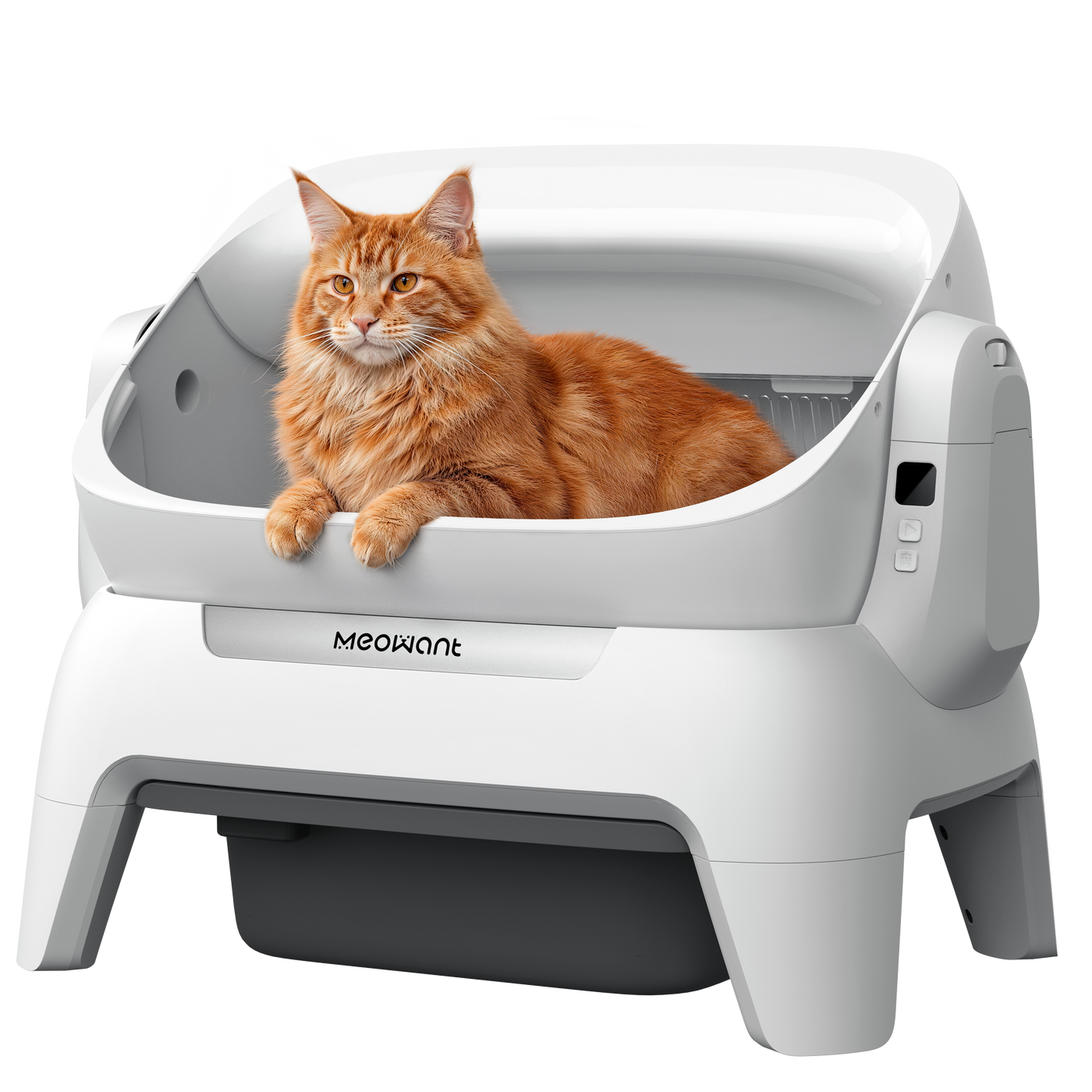
One cat keeps a litter box busy. Two cats turn it into a logistics problem. Three or more, and the daily scoop becomes a small project that most owners cannot keep up with on a good day, let alone during a hectic week. It is no surprise that multi-cat households are the fastest-growing group shopping for automatic cat litter boxes. The promise is straightforward: a machine that cycles after every visit and keeps up with traffic no manual routine could match.
But multi-cat homes ask more of an automatic box than a single-cat home does. The unit has to handle more visits, more waste, and often more than one personality. Choose the wrong model and you get a jammed mechanism, a full drawer by noon, and a cat that refuses to share. This guide walks through the decisions that matter when there is more than one cat in the house.
Start With the Numbers, Not the Features
The single most common mistake in multi-cat shopping is buying one unit sized for a single cat and expecting it to scale. Traffic is the key variable. A machine rated for a certain number of cycles per day will start to strain when two or three cats use it around the clock, and the waste drawer will fill far faster than the listing suggests.
A practical rule is to think in terms of drawer capacity rather than cat count. Estimate how much waste your cats produce in a day, then check how often you are willing to empty the drawer. If the answer is once a day, you need a drawer that holds a day’s worth for the whole household, which usually means a larger model or a second unit. Many experienced owners end up with two machines for three cats, placed in separate rooms, which also reduces queueing and territory disputes.
If you are comparing options, start with a range of automatic cat litter boxes that comes in more than one size and states drawer capacity clearly, because that is the number that determines your daily workload.
Design Choices That Matter in a Shared Home
Once capacity is settled, the next question is how the machine behaves when several cats use it. A few design details separate units that work well in busy homes from ones that cause friction.
Entry Size and Turning Room
A larger cat needs to enter, turn, and exit without feeling trapped. In a shared home the box has to accommodate the biggest cat, not the smallest, because a cramped drum will be avoided by the largest animal and may be guarded by the most confident one. Check interior dimensions against your largest cat’s length, and favor models with a wide opening and enough headroom for a full turn.
Cycle Timing and Quiet Operation
With multiple cats, the machine cycles far more often, so noise matters more than in a single-cat home. A loud motor can create anxiety and, worse, can train cats to avoid the box when it is running. Look for a delay setting that waits a few minutes after a visit, giving a second cat time to use the box before the rake starts. A quiet cycle is also easier on the humans in a small apartment.
Waste Sealing and Odor Control
More cats mean more odor, and the waste compartment becomes the main source of it. A sealed drawer with a carbon filter is worth prioritizing. Also consider how easy it is to remove and rinse, since multi-cat households will be handling that drawer far more often. Avoid designs where waste sits in an open tray or where the liner is difficult to replace.
Durability Under Heavy Use
A unit that cycles thirty times a day will show wear far sooner than one in a single-cat home. Look for a motor rated for continuous operation, a rake that is easy to replace, and a drum that can be removed for deep cleaning. Warranty length is a reasonable proxy for the manufacturer’s confidence in the mechanism. In a busy home, a model that costs a little more but lasts several years is almost always cheaper than a bargain unit that fails after one.
Managing Cat Politics Around a Single Machine
Cats are territorial, and a single automatic box can become a resource one cat guards. Even a well-designed machine will not fix a social problem. Watch for a cat that blocks the entry, a cat that only uses the box when the others are asleep, or a cat that starts eliminating elsewhere after the machine is installed. These are signs that the household needs more than one station.
The safest approach is to keep at least one box per cat plus one extra, which is the long-standing guidance for litter stations generally. Automation does not change that math; it just makes each station easier to maintain. Placing boxes in different rooms and on different floors, if you have them, reduces both traffic and tension. Keep food and water well away from every box.
If you start with a single machine, monitor the first two weeks closely. A sudden change in litter habits is the clearest signal that something is wrong, whether it is capacity, placement, or a social issue. Do not assume the machine is at fault; often the fix is simply adding a second station or moving the existing one.
It also helps to keep the boxes slightly different. Two identical machines placed side by side can still create a bottleneck, whereas two boxes in different rooms give a nervous cat an alternative. If you have a senior cat and a younger one, consider placing the box the senior prefers in a quiet spot with a low entry, and let the more agile cat use the other. Small adjustments in placement often resolve problems that no amount of capacity can fix.
Setup and Maintenance for a Busy Household
Installation follows the same principles as a single-cat home, but the timeline is compressed because there is more traffic. Set up the unit, run a couple of empty cycles so every cat hears the sound, and keep the old boxes available during the transition. Because multiple cats learn from each other, one confident cat using the new box often speeds up acceptance for the rest. Do not remove all the manual boxes at once; phase them out over a week or two.
Maintenance needs a rhythm. Check the drawer at least once a day in a multi-cat home, and more often during the first week while you learn the real fill rate. Top up litter daily, since several cats will displace it quickly, and keep the surface deep enough for clumps to form properly. Wipe the entry and interior weekly, replace carbon filters on schedule, and clean the rake and drum monthly to prevent buildup that causes jams. A small amount of preventive cleaning saves far more time than a repair.
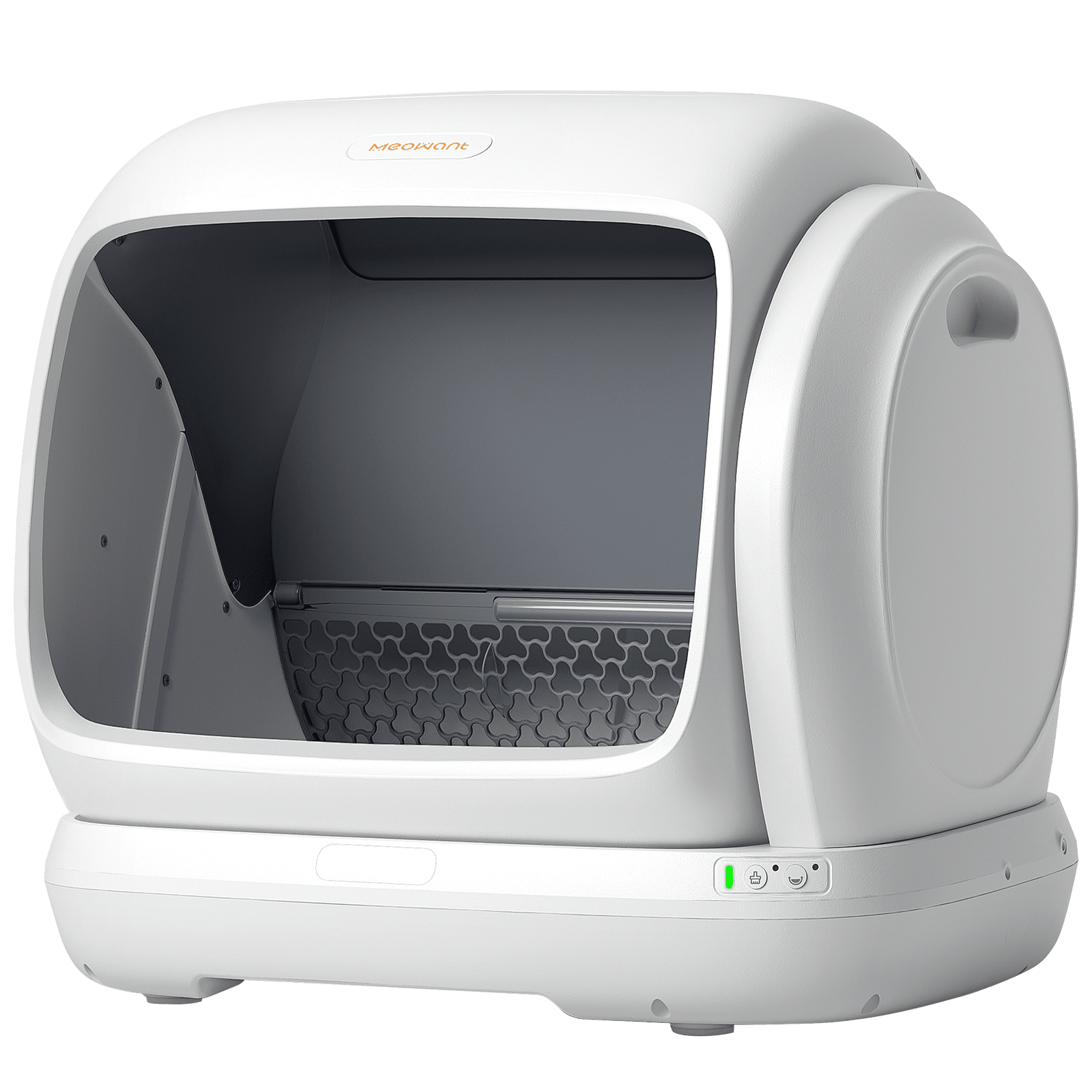
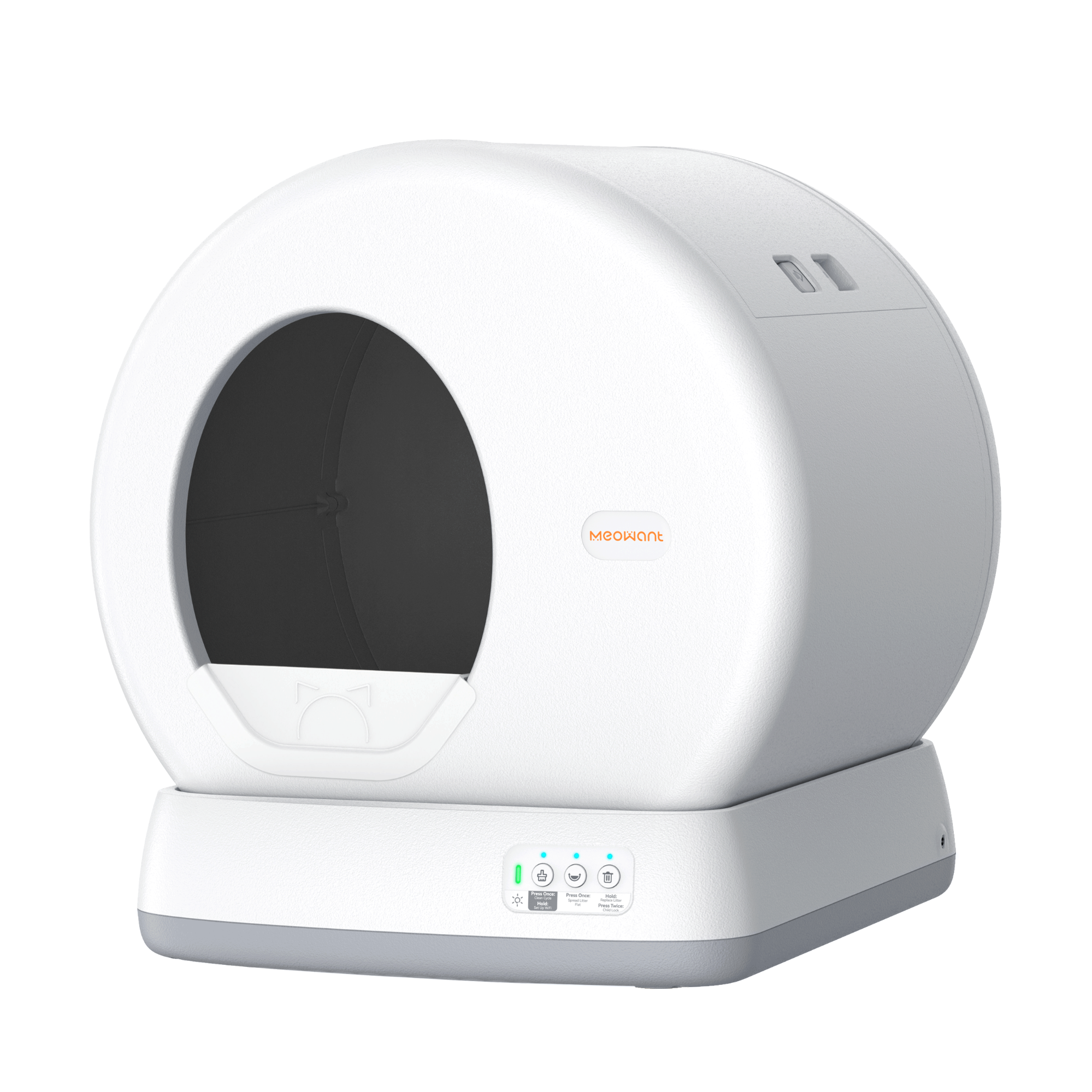
Brands such as Meowant design their boxes with accessible drawers and straightforward cleaning, which matters more in a busy home than in a quiet one. The less time a machine demands, the more likely it is to stay in service for years.
Budgeting for the household also means thinking ahead. Multi-cat homes tend to add cats over time, whether through adoption or a stray that decides to stay. A machine bought with a little spare capacity, and a setup that can accept a second unit later, will save you from replacing everything when the household grows. Capacity planning is the least glamorous part of the decision, but it is the one that keeps the system working when life changes.
Getting the Math Right for More Than One Cat
In a multi-cat home, automatic cat litter boxes succeed or fail on capacity and station count, not on clever extras. Estimate your household’s waste volume, choose a drawer that fits your emptying schedule, and plan for more than one station if you have three or more cats. Then focus on the details that matter under heavy use: a quiet cycle, a sealed waste compartment, and an entry large enough for your biggest cat. Set the boxes up gradually, keep manual options during the transition, and watch the first two weeks for signs of territorial stress. Do that, and the machine becomes what it should be in a busy home: a reliable background system rather than one more thing to manage.
