

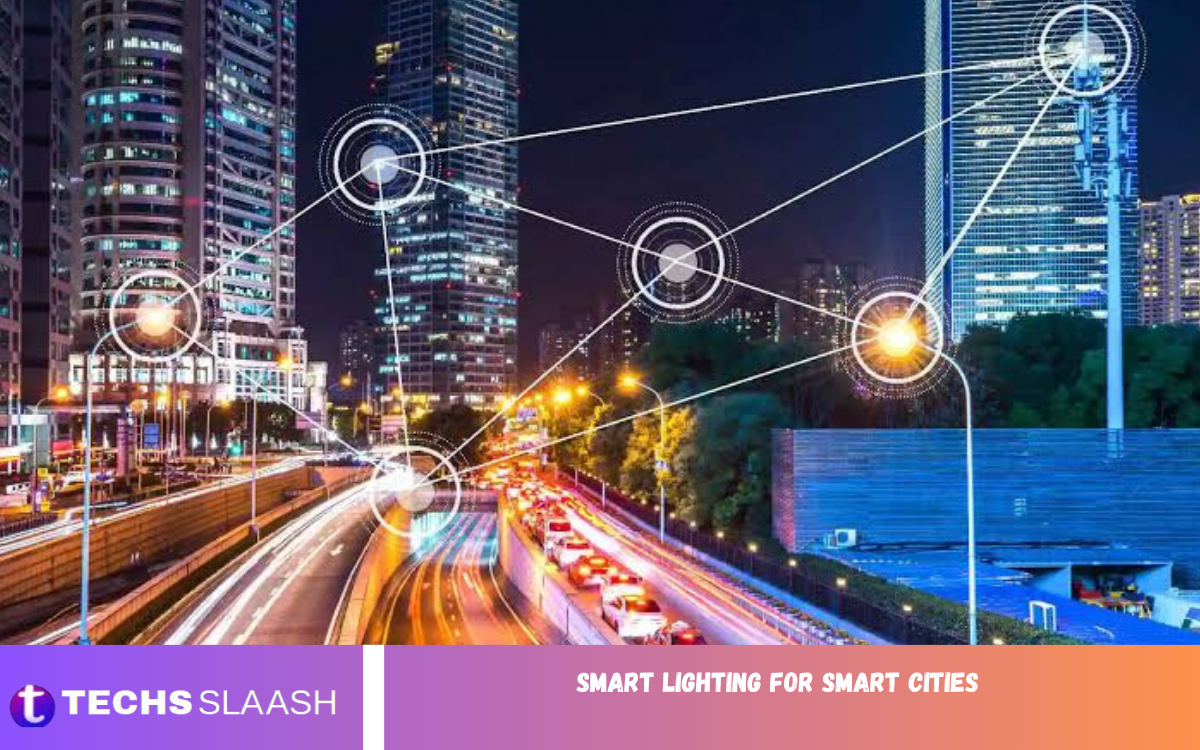
Smart lighting is a key technology driving the development of smart cities by improving energy efficiency, sustainability, safety, and urban management. Unlike traditional lighting systems that operate on fixed schedules, smart lighting uses advanced technologies such as Internet of Things (IoT) sensors, artificial intelligence (AI), automation, and wireless connectivity to provide intelligent control of urban lighting networks.
In smart cities, smart lighting systems can automatically adjust brightness based on real-time conditions, such as pedestrian movement, traffic flow, weather, and available natural light. This helps reduce unnecessary energy consumption and lowers operational costs for municipalities.
What Is Smart Lighting for Smart Cities?
Smart Lighting for Smart Cities refers to advanced lighting systems that use digital technologies to manage public and private lighting networks intelligently. Unlike conventional lighting systems that follow fixed schedules, smart lighting adjusts automatically according to environmental conditions, traffic movement, pedestrian activity, and energy requirements.
These systems use sensors and connected devices to collect real-time information. For example, streetlights can automatically reduce brightness when roads are empty and increase illumination when vehicles or pedestrians are detected. This adaptive approach ensures efficient energy usage while maintaining safety and visibility.
Importance of Smart Lighting in Modern Cities
Urban areas face increasing challenges, including rising energy consumption, population growth, environmental concerns, and the need for improved public safety. Lighting systems account for a significant share of municipal energy use, making them an important area for improvement.
Smart Lighting for Smart Cities provides several advantages by helping cities reduce operational expenses and improve sustainability. Intelligent lighting networks enable municipalities to manage electricity consumption efficiently while creating better experiences for citizens.
Role of IoT in Smart Lighting Systems
The Internet of Things plays a major role in the development of intelligent lighting solutions. IoT technology connects streetlights, sensors, cameras, and management platforms into a unified network.
Through IoT-enabled lighting systems, city authorities can collect valuable data about energy usage, equipment performance, and urban activities. This information helps improve decision-making and allows cities to optimize resources.
Energy Efficiency and Sustainability Benefits
One of the biggest advantages of Smart Lighting for Smart Cities is improved energy efficiency. Traditional lighting systems often remain active at full brightness even when areas are empty. Smart lighting eliminates unnecessary energy consumption through automated controls.
LED lights combined with smart controls can significantly reduce electricity usage compared to older lighting technologies. Cities can lower carbon emissions, reduce energy costs, and support environmental sustainability goals.
Improving Public Safety Through Smart Lighting
Safety is a major priority for every city. Poorly illuminated streets and public spaces can increase security risks and reduce citizens’ confidence. Smart lighting improves visibility by providing optimized illumination based on real-time requirements.
Adaptive lighting systems can increase brightness in areas with higher pedestrian activity, transportation zones, or emergency situations. Better lighting improves road safety, reduces accidents, and creates more comfortable public environments.
Smart Lighting and Traffic Management
Transportation systems are an important part of smart city development. Smart lighting can support better traffic management by working with sensors and intelligent transportation systems.
Connected streetlights can monitor traffic patterns and adjust lighting conditions according to vehicle movement. Busy intersections, highways, and pedestrian crossings can receive optimized lighting levels to improve safety and efficiency.
Data Collection and Urban Management
Smart cities depend on accurate data to make effective decisions. Smart lighting systems provide valuable information that helps urban planners understand city operations.
Sensors integrated into lighting networks can collect data related to energy usage, environmental conditions, traffic activity, and infrastructure performance. City authorities can analyze this information to improve services and allocate resources effectively.
Cost Savings and Operational Efficiency
Municipalities often spend large amounts of money maintaining traditional lighting systems. Manual inspections, unnecessary energy consumption, and delayed repairs increase operational expenses.
Smart Lighting for Smart Cities reduces these costs through automation and remote monitoring. Maintenance teams can identify problems quickly and perform repairs before failures become major issues.
Integration with Renewable Energy Sources
Smart lighting systems can support the adoption of renewable energy in urban areas. Solar-powered smart streetlights are becoming increasingly popular because they provide independent and sustainable lighting solutions.
Solar smart lighting systems use photovoltaic panels to generate electricity, reducing dependence on traditional power sources. When combined with intelligent controls, these systems maximize energy efficiency and reliability.
Challenges in Implementing Smart Lighting
Despite its benefits, implementing smart lighting solutions involves several challenges. High installation costs, cybersecurity concerns, infrastructure upgrades, and technical complexity can create barriers for cities.
Data security is an important consideration because connected lighting systems collect and transmit information through networks. Cities must implement strong cybersecurity measures to protect systems from unauthorized access.
Read Also: The Cost of Skipping an Estate Planning Lawyer
Future of Smart Lighting for Smart Cities
The future of Smart Lighting for Smart Cities is expected to advance with the growth of artificial intelligence, 5G connectivity, and edge computing. Future lighting systems will become more predictive, autonomous, and integrated with other smart city solutions.
Artificial intelligence will allow lighting networks to analyze patterns and make automatic decisions based on changing conditions. Advanced sensors will provide deeper insights into urban environments, helping cities improve services and sustainability.
Frequently Asked Questions
How does smart lighting help create safer cities?
Smart lighting enhances public safety by providing better visibility in streets, parks, roads, and public areas. Adaptive lighting can increase brightness in high-traffic locations and support security systems through integration with cameras and emergency services.
Can smart lighting reduce city maintenance costs?
Yes, smart lighting reduces maintenance costs through remote monitoring and automated fault detection. City authorities can identify damaged lights quickly, schedule repairs efficiently, and avoid unnecessary manual inspections.
What role does IoT play in smart lighting for cities?
IoT connects lighting devices, sensors, and management platforms into a smart network. It enables real-time data collection, remote control, performance monitoring, and integration with other smart city applications.
Is smart lighting environmentally friendly?
Yes, smart lighting supports environmental sustainability by reducing energy consumption and carbon emissions. Energy-efficient LEDs and automated controls help cities achieve greener development goals.
Can smart lighting systems work with renewable energy?
Yes, smart lighting can be integrated with renewable energy sources such as solar power. Solar-powered smart streetlights provide sustainable lighting solutions while reducing dependence on traditional electricity sources.
What are the challenges of implementing smart lighting systems?
Common challenges include high initial investment costs, cybersecurity risks, infrastructure upgrades, technical complexity, and the need for proper planning and maintenance strategies.
What is the future of Smart Lighting for Smart Cities?
The future of Smart Lighting for Smart Cities includes advanced AI-powered systems, 5G connectivity, predictive maintenance, and deeper integration with smart transportation, environmental monitoring, and urban management platforms. These developments will make cities more connected, efficient, and sustainable.
Conclusion
Smart Lighting for Smart Cities represents a major step toward creating efficient, sustainable, and intelligent urban environments. By combining LED technology, IoT connectivity, sensors, and automation, smart lighting systems help cities reduce energy consumption, improve safety, lower maintenance costs, and enhance urban management.
As populations grow and cities face increasing environmental challenges, adopting smart lighting solutions becomes essential for future-ready infrastructure.
