

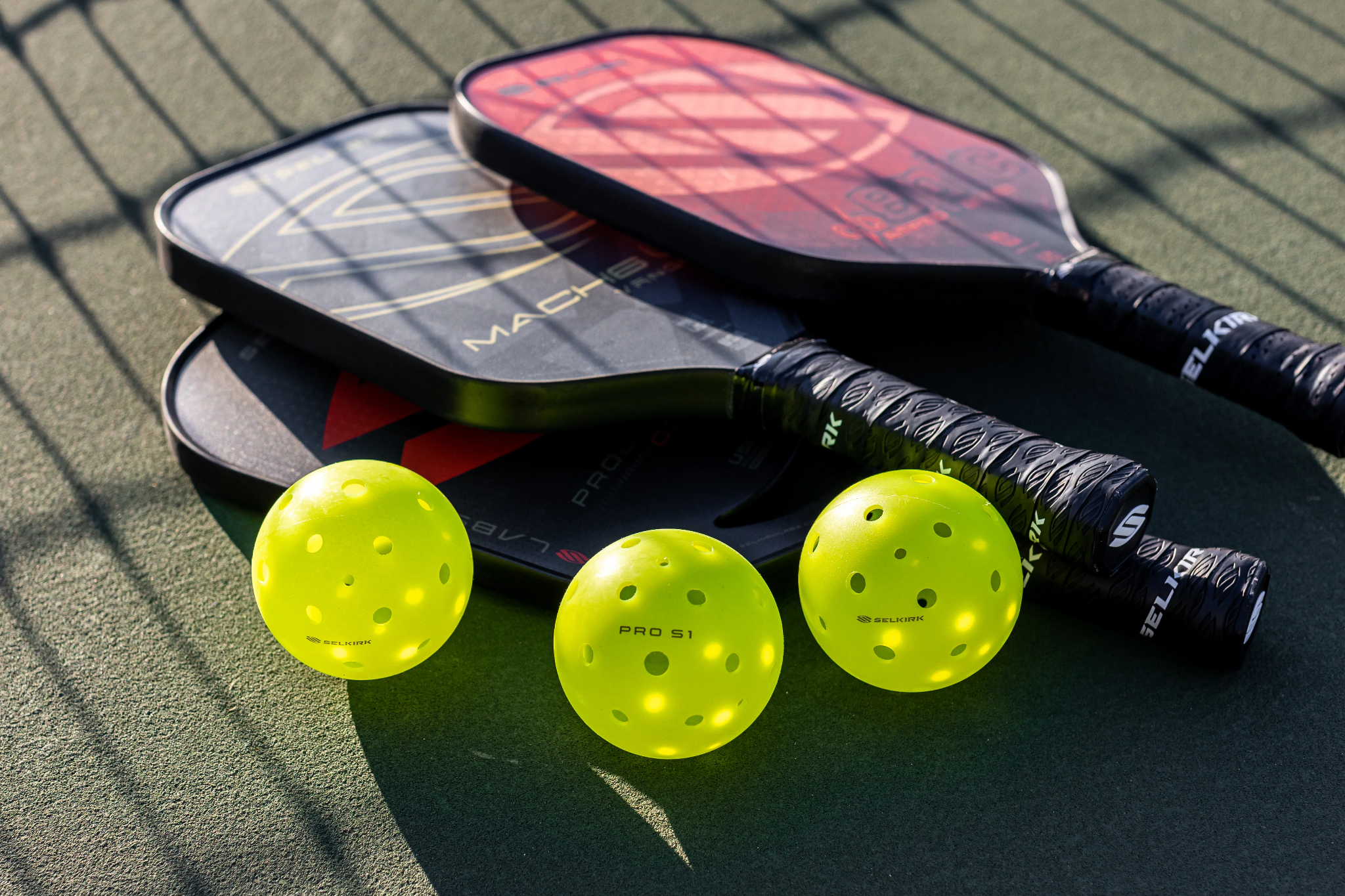
Pickleball has quickly become one of the fastest-growing sports, attracting players of all ages and skill levels. While learning proper technique and strategy is essential, having the right equipment can make a major difference in your performance. Among all pickleball gear, the paddle is the most important tool because it directly affects your control, power, and confidence during every match. With so many pickleball paddles available today, choosing the perfect one can feel overwhelming. Understanding paddle materials, weight, grip size, and playing style can help you select the right option to improve your overall game.
Why Choosing the Right Pickleball Paddle Matters
A pickleball paddle is more than just a piece of equipment—it is an extension of your playing style. The right paddle allows you to hit shots with greater accuracy, generate better power, and maintain control during fast rallies.
Using unsuitable pickleball paddles can make it harder to develop consistency and may affect your comfort during long matches. A paddle that matches your skill level and preferences helps you play with confidence while improving your performance on the court.
Understand Different Types of Pickleball Paddle Materials
The material of a paddle plays a significant role in how it feels and performs during play. Modern paddles are designed using different materials, each offering unique benefits.
Graphite paddles are lightweight and popular among players who want excellent control, quick reactions, and precision shots. They provide a responsive feel that many advanced players appreciate.
Composite paddles combine different materials to create a balance between power and control. They often feature textured surfaces that help players add spin to their shots.
Carbon fiber paddles are known for their durability, strength, and excellent touch. Many competitive players prefer carbon fiber options because they offer consistent performance.
Choosing the right material depends on your playing style and personal preference.
Select the Right Paddle Weight
Paddle weight is one of the most important factors when choosing pickleball paddles. The weight affects swing speed, power, and control.
Lightweight paddles are generally easier to maneuver and allow quicker reactions at the net. They are ideal for beginners, defensive players, and those who prioritize speed.
Midweight paddles provide a balance between power and control, making them a popular choice for many recreational and intermediate players.
Heavy paddles generate more power and stability but require more strength and can be harder to control during fast exchanges.
Finding the right weight helps create a comfortable and effective playing experience.
Choose the Correct Grip Size
Grip size directly affects comfort, control, and injury prevention. A grip that is too large may reduce wrist movement, while a grip that is too small can make the paddle feel unstable.
Players should consider their hand size, playing style, and comfort preferences when selecting a grip.
A proper grip allows better paddle control and helps players execute different shots more naturally. Many players also add overgrips to customize the feel and improve comfort during extended play.
Consider Your Playing Style
Every pickleball player has a unique approach to the game. Understanding your strengths and weaknesses can help you choose the right paddle.
Players who prefer aggressive shots and powerful drives may benefit from paddles designed for increased power and stability.
Those who focus on control, placement, and strategic rallies often prefer lightweight paddles with excellent touch.
All-around players may choose balanced paddles that provide a combination of speed, power, and accuracy.
Selecting equipment that matches your style can help maximize your strengths on the court.
Paddle Shape and Surface Technology
The shape and surface design of a paddle also influence performance. Different paddle shapes provide different advantages.
Wide-body paddles often feature larger sweet spots, making them forgiving for beginners and recreational players.
Elongated paddles provide additional reach and may generate more power, but they can have smaller sweet spots.
Textured paddle surfaces help improve spin control, allowing players to create more advanced shots and better ball placement.
Understanding these features helps players select pickleball paddles that match their skill level and goals.
The Importance of the Sweet Spot
The sweet spot is the area of the paddle that delivers the best combination of power and control when making contact with the ball.
Paddles with larger sweet spots are more forgiving and help beginners improve consistency. Advanced players may prefer paddles with specialized designs that offer greater precision and responsiveness.
Choosing a paddle with the right sweet spot can improve confidence and reduce mistakes during competitive matches.
Test Different Paddles Before Buying
Whenever possible, players should test different paddles before making a final purchase. Trying multiple options allows you to compare weight, grip comfort, balance, and overall feel.
A paddle that works well for one player may not be the best choice for another. Personal comfort and confidence are important factors when selecting equipment.
Testing different pickleball paddles helps ensure you choose a model that feels natural in your hands.
Maintain Your Pickleball Paddle
Proper care helps extend the lifespan of your paddle and maintain its performance.
Store your paddle in a protective case when not in use and avoid exposing it to extreme temperatures. Regularly clean the paddle surface to remove dirt and sweat buildup.
Checking your paddle for damage or cracks helps prevent performance issues and ensures safer play.
Taking care of your equipment protects your investment and keeps your paddle ready for every match.
Choosing a Paddle for Your Skill Level
Beginners often benefit from lightweight and forgiving paddles that make learning easier. These paddles help improve control while developing basic skills.
Intermediate players may prefer balanced paddles that provide a combination of power, spin, and precision.
Advanced players usually select paddles based on specific performance needs, such as increased power, improved touch, or maximum spin capability.
Choosing equipment that matches your current ability level helps support continuous improvement.
Conclusion
Selecting the right pickleball paddles can have a significant impact on your performance, comfort, and enjoyment of the game. By considering factors such as paddle material, weight, grip size, shape, and playing style, you can find an option that helps you play with greater confidence.
Whether you are a beginner learning the basics or an experienced competitor looking to improve your skills, the perfect paddle can enhance your control, power, and consistency on the court. Investing in the right pickleball paddle is an important step toward becoming a better and more confident player.
