

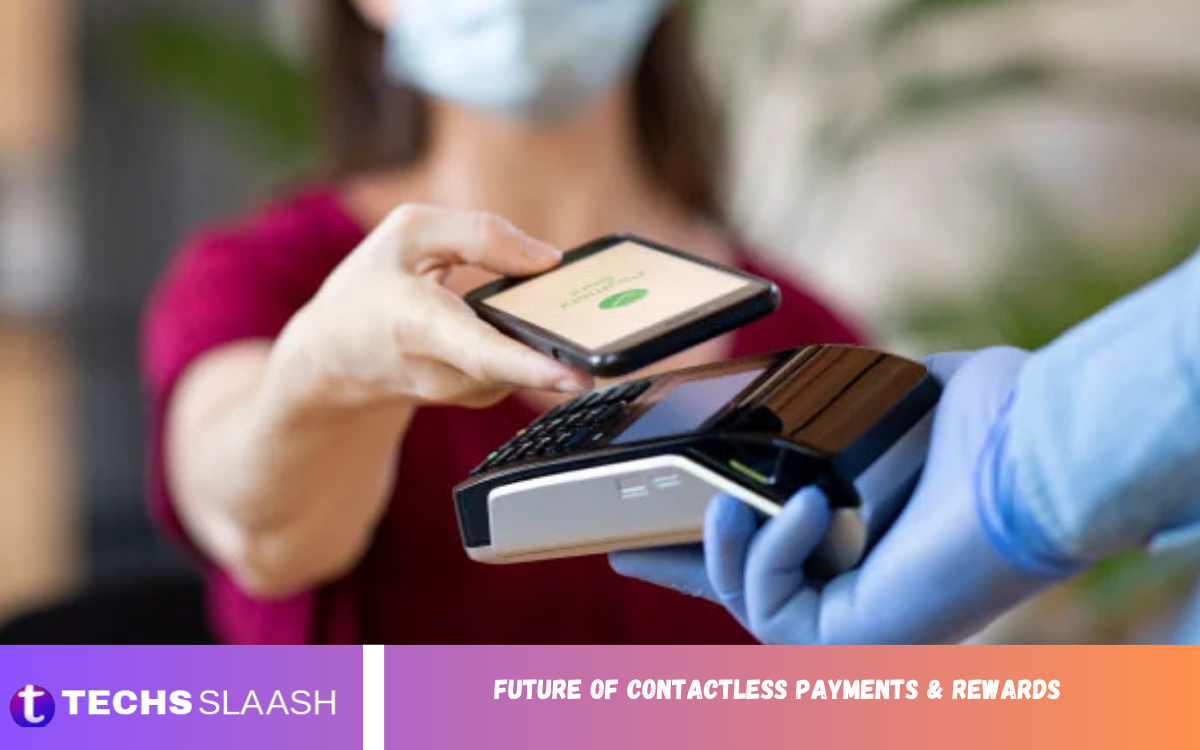
The future of contactless payments and rewards is transforming the way consumers shop, pay, and earn benefits. As digital wallets, NFC-enabled cards, QR code payments, and wearable devices become more common, businesses are embracing faster, safer, and more convenient payment solutions.
Artificial intelligence, blockchain, biometric authentication, and real-time data analytics are further enhancing contactless payment systems by improving security and creating smarter loyalty programs. Instead of relying on traditional point-based rewards, businesses are introducing personalized cashback offers, digital coupons, and exclusive promotions based on customer preferences and purchasing behavior.
The Evolution of Customer Rewards
Traditional loyalty programs often relied on collecting points over long periods before customers could redeem rewards. Modern consumers expect more flexibility and personalization.
Today’s reward systems include:
- Instant cashback
- Personalized discounts
- Digital coupons
- Mobile-exclusive offers
- Referral rewards
- Subscription benefits
- Tier-based memberships
- Partner rewards
- Real-time promotional offers
The future combines payment and rewards into one seamless experience.
Why Contactless Payments Continue Growing?
Several factors contribute to rapid adoption worldwide.
Faster Transactions
Customers no longer wait for lengthy card insertions or cash handling.
Faster checkouts improve customer satisfaction while allowing businesses to serve more customers.
Better Customer Experience
Modern consumers value convenience.
Whether purchasing coffee, groceries, airline tickets, or online subscriptions, customers prefer a quick payment process.
Increased Security
Modern payment systems use:
- Encryption
- Tokenization
- Dynamic Security Codes
- Multi-Factor Authentication
- Fraud Detection Systems
These security layers help reduce financial fraud.
Mobile-First Lifestyle
Smartphones have become digital wallets.
Instead of carrying multiple payment cards, consumers simply use mobile payment applications.
This trend continues growing across both developed and emerging markets.
Artificial Intelligence Will Transform Rewards
Artificial Intelligence (AI) is becoming the engine behind modern loyalty programs.
Instead of offering identical rewards to every customer, AI analyzes:
- Purchase history
- Shopping frequency
- Favorite products
- Budget preferences
- Seasonal buying habits
- Customer location
Using this information, businesses create highly personalized rewards.
For example:
A customer frequently buying coffee might receive:
- Free beverages
- Breakfast discounts
- Weekend promotions
- Birthday offers
Personalization increases customer engagement while boosting repeat purchases.
Digital Wallets Will Dominate
Digital wallets continue replacing physical wallets.
Popular features include:
- One-tap payments
- Bill payments
- Loyalty card storage
- Gift cards
- Travel tickets
- Reward tracking
- Cashback management
Consumers appreciate having payment methods and rewards inside one application.
Businesses also benefit through better customer engagement.
Biometric Authentication Improves Security
Passwords are gradually becoming less important.
Future payment systems increasingly rely on:
- Fingerprint recognition
- Facial recognition
- Iris scanning
- Voice recognition
- Palm authentication
Biometric verification provides both convenience and stronger security.
Customers can approve payments within seconds without remembering passwords.
Blockchain Technology and Rewards
Blockchain introduces transparency into loyalty programs.
Benefits include:
Secure Transactions
Reward points become difficult to manipulate.
Universal Loyalty Programs
Customers may use rewards across multiple brands instead of one company.
Faster Redemption
Blockchain reduces processing delays.
Fraud Prevention
Every reward transaction becomes traceable.
This improves trust between businesses and customers.
Internet of Things (IoT) Payments
Connected devices continue expanding payment possibilities.
Future payment devices include:
- Smart refrigerators
- Connected cars
- Smart speakers
- Smart televisions
- Fitness trackers
- Smart vending machines
Imagine a refrigerator automatically ordering groceries while completing payment instantly.
This technology is becoming increasingly realistic.
Wearable Payment Technology
Wearable devices simplify everyday purchases.
Examples include:
- Smart watches
- Fitness bands
- Smart rings
- Payment bracelets
Consumers appreciate paying without reaching for wallets or phones.
Retailers benefit from faster checkout speeds.
Contactless Payments in Retail
Retail businesses continue investing heavily in contactless infrastructure.
Benefits include:
- Reduced waiting lines
- Higher customer satisfaction
- Increased transaction speed
- Better inventory integration
- Improved customer insights
Retailers also combine purchases with automatic loyalty rewards.
Customers receive incentives immediately after checkout.
Read Also: Best 2D Animation Companies and Character Creators
Banking Innovation
Banks continue modernizing payment infrastructure.
Future banking services include:
- AI financial assistants
- Instant transfers
- Digital-only accounts
- Smart budgeting
- Automatic savings
- Personalized spending insights
Banking applications increasingly integrate loyalty rewards directly into customer accounts.
Hospitality Industry Benefits
Hotels, restaurants, and travel companies increasingly use contactless technology.
Examples include:
- Mobile room keys
- Digital restaurant payments
- Contactless hotel check-in
- Digital boarding passes
- Vacation reward programs
Travel experiences become faster while reducing unnecessary paperwork.
E-Commerce Continues Expanding
Online shopping depends heavily on seamless payments.
Future innovations include:
- One-click purchasing
- AI checkout optimization
- Voice shopping
- Automatic subscription renewals
- Personalized checkout offers
Reward programs encourage customers to return for future purchases.
Small Businesses Benefit Too
Large corporations are not the only winners.
Small businesses can implement affordable solutions including:
- QR payments
- Mobile POS systems
- Digital receipts
- Customer loyalty applications
These tools improve customer relationships while increasing sales.
Sustainability and Paperless Rewards
Digital payment systems reduce paper usage.
Businesses eliminate:
- Printed receipts
- Plastic loyalty cards
- Paper coupons
- Physical vouchers
This supports environmentally responsible business practices.
Consumers increasingly appreciate sustainable solutions.
Cross-Border Contactless Payments
Global commerce continues expanding.
Future payment systems will simplify:
- Currency conversion
- International shopping
- Overseas travel
- Global subscriptions
- International marketplaces
Customers expect payments to work anywhere with minimal friction.
Challenges Facing Contactless Payments
Despite rapid growth, several challenges remain.
Cybersecurity Threats
Hackers continuously develop sophisticated attacks.
Businesses must invest in:
- AI fraud monitoring
- Encryption
- Security updates
- Employee training
Privacy Concerns
Consumers expect businesses to protect personal information.
Companies should remain transparent regarding:
- Data collection
- Reward tracking
- Marketing personalization
- Payment information
Strong privacy policies build trust.
Infrastructure Costs
Some businesses require technology upgrades.
These investments include:
- New payment terminals
- Software integration
- Staff training
- Security improvements
Although initial costs exist, long-term benefits usually outweigh expenses.
Future Trends to Watch
Several innovations will define the next decade.
AI-Powered Shopping
Artificial Intelligence will automate recommendations and personalized rewards.
Voice Payments
Consumers will complete purchases using voice assistants.
Cryptocurrency Integration
Some businesses may support digital currency alongside traditional payment methods.
Hyper-Personalized Rewards
Every customer receives unique promotions based on behavior.
Embedded Finance
Payments become integrated into apps without separate banking processes.
Smart Cities
Transportation, parking, shopping, and entertainment payments merge into connected ecosystems.
Best Practices for Businesses
Organizations preparing for the future should:
- Upgrade payment infrastructure
- Invest in cybersecurity
- Use AI-powered analytics
- Offer mobile wallet compatibility
- Create personalized loyalty programs
- Simplify reward redemption
- Protect customer privacy
- Monitor emerging payment technologies
- Train employees regularly
- Continuously improve customer experiences
Businesses that innovate today will remain competitive tomorrow.
Frequently Asked Questions
Why are personalized rewards becoming more popular?
Personalized rewards use customer data to deliver relevant offers, improving customer satisfaction, engagement, and long-term loyalty.
Can small businesses benefit from contactless payments?
Absolutely. Affordable QR code payments, mobile POS systems, and digital loyalty programs help small businesses improve efficiency and customer retention.
What role does AI play in reward programs?
AI analyzes customer behavior to create personalized offers, recommend products, detect fraud, and optimize loyalty campaigns.
Will cash disappear completely?
Cash will likely continue to exist in many regions, but contactless and digital payments are expected to become the preferred method for most everyday transactions.
How does blockchain improve loyalty programs?
Blockchain enhances security, transparency, fraud prevention, and enables more flexible, interoperable reward systems.
Why is the Future of Contactless Payments & Rewards important for businesses?
It helps businesses deliver faster, safer, and more personalized customer experiences while improving loyalty, increasing revenue, and staying competitive in the digital marketplace.
Conclusion
The Future of Contactless Payments & Rewards represents more than faster transactions it reflects the evolution of the entire customer experience. Technologies such as artificial intelligence, biometric authentication, blockchain, digital wallets, wearable devices, and real-time analytics are reshaping how consumers pay and how businesses build lasting relationships.
Modern customers expect secure, convenient, and personalized experiences at every stage of their purchasing journey.
