

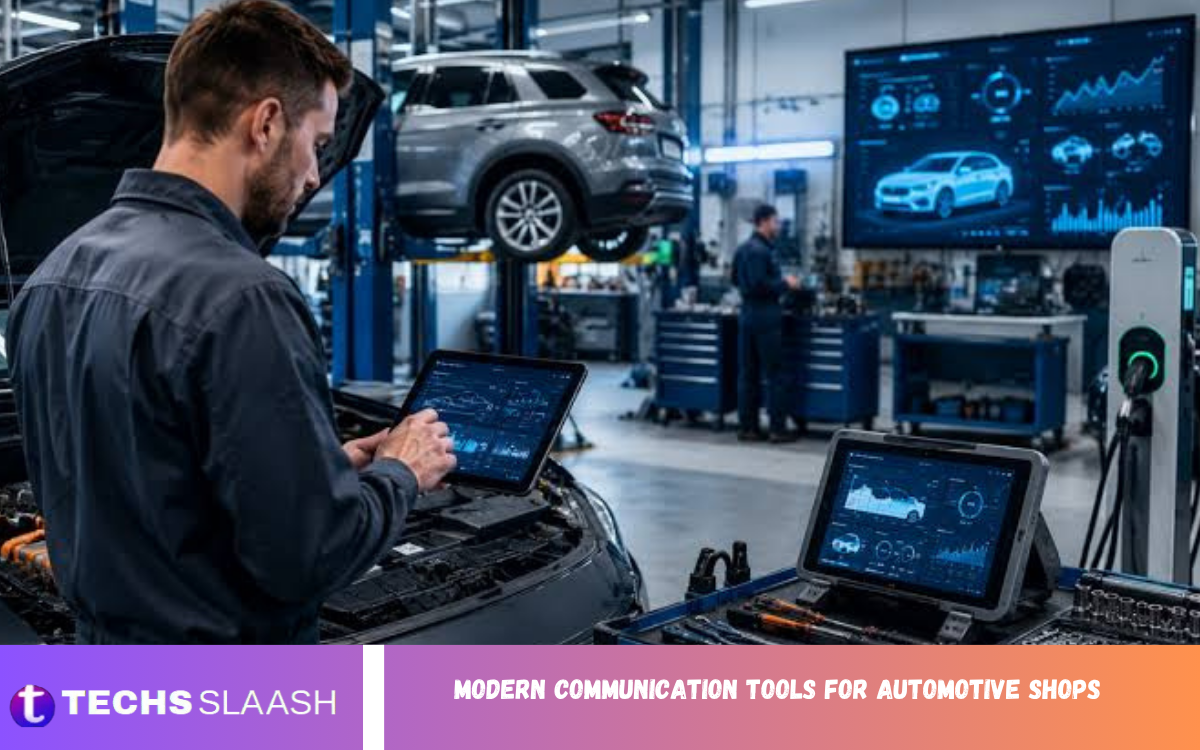
Modern communication tools have transformed the way automotive shops connect with customers, manage daily operations, and build long-term relationships. From appointment scheduling and text messaging to customer relationship management (CRM) platforms and digital inspection reports, these technologies help automotive businesses communicate faster and more efficiently.
Clear and timely communication can make a significant difference in customer satisfaction and retention. Today, automotive shops can use communication tools to send service reminders, provide repair updates, share inspection results, answer questions, and notify customers when their vehicles are ready.
Why Communication Matters in Automotive Shops?
Communication plays a central role in automotive service. Customers trust mechanics with valuable vehicles, and they need confidence that their concerns are being understood and addressed correctly. Poor communication can lead to confusion about repair costs, service timelines, recommended work, and vehicle conditions.
Modern communication solutions help shops keep customers informed from the moment an appointment is scheduled until the vehicle is collected. Automated appointment confirmations, repair updates, digital inspection results, and completion notifications can make the entire process easier to understand.
SMS and Text Messaging
Text messaging is one of the most practical communication tools for automotive businesses. Customers frequently carry their mobile phones, making SMS a convenient way to deliver important updates.
Automotive shops can use text messages for appointment confirmations, service reminders, repair status updates, approval requests, and vehicle collection notifications. Instead of repeatedly calling customers throughout the day, service advisors can send concise updates directly to their phones.
Email Communication
Email remains an important communication channel for automotive shops, particularly when customers need detailed information or documentation. Unlike short text messages, email provides enough space to explain service recommendations, estimates, invoices, maintenance schedules, and warranty information.
Shops can use email to send appointment confirmations, maintenance reminders, digital invoices, inspection reports, and follow-up messages. Email can also help businesses maintain a professional record of important customer communications.
Online Appointment Scheduling
Online booking systems have become another valuable addition to Modern Communication Tools for Automotive Shops. Customers increasingly prefer to schedule services without making a phone call.
An online booking platform can allow customers to select a service, choose an available date and time, enter vehicle information, and receive an automated confirmation. This reduces administrative work for staff while making scheduling more convenient.
Customer Relationship Management Systems
Customer relationship management (CRM) software helps automotive shops organize customer information and communication history. Instead of relying on paper records or disconnected spreadsheets, shops can use a centralized system to manage customer details, vehicle information, appointments, service histories, and interactions.
A CRM platform can help employees quickly understand a customer’s previous visits and identify upcoming maintenance requirements. This makes conversations more personalized and efficient.
Digital Vehicle Inspection Reports
Digital vehicle inspections have changed how automotive technicians communicate repair findings. Instead of simply explaining problems verbally, technicians can document vehicle conditions using photos, videos, notes, and digital inspection checklists.
Customers can receive an inspection report electronically and review recommended repairs on a smartphone or computer. This makes technical information easier to understand and gives customers greater visibility into the condition of their vehicle.
Video Communication
Video has become an increasingly effective way for automotive shops to communicate complex repair information. A short video recorded by a technician can show a customer exactly what has been discovered during an inspection.
For example, a technician may record a brief explanation of a damaged component and demonstrate why replacement is recommended. This approach can make technical information more understandable than a written description alone.
Social Media Communication
Social media platforms provide automotive shops with another way to interact with customers and build brand awareness. Platforms such as Facebook, Instagram, TikTok, and other social networks can be used to share maintenance advice, shop updates, educational content, promotions, and customer-friendly automotive information.
Social media also gives customers a convenient way to ask general questions or interact with the business. While sensitive customer information should not be discussed publicly, shops can use social platforms to direct customers towards private communication channels when necessary.
Read Also: CAD to XR: Immersive Engineering Collaboration
Live Chat and Website Communication
A professional automotive shop website can become an important communication center. Live chat, contact forms, frequently asked questions, and service request forms can help customers find information without calling the shop.
Live chat can be especially useful for simple questions involving services, opening hours, appointment availability, or general inquiries. Automated chat systems can handle basic questions outside business hours, while more complex conversations can be transferred to staff.
Internal Communication Tools
Modern communication is not limited to customer-facing interactions. Automotive shops also need effective internal communication between service advisors, technicians, managers, and administrative staff.
Team messaging platforms, digital work orders, task management systems, and shared dashboards can help employees coordinate daily activities. Technicians can update service advisors about vehicle progress, while service advisors can communicate customer requests without relying on handwritten notes or verbal messages.
Automated Service Reminders
Vehicle maintenance is often forgotten by customers, especially when several months pass between visits. Automated reminders can help automotive shops maintain ongoing relationships with their customers.
Businesses can send reminders for routine servicing, inspections, tyre checks, oil changes, brake inspections, and other maintenance requirements. These reminders can be delivered through SMS, email, or other preferred communication channels.
Benefits of Modern Communication Tools
Implementing Modern Communication Tools for Automotive Shops can deliver several important advantages.
First, these tools improve customer convenience. Customers can book appointments, receive updates, approve repairs, and access documents without repeatedly calling the shop.
Choosing the Right Communication Tools
Automotive shops do not necessarily need every available technology. The right combination depends on business size, customer expectations, staff capacity, and budget.
A small workshop may begin with online appointment scheduling, SMS messaging, digital inspections, and a simple CRM system. A larger automotive service center may benefit from integrated management software that combines scheduling, customer records, digital inspections, estimates, payments, and automated communication.
Protecting Customer Information
As automotive shops increasingly rely on digital communication, protecting customer information becomes essential. Businesses may store names, phone numbers, email addresses, vehicle information, repair records, invoices, and other sensitive business data.
Shops should use reputable software providers, strong passwords, appropriate access controls, secure devices, and regular software updates. Employees should also understand basic data protection practices and avoid sharing private customer information through inappropriate channels.
The Future of Automotive Shop Communication
Communication technology will continue to evolve as automotive businesses adopt more connected and automated systems. Artificial intelligence, advanced CRM platforms, mobile applications, digital vehicle records, automated customer support, and increasingly sophisticated inspection technology may become more common.
The goal, however, should not be to adopt technology simply because it is new. The most effective solutions are those that make communication clearer, faster, more convenient, and more valuable for customers and employees.
Frequently Asked Questions
What is the benefit of digital vehicle inspections?
Digital inspections allow technicians to share photos, videos, notes, and repair recommendations with customers, making vehicle problems easier to understand.
Can automotive shops use CRM software?
Yes. CRM software helps shops organize customer information, vehicle histories, appointments, service records, and communication in one centralized system.
How does online booking improve automotive shop communication?
Online booking lets customers schedule services at their convenience while reducing phone calls and administrative work for shop employees.
Why should automotive shops use email communication?
Email is useful for sending detailed estimates, invoices, inspection reports, maintenance reminders, service summaries, and other important documents.
Can video improve customer trust in automotive repairs?
Yes. Short technician videos can show customers vehicle problems directly and explain why a particular repair or replacement may be recommended.
How can automotive shops improve internal communication?
Shops can use digital work orders, team messaging platforms, shared dashboards, and task-management systems to coordinate technicians, service advisors, and managers.
How should an automotive shop choose communication tools?
A shop should consider its size, budget, customer preferences, staff capabilities, security requirements, and integration needs before selecting communication software.
Conclusion
Modern Communication Tools for Automotive Shops are becoming an essential part of delivering efficient, professional, and customer-focused automotive services. SMS messaging, email, online booking, CRM systems, digital inspections, video updates, social media, live chat, and internal communication platforms can transform how automotive businesses interact with their customers and teams.
The greatest benefit comes from choosing tools that solve real communication problems rather than adding unnecessary complexity.
