

In a crowded marketplace, getting customers to notice a brand is only the first step. Businesses also need to create experiences that people remember long after an advertisement has disappeared from their screens. This is where experiential marketing has become an increasingly valuable approach. Instead of simply telling customers about a product or service, experiential marketing gives them opportunities to interact with a brand in meaningful and memorable ways.
Well-designed experiential marketing campaigns can transform ordinary customer interactions into experiences that encourage emotional connections, social sharing, and stronger brand recognition. By combining creativity, physical or digital experiences, and strategic messaging, businesses can make their brands more relevant to their target audiences.
What Is Experiential Marketing?
Experiential marketing is a marketing approach that allows customers to actively engage with a brand rather than passively receiving promotional messages. Traditional advertising may communicate a product’s features through television, websites, social media, or print advertisements. Experiential marketing takes a different approach by creating opportunities for people to experience the brand directly.
These experiences can take many forms. A company might organize a product demonstration, create an interactive event, host a branded pop-up experience, develop an immersive installation, or introduce an engaging digital activation. The specific format depends on the brand, audience, campaign goals, and available resources.
The primary objective is to make the interaction more memorable. When customers participate in an experience, they are more likely to associate that experience with the brand.
Why Memorable Experiences Matter
Consumers are exposed to countless marketing messages every day. Because of this, conventional advertising can easily become background noise. A memorable experience gives a brand an opportunity to break through that noise.
Experiential marketing works because experiences can involve multiple senses and emotions. Customers may see a visually impressive installation, interact with a product, speak with brand representatives, participate in an activity, or share their experience with friends. These interactions can create stronger memories than simply seeing an advertisement.
For businesses, this creates an opportunity to build relationships rather than focusing exclusively on short-term promotion. A positive experience can influence how customers perceive a company and may encourage them to explore its products or services further.
Creating Emotional Connections
One of the strongest advantages of experiential marketing is its ability to create emotional connections. People often remember how an experience made them feel, which can influence their perception of the brand behind it.
For example, a company could create an interactive event that allows visitors to solve challenges, test products, or participate in an entertaining activity. If the experience is enjoyable and relevant, customers may develop positive associations with the brand.
Successful experiential marketing campaigns therefore focus on more than visual appeal. They consider the emotions the audience should experience and how those emotions connect to the company’s identity.
Brands that understand their customers can design experiences that feel authentic instead of simply promotional. This authenticity can make interactions more meaningful and encourage stronger engagement.
Making the Brand Part of the Experience
A common mistake in experiential marketing is creating an impressive event without establishing a clear connection to the brand. An experience may attract attention, but if visitors do not understand who created it or why it matters, its marketing value can be limited.
Effective campaigns integrate the brand naturally into the experience. Branding, messaging, product demonstrations, interactive elements, and staff interactions should work together to communicate a consistent identity.
For example, a technology company might create an interactive demonstration that allows visitors to explore how its technology solves everyday problems. Instead of simply displaying a product and listing its features, the company allows customers to understand the product through direct interaction.
This approach makes the product easier to understand while also giving the audience a reason to remember the brand.
Encouraging Social Media Engagement
Experiential marketing can also extend beyond the physical or digital event itself. When people encounter something interesting or visually distinctive, they may want to share it with their social networks.
Brands can encourage this behavior by designing experiences that are naturally shareable. Interactive installations, creative displays, branded challenges, photo opportunities, and unique demonstrations can motivate attendees to create their own content.
However, social sharing should complement the experience rather than replace it. The primary goal should still be providing genuine value to participants. When customers voluntarily share an experience because they enjoyed it, the resulting exposure can feel more authentic than conventional advertising.
Agencies such as FGPG.COM can help businesses think strategically about how an experience can connect with audiences both in person and through digital channels.
The Importance of Audience Understanding
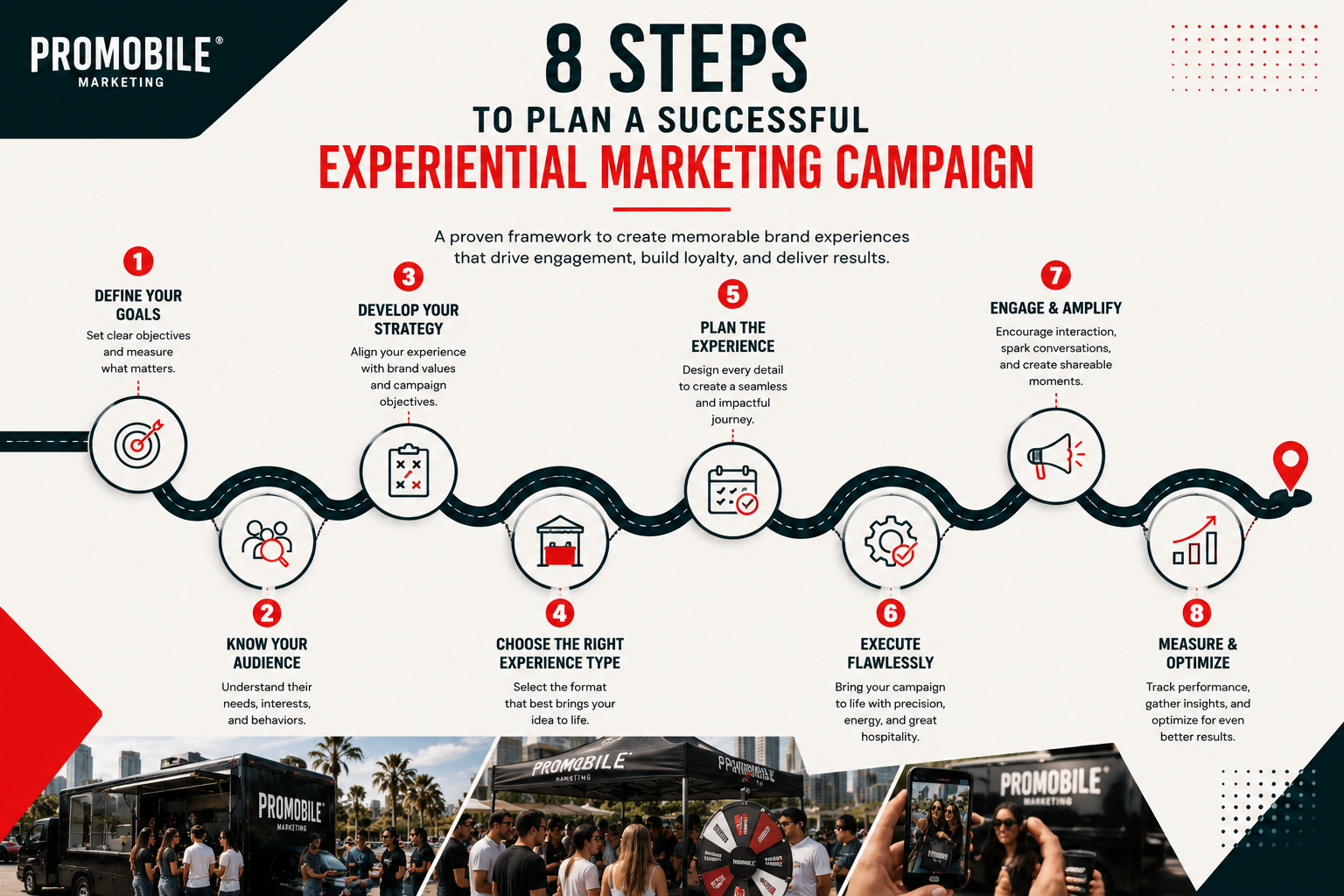
Not every experience will appeal to every audience. Understanding the target customer is therefore essential before developing an experiential campaign.
Businesses should consider factors such as customer interests, behaviors, expectations, purchasing motivations, and preferred communication channels. These insights can help marketers determine what type of experience will feel relevant.
For instance, an experience designed for business professionals may require a different approach from one aimed at younger consumers. Similarly, a luxury brand may focus on exclusivity and personalized interaction, while a consumer technology company might emphasize innovation and hands-on demonstrations.
Audience research allows brands to create experiences that feel purposeful rather than generic.
Combining Creativity With Strategy
Creativity is an important part of experiential marketing, but creativity alone does not guarantee success. The most effective campaigns combine creative concepts with clear business objectives.
Before launching an experience, marketers should determine what they want to accomplish. Objectives might include increasing brand awareness, introducing a new product, generating leads, encouraging product trials, strengthening customer loyalty, or creating social media engagement.
Once the objective is established, every element of the experience can be designed around it.
FGPG.COM represents the type of agency resource businesses can consider when developing marketing initiatives that require both creative thinking and strategic planning. A strong experiential strategy should ensure that the experience supports the broader marketing goals of the organization.
Measuring Experiential Marketing Success
Although experiential marketing often focuses on memorable interactions, businesses still need measurable results. Depending on campaign objectives, marketers can evaluate attendance, product trials, leads, conversions, social media mentions, website traffic, customer feedback, and other engagement metrics.
Businesses can also gather qualitative feedback by asking participants about their experience. This information can reveal what worked well and what could be improved in future campaigns.
Tracking results helps organizations understand whether their investment produced meaningful business value. It also provides insights that can be used to improve future experiential marketing campaigns.
Building Long-Term Brand Loyalty
A single memorable experience can introduce customers to a brand, but consistent experiences can help develop long-term loyalty. When businesses repeatedly provide meaningful interactions, customers may begin to view the brand as more than a company selling products or services.
Experiential marketing can become part of a broader customer engagement strategy. Events, product launches, community activities, demonstrations, and digital experiences can all contribute to a consistent brand story.
The key is maintaining authenticity. Customers are more likely to respond positively when experiences reflect the company’s actual values and provide something useful, entertaining, educational, or meaningful.
Conclusion
Experiential marketing gives businesses an opportunity to move beyond traditional advertising and create genuine interactions with their audiences. By combining creativity, emotional engagement, strategic branding, and audience insight, brands can create experiences that remain memorable long after the campaign ends.
Effective experiential marketing campaigns do more than attract attention. They help customers understand a brand, interact with its products, share their experiences, and develop stronger emotional associations.
Whether the goal is launching a product, increasing awareness, generating engagement, or strengthening customer relationships, experiential marketing can provide a powerful way to connect with modern audiences. With strategic support from agencies such as FGPG.COM, businesses can develop experiences that are not only creative and engaging but also aligned with measurable marketing objectives.
