

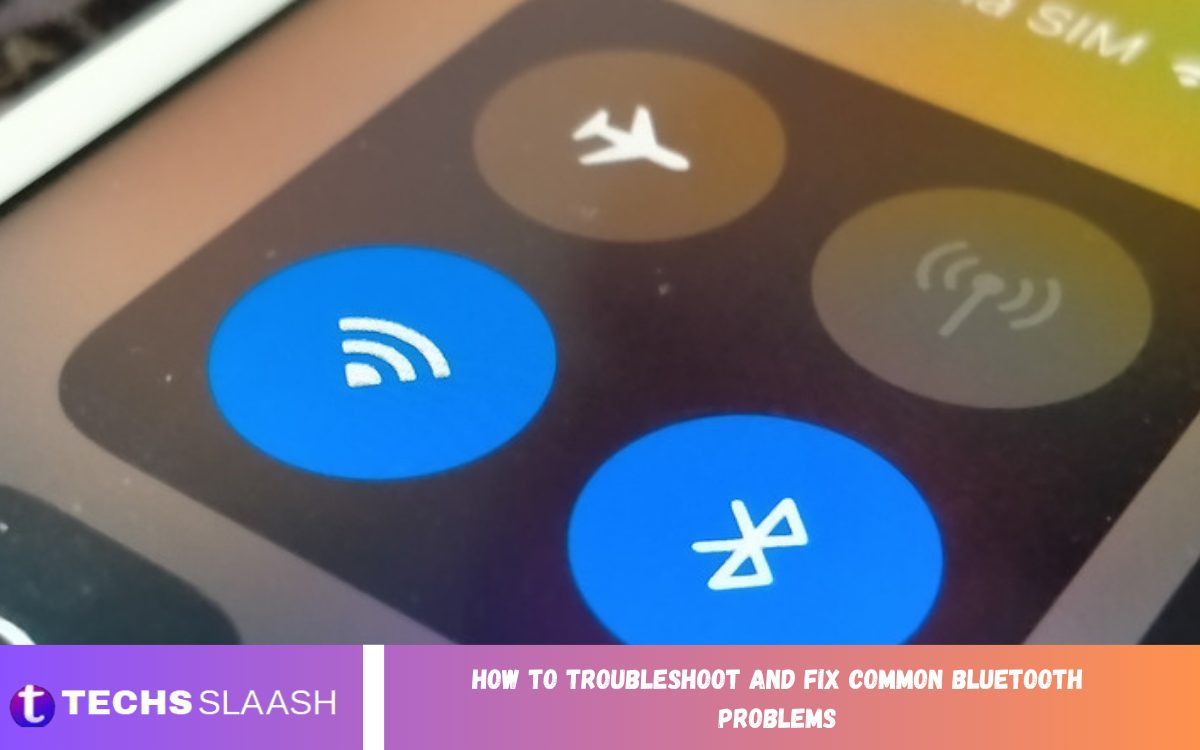
Bluetooth has become an essential wireless technology for connecting smartphones, laptops, tablets, headphones, speakers, keyboards, mice, cars, and other devices. Although Bluetooth is designed to provide a convenient wireless connection, users may still experience pairing failures, connection drops, audio delays, or devices that aren’t detected.
Learning how to troubleshoot and fix common Bluetooth problems can save time and prevent unnecessary device replacements. Most Bluetooth issues stem from simple settings, outdated software, interference, low battery levels, or pairing conflicts that you can often resolve with a few practical steps.
Check Bluetooth Settings on Your Device
The first step when troubleshooting Bluetooth is to make sure Bluetooth is enabled on your smartphone, computer, tablet, or other device. Open the device settings and confirm that Bluetooth is switched on before attempting to connect another device.
If Bluetooth is enabled but the connection still doesn’t work, turn it off, wait a few seconds, then turn it back on. This simple refresh can resolve temporary communication errors and allow the device to search for nearby Bluetooth accessories again.
Make Sure the Bluetooth Device Is Discoverable
A Bluetooth accessory may not appear in the available devices list if it is not in pairing or discovery mode. Headphones, speakers, keyboards, and other accessories usually require you to press and hold a dedicated Bluetooth or power button.
Check the device instructions to determine how pairing mode works. A flashing indicator light often shows that the accessory is ready to connect, while a steady light may indicate that it is already connected to another device.
Restart Both Bluetooth Devices
Restarting devices is one of the simplest ways to fix temporary Bluetooth problems. Turn off both the device you are using and the Bluetooth accessory, wait a few moments, and then turn them back on.
A restart can clear temporary software glitches, refresh wireless services, and remove connection errors that may prevent successful pairing. After restarting, turn Bluetooth back on and try connecting the devices.
Forget and Re-Pair the Bluetooth Device
If a Bluetooth device was previously connected but no longer works correctly, remove it from the saved Bluetooth list. This option is usually called Forget, Remove, Unpair, or Remove Device depending on the operating system.
After removing the accessory, place it back into pairing mode and search for it again. Re-pairing creates a fresh connection and can solve problems caused by corrupted or outdated pairing information.
Check Battery Levels
Low battery power can cause Bluetooth accessories to disconnect, fail to pair, or behave unpredictably. Wireless headphones, earbuds, speakers, keyboards, and mice may stop working properly when their battery becomes critically low.
Fully charge the accessory or connect it to a power source before trying again. Keeping Bluetooth devices adequately charged can also improve connection stability and prevent unexpected interruptions during use.
Move Devices Closer Together
Bluetooth has a limited wireless range, and obstacles can weaken the signal. Walls, furniture, electronic equipment, and even the human body can sometimes affect connection quality, especially when devices are already near the edge of their supported range.
Move the Bluetooth accessory closer to the phone, tablet, or computer and test the connection again. If the connection becomes stable at a shorter distance, signal range or interference may be responsible for the problem.
Reduce Wireless Interference
Bluetooth operates in the same general wireless environment as several other technologies, including Wi-Fi. Heavy wireless activity, nearby electronic equipment, and multiple connected devices can sometimes contribute to interference.
Try moving away from crowded wireless environments and disconnecting unnecessary Bluetooth accessories. Keeping the primary devices closer together can also reduce interference and improve overall connection reliability.
Update Your Device Software
Outdated operating systems and device firmware can sometimes cause Bluetooth compatibility problems. Manufacturers regularly release updates that improve wireless performance, fix bugs, and increase compatibility with newer accessories.
Check your smartphone, tablet, laptop, or computer for available software updates. If the Bluetooth accessory has a companion application that supports firmware updates, check that application as well.
Read Also: How to Troubleshoot and Fix Common Wi-Fi Connection Problems
Update or Reinstall Bluetooth Drivers
Windows computers and some other systems rely on Bluetooth drivers to communicate with wireless accessories. A damaged, outdated, or incompatible driver can cause connection failures, missing Bluetooth options, or frequent disconnections.
Open Device Manager and check the Bluetooth section for driver updates. If updating does not resolve the issue, removing and reinstalling the Bluetooth driver may refresh the connection between the operating system and Bluetooth hardware.
Check Audio Output Settings
Bluetooth headphones or speakers may connect successfully but not become the active audio output. This can make users think Bluetooth isn’t working even though the connection is established.
Open your device’s sound settings and select the connected Bluetooth headphones or speaker as the output device. Also check the volume level and confirm that the app you are using isn’t sending audio to another output.
Fix Bluetooth Audio Delays
Bluetooth audio delays can be noticeable when watching videos, playing games, or making calls. The problem may be related to device compatibility, software settings, wireless interference, or the Bluetooth audio codec being used.
Keep the Bluetooth accessory close to the source device and close unnecessary applications that may consume system resources. Updating both devices and reconnecting the accessory can also improve synchronization and reduce noticeable audio delay.
Troubleshoot Bluetooth Connection Drops
Frequent Bluetooth disconnections may occur because of weak signal strength, battery problems, interference, software issues, or excessive distance between connected devices. Start by fully charging the accessory and keeping it within a reasonable range.
If the problem continues, forget the Bluetooth device and pair it again. Also check for software updates and test the accessory with another compatible device to determine whether the issue is with the accessory or the original device.
Reset Bluetooth Network Settings
If standard troubleshooting doesn’t solve the problem, resetting network settings can help. Smartphones and computers may store wireless configurations that occasionally become corrupted or conflict with new connections.
A network reset can remove saved Bluetooth, Wi-Fi, or other wireless configurations depending on the operating system. Because this process may erase saved connections and passwords, use it only after simpler troubleshooting steps have failed.
Test the Bluetooth Device With Another Device
Testing the accessory with another smartphone, tablet, or computer can help identify the source of the problem. If the accessory works normally with another device, the original phone or computer may have a configuration or software issue.
If the Bluetooth accessory fails to connect to multiple compatible devices, the accessory itself may be damaged or experiencing a hardware problem. This test can prevent unnecessary changes to a device that is working correctly.
Check for Hardware Problems
Bluetooth problems are not always caused by software. Physical damage, water exposure, faulty batteries, damaged antennas, or internal hardware failures can prevent an accessory from maintaining a reliable connection.
Inspect the Bluetooth device for visible damage, and make sure charging ports, buttons, and other controls work normally. If the hardware appears damaged and basic troubleshooting has failed, professional repair or replacement may be necessary.
Prevent Future Bluetooth Problems
Keeping Bluetooth devices updated and properly charged can reduce many common connection problems. It also helps to remove old or unused Bluetooth pairings when a device reaches its connection limit.
Avoid placing Bluetooth accessories near strong sources of wireless interference and keep frequently used devices within a reasonable range. Regular maintenance and careful handling can improve Bluetooth reliability and extend the useful life of wireless accessories.
Frequently Asked Questions
Why is my Bluetooth device not showing up?
The accessory may not be in pairing mode, may already be connected to another device, or may be outside the effective Bluetooth range. Enable pairing mode, move the devices closer together, and search again.
Why does Bluetooth keep disconnecting?
Frequent disconnections can result from low battery power, weak signal strength, wireless interference, outdated software, or pairing problems. Charge the accessory, reduce the distance, and re-pair the device.
How can I fix Bluetooth pairing problems?
Start by restarting both devices and confirming that the accessory is discoverable. If pairing still fails, forget the previous connection and pair the devices again from the Bluetooth settings.
Why are my Bluetooth headphones connected but have no sound?
Your headphones may be connected but not selected as the active audio output. Open the sound settings and manually select the Bluetooth headphones as the output device.
How do I fix Bluetooth audio delay?
Keep the headphones close to the source device, reduce wireless interference, and update both devices. Reconnecting the headphones can also resolve temporary synchronization problems.
Why is Bluetooth not working on my computer?
Disabled Bluetooth, outdated drivers, system errors, or hardware issues may cause the problem. Check Bluetooth settings, update the driver, restart the computer, and test another Bluetooth accessory.
Can restarting a device fix Bluetooth problems?
Yes, restarting can resolve temporary software and wireless communication errors. Restart both the primary device and Bluetooth accessory before trying more advanced troubleshooting methods.
Does low battery affect Bluetooth connectivity?
Yes, low battery power can cause pairing failures, unstable connections, and unexpected disconnections. Charging the Bluetooth accessory can restore normal operation in many cases.
Should I reset network settings to fix Bluetooth?
A network reset can help if Bluetooth configuration data becomes corrupted, but you should usually try simpler solutions first. A reset may remove saved wireless connections and require you to configure them again.
How can I tell whether my Bluetooth device is faulty?
Test the accessory with another compatible smartphone, tablet, or computer. If it repeatedly fails to connect or disconnects on multiple devices, the accessory may have a hardware or battery problem.
Conclusion
Bluetooth problems can be frustrating, but you can often resolve common issues without replacing the device. When troubleshooting a wireless accessory, start by checking pairing mode, battery power, Bluetooth settings, signal range, software updates, and saved connections.
If basic solutions do not work, forgetting and re-pairing the device, updating drivers, resetting wireless settings, and testing the accessory with another device can help identify the underlying cause.

1 Comment
Pingback: How to Troubleshoot and Fix Android Apps That Are Not Working - Techsslaash.com