

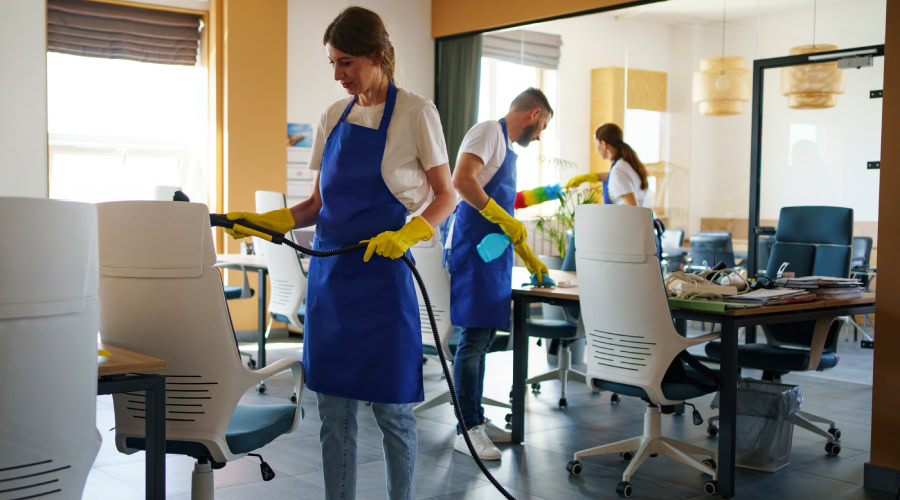
A clean workplace does more than create a positive first impression. It helps protect employee wellbeing, supports day-to-day productivity, and gives customers and visitors confidence in the organisation they are dealing with. From busy office buildings and retail premises to educational facilities and industrial environments, maintaining high standards of cleanliness is an important part of running a successful business.
However, keeping commercial premises consistently clean can be challenging. High footfall, shared facilities, changing occupancy levels, and different hygiene requirements all place demands on internal teams. Without a structured approach, cleaning tasks can become inconsistent, important areas may be overlooked, and employees may spend time dealing with issues outside their core responsibilities.
Professional contract cleaning services provide businesses with a practical way to manage these responsibilities. With planned cleaning schedules, trained staff, and suitable equipment, organisations can maintain cleaner premises while allowing their employees to focus on their main duties.
Why Workplace Cleanliness Matters
The condition of a workplace can influence how people feel about their working environment. Clean floors, sanitised shared surfaces, tidy washrooms, and well-maintained communal areas contribute to a more comfortable and professional atmosphere.
Employees notice when their surroundings are neglected. Overflowing bins, dusty workstations, unpleasant odours, and poorly maintained kitchens can create frustration and make a workplace feel less welcoming. In contrast, a consistently clean environment helps establish clear standards and demonstrates that the organisation takes its facilities seriously.
Cleanliness also affects how visitors perceive a business. Clients attending a meeting, customers entering a showroom, or prospective employees visiting an office may form an impression based on the condition of the premises.
Although cleaning alone cannot guarantee higher productivity or better health outcomes, it supports a working environment in which employees and visitors can feel more comfortable.
The Benefits of Outsourcing Commercial Cleaning

Many businesses face a choice between managing cleaning internally and working with an external provider. The right decision depends on the size of the premises, available resources, operational requirements, and the level of cleaning expertise needed.
Outsourcing can offer several practical advantages.
Consistent Cleaning Standards
One of the biggest challenges in workplace cleaning is maintaining consistency. Different employees may follow different routines, and cleaning tasks can be delayed when internal teams are busy with other responsibilities.
A structured cleaning arrangement establishes defined duties, schedules, and expectations. Tasks can be allocated according to the needs of each area, helping ensure that essential work is completed regularly.
For example, washrooms and kitchen surfaces may require frequent attention, while internal glass, high-level dusting, and detailed floor maintenance can follow separate schedules.
Clear procedures also make it easier for facilities managers to identify missed tasks and address concerns before they become recurring problems.
Access to Trained Cleaning Staff
Commercial premises often require more than basic dusting and vacuuming. Depending on the environment, cleaning teams may need to understand suitable chemical use, equipment operation, surface care, waste handling, and health and safety procedures.
Professional training helps staff carry out tasks safely and select appropriate methods for different materials and environments.
This is particularly important where incorrect products or techniques could damage flooring, furniture, specialist equipment, or sensitive surfaces.
Better Use of Internal Resources
Managing an in-house cleaning operation involves more than assigning daily tasks. Businesses may need to recruit staff, organise cover for absences, purchase supplies, maintain equipment, and monitor performance.
An outsourced arrangement can reduce some of this administrative burden by placing responsibility for agreed cleaning duties with a specialist provider.
Employees can then concentrate on their primary responsibilities, while facilities teams retain oversight of service standards and building requirements.
Flexible Cleaning Schedules
Different businesses have different operating patterns. A corporate office may prefer cleaning outside normal working hours, while a retail environment might require attention throughout the day.
A suitable cleaning plan can be arranged around opening hours, occupancy, visitor traffic, and the nature of the premises.
Flexible scheduling can also help minimise disruption. For instance, noisy floor-cleaning equipment may be used when fewer employees are present, while frequently touched surfaces and washrooms receive attention during quieter periods.
Creating a Healthier Office Environment

Offices contain numerous shared spaces where dirt and contamination can accumulate. Door handles, lift buttons, kitchen worktops, taps, and shared equipment may be touched by many people throughout the day.
A thoughtful cleaning programme identifies these high-use areas and establishes appropriate cleaning frequencies. The aim is to maintain hygienic conditions without relying on unnecessary or excessive chemical use.
Maintaining Shared Facilities
Kitchens, break rooms, and washrooms require particular attention because they are used by multiple people and may involve food preparation, moisture, and frequent contact with surfaces.
Regular cleaning should address visible dirt, waste disposal, sinks, worktops, sanitary facilities, and other relevant surfaces. Cleaning products must be suitable for the intended application and used according to their instructions.
Businesses should also make it easy for employees to maintain shared spaces between scheduled visits. Accessible waste bins, appropriate handwashing facilities, and clear housekeeping expectations can support the wider cleaning programme.
Improving Indoor Comfort
Dust, litter, spills, and unpleasant odours can make indoor spaces less comfortable. Regular cleaning helps control these issues, while appropriate ventilation and building maintenance address other factors affecting indoor air quality.
It is important to recognise that cleaning is only one part of a healthy indoor environment. Ventilation, moisture control, building repairs, and suitable temperature management also contribute to employee comfort.
A coordinated facilities strategy is therefore more effective than treating cleaning as an isolated task.
Sustainable Cleaning Practices in Commercial Buildings
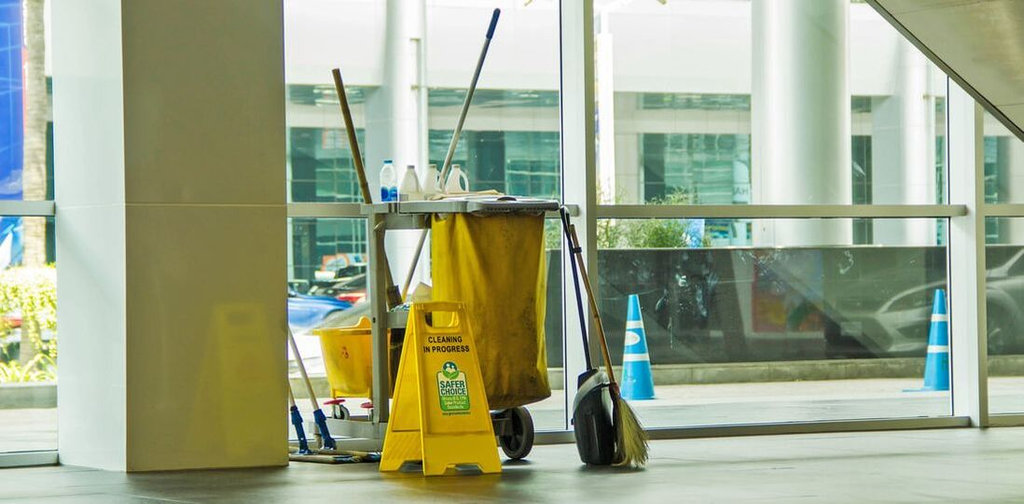
Sustainability is becoming an important consideration for businesses reviewing their facilities management practices. Organisations increasingly want to understand how everyday operations affect resource consumption, waste generation, and their wider environmental objectives.
Cleaning can contribute to these efforts when methods and materials are selected carefully.
Choosing Products Responsibly
Cleaning products should be appropriate for the surface, the type of soil being removed, and the hygiene requirements of the environment. Where suitable alternatives are available, businesses may consider products with lower environmental impacts or recognised environmental credentials.
However, the term eco-friendly should not replace a proper assessment of product performance, safety, and suitability. A cleaning product must still achieve the required result when used correctly.
Staff training is essential because incorrect dilution, overuse, or mixing incompatible chemicals can create unnecessary risks and waste.
Reducing Water and Energy Consumption
Efficient cleaning equipment and well-planned routines can help reduce unnecessary water and energy use. Microfibre systems, appropriately selected machinery, and cleaning methods suited to the task may support more efficient operations.
Equipment should also be maintained according to manufacturer recommendations. Poorly maintained machines can become less effective and may consume more resources than necessary.
Managing Waste More Effectively
Commercial cleaning teams can support better waste management by following established recycling procedures, using the correct waste streams, and avoiding unnecessary disposable materials where practical.
Businesses should ensure that cleaning staff understand the building’s waste arrangements and any special handling requirements.
Sustainable cleaning is most effective when it forms part of a wider facilities policy rather than relying on individual actions without clear guidance.
How Cleaning Requirements Differ Between Industries
There is no universal cleaning schedule suitable for every commercial property. The correct approach depends on the building’s use, occupancy, layout, and specific operational risks.
Corporate offices: Cleaning typically focuses on desks and shared work areas, meeting rooms, kitchens, washrooms, floors, and reception spaces. Particular attention may be needed for frequently used communal facilities.
Retail premises: Customer-facing areas need to remain presentable throughout opening hours. Entranceways, changing rooms, checkout areas, and floors may require more frequent attention because of high footfall.
Educational facilities: Classrooms, corridors, dining areas, and washrooms can experience heavy daily use. Cleaning plans should reflect occupancy patterns, safeguarding arrangements, and the requirements of different spaces.
Industrial and warehouse environments: Cleaning may involve dust control, floor maintenance, waste management, and the safe removal of particular residues. Procedures must account for machinery, vehicle movements, and site-specific hazards.
Healthcare-related environments: Some settings require specialist cleaning procedures, approved products, and clearly defined hygiene standards. Routine commercial cleaning should not be treated as a substitute for the specific infection-prevention requirements applicable to healthcare facilities.
Understanding these differences helps businesses create realistic cleaning schedules and allocate resources where they are most needed.
How to Choose the Right Cleaning Provider

Selecting a cleaning provider involves more than comparing prices. Businesses should assess whether a potential partner can meet their operational requirements and maintain the expected standards over time.
Start by identifying the areas that need cleaning, the required frequency, preferred working hours, and any specialist tasks. A clear specification gives prospective providers a consistent basis for preparing proposals.
It is also worth asking about staff training, supervision, equipment, product selection, health and safety procedures, and arrangements for covering staff absences.
Quality monitoring deserves particular attention. Regular inspections, documented checklists, and clear reporting procedures can help identify problems and provide a basis for improvement.
Businesses should also establish how concerns will be handled. A reliable communication process makes it easier to report missed tasks, adjust schedules, and respond when the building’s needs change.
Finally, consider flexibility. A provider should be able to discuss changing occupancy levels, seasonal requirements, additional cleaning needs, and changes to the premises without making routine adjustments unnecessarily complicated.
Building a Long-Term Workplace Cleaning Strategy
Effective commercial cleaning works best when it is planned rather than reactive. Instead of responding only when a space looks dirty, facilities managers can establish routines based on how areas are used and how quickly they accumulate dirt or require attention.
Begin with a review of the building. Identify high-traffic zones, shared facilities, sensitive surfaces, and areas that require specialist methods. Use this information to create a schedule that distinguishes daily tasks from periodic deep cleaning and less frequent maintenance.
The plan should also include clear responsibilities. Cleaning staff need to understand which tasks they are expected to complete, while building managers should know how to report issues and review performance.
Regular feedback can improve the arrangement over time. If a particular area repeatedly requires additional attention, the schedule may need to change. If certain tasks can be completed more efficiently using different equipment or timing, adjustments may improve results without compromising standards.
A well-managed cleaning programme is therefore an ongoing process of assessment, implementation, and improvement.
Conclusion
Maintaining clean commercial premises supports employee comfort, creates a professional impression, and helps businesses manage everyday hygiene requirements. However, achieving consistent results requires suitable equipment, trained staff, clear procedures, and cleaning schedules that reflect the way each building is used.
Professional contract cleaning can help organisations manage these responsibilities while reducing the administrative burden of running an in-house operation. By evaluating service quality, prioritising sustainability, and reviewing cleaning needs regularly, businesses can create a cleaner and more welcoming environment for employees, customers, and visitors.
Ultimately, a reliable cleaning strategy is not simply about appearance. It is an important part of effective facilities management and the long-term care of commercial workplaces.
