

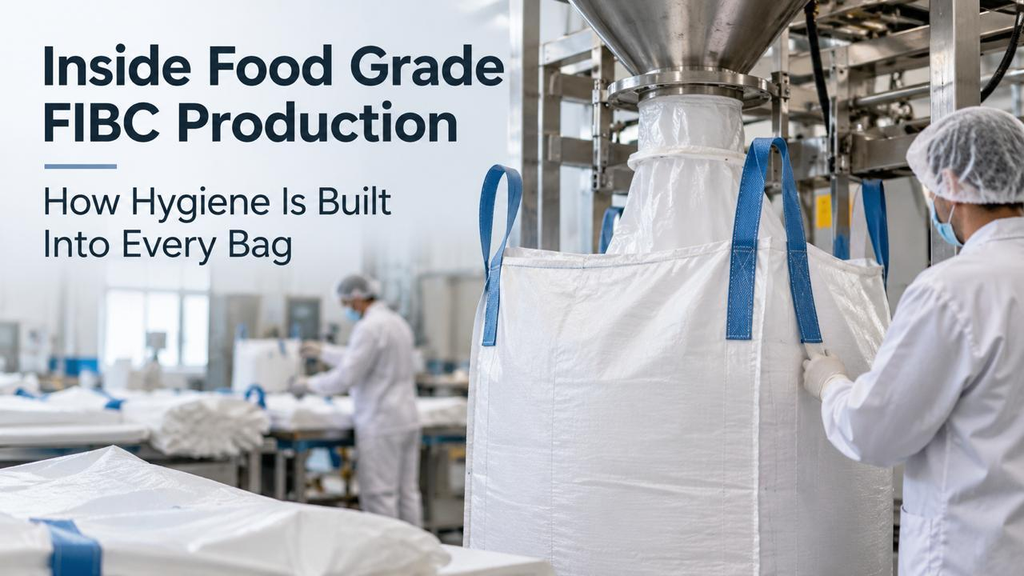
Hygiene in flexible intermediate bulk container (FIBC) manufacturing begins long before a finished bag reaches a filling line. Producing clean bulk packaging requires controlled manufacturing conditions, equipment sanitation, careful material handling and procedures that minimize contamination. Cegy Plastics manufactures food grade fibc packaging through a process that includes controlled production environments, protective clothing, equipment disinfection and additional cleaning measures.
A hygienic bulk bag is not simply an ordinary polypropylene container fitted with an internal liner. Its cleanliness depends on how materials are processed, handled and assembled. For food processors, chemical manufacturers and pharmaceutical businesses, contamination from dust, loose threads or foreign particles can compromise product quality. Each manufacturing stage must therefore contribute to protecting the packaged material.
Why Controlled Production Environments Matter
Industrial manufacturing environments contain potential contamination sources. Airborne dust, loose fibers, equipment residues and particles introduced through personnel movement can reach exposed packaging surfaces.
At the Cegy Plastics manufacturing facility in 10th of Ramadan City in Egypt, food-grade bulk bags are produced in a controlled environment. Employees wear protective clothing to help reduce contamination associated with normal workplace activities.
Protective garments limit the transfer of fibers and particles from ordinary clothing. Controlled production areas also help separate sensitive packaging operations from surrounding manufacturing activities.
However, protective clothing alone cannot guarantee product cleanliness. Effective hygiene depends on the combined management of personnel practices, machinery conditions and material handling. Preventing contamination during production is generally more reliable than attempting to remove every unwanted particle afterward.
Equipment Disinfection Before Every Batch
Manufacturing equipment can accumulate residues during normal operation. Cutting machines produce fabric fragments, sewing equipment may retain thread particles and work surfaces can collect dust.
In food-grade production, the company disinfects equipment and devices before each manufacturing batch, in addition to regular machinery cleaning and washing.
These activities serve related but distinct purposes. Routine cleaning removes accumulated material, while pre-batch disinfection provides an additional hygiene measure before production begins.
The distinction between cleaning and disinfection is important. Disinfection does not necessarily remove loose debris, and physical cleaning does not automatically establish appropriate microbiological conditions.
For buyers evaluating manufacturing processes, the relevant question is whether these procedures are integrated into production rather than performed only when visible contamination appears.
How Polypropylene Manufacturing Affects Cleanliness
Flexible intermediate bulk containers generally use woven polypropylene fabric because it combines flexibility with mechanical strength. Transforming polypropylene into a finished bag requires several manufacturing operations.
The company operates an integrated production facility with in-house polypropylene extrusion, weaving, coating, cutting, sewing, liner welding and laboratory testing capabilities.
Each operation presents different considerations for packaging hygiene:
- Extrusion: Polypropylene is processed into material suitable for manufacturing woven fabric.
- Weaving: Polypropylene tapes are interlaced to create the fabric structure used in bulk containers.
- Coating: Where required, additional material is applied to modify fabric characteristics.
- Cutting: Fabric sections are prepared for assembly, potentially generating small fragments.
- Sewing: Panels and components are joined, creating possible sources of loose thread.
- Liner welding: Internal liner components are prepared or joined according to the packaging configuration.
Cleanliness must be maintained across this sequence. A well-maintained sewing station cannot fully compensate for contamination introduced during earlier material handling.
Laboratory testing addresses relevant product characteristics, but mechanical performance and manufacturing hygiene remain separate considerations. Both must be evaluated according to the intended packaging application.
Why Vacuum Cleaning Is Necessary
Woven polypropylene production can generate loose threads and small fabric fragments. These materials are especially undesirable when packaging powdered foods, fine chemical ingredients or sensitive industrial products.
The company’s food-grade manufacturing process includes an additional vacuuming procedure for bags produced without special foil liners. This step is intended to remove loose threads, fabric fragments and unwanted particles from the bag interior.
Vacuum cleaning provides a physical removal method that complements equipment sanitation. While disinfection addresses hygiene conditions on manufacturing surfaces, vacuuming targets solid material that may remain inside the packaging.
This additional cleaning step is particularly relevant for products that come into direct contact with the bag’s internal fabric surface.
Vacuuming should not be confused with sterilization or comprehensive regulatory compliance. A cleaned bag still requires appropriate material selection and verification against the intended application’s requirements.
Barrier Liners and Their Protective Functions
Internal liners provide another layer of protection by separating the packaged material from the woven polypropylene structure. Depending on their composition, liners can also help manage exposure to moisture, oxygen and other environmental conditions.
The manufacturer offers PE, EVOH and aluminum liner options for different packaging requirements.
| Liner material | Protective function | Selection consideration |
| PE | Provides a polyethylene film barrier between the contents and woven fabric. | Product-contact suitability, moisture exposure and handling conditions. |
| EVOH | Offers enhanced oxygen-barrier properties when incorporated into an appropriate structure. | Oxygen sensitivity and performance under expected humidity conditions. |
| Aluminum | Can provide strong protection against oxygen, moisture and light in a suitable sealed construction. | Seal integrity, material compatibility and handling requirements. |
Choosing a liner requires understanding the packaged substance. Dry ingredients, moisture-sensitive powders and oxidation-sensitive products do not necessarily require identical barrier characteristics.
Liner integrity also depends on appropriate sealing and connection design. Even high-performance barrier materials cannot deliver their intended protection if openings or seals permit uncontrolled exposure.
Why Filling Valves Are Part of Hygiene Design
The filling and discharge openings of a bulk bag are important interfaces between packaging and processing machinery. Their configuration can influence exposure to surrounding conditions during material transfer.
Valve options suited to different filling and discharge requirements can be incorporated into the company’s food-grade FIBCs.
For fine powders, connection design may help reduce material escape and environmental exposure. For sensitive ingredients, the relationship between the liner, filling equipment and closure system deserves particular attention.
However, packaging components cannot replace hygienic handling procedures. Filling equipment and contact surfaces must also be managed appropriately to preserve cleanliness during use.
Different Industries Require Different Hygiene Controls
Food, chemical and pharmaceutical buyers may all require hygienic packaging, but their technical requirements differ significantly.
Food Processing
Food manufacturers should assess the suitability of packaging materials for the intended food-contact application, contamination prevention and liner compatibility. Dry ingredients such as flour and sugar may require careful control of loose particles and environmental moisture.
Chemical Manufacturing
Chemical buyers must evaluate material compatibility, contamination sensitivity and filling conditions. Some applications also require separate assessment of electrostatic hazards. Hygiene controls do not replace appropriate chemical compatibility or safety evaluations.
Pharmaceutical Applications
Pharmaceutical operations may impose additional requirements for cleanliness, traceability and packaging documentation. General food-grade manufacturing practices do not automatically establish compliance with pharmaceutical standards. Suitability must be determined for the specific product and manufacturing process.
How Regular Inspections Support Production Hygiene
Manufacturing hygiene requires consistent implementation rather than occasional cleaning activities. Regular inspections provide an additional means of evaluating production conditions and identifying potential weaknesses.
Relevant authorities regularly inspect Cegy Plastics’ food-grade bulk bag production. This oversight complements the preventive controls used during manufacturing.
Inspection activity should nevertheless be distinguished from product-specific certification. A controlled production environment does not automatically demonstrate compliance with every regulatory requirement associated with food, chemicals or pharmaceuticals.
Buyers should request documentation appropriate to their intended applications and confirm that the selected packaging configuration meets their specifications.
What Should Buyers Check Before Ordering?
Hygienic bulk packaging should be evaluated through practical production controls rather than broad marketing descriptions. The following questions help connect manufacturing practices to contamination risks:
- Are bags manufactured in a controlled environment with appropriate personnel protection?
- Is equipment disinfected before each production batch?
- How are loose threads and fabric fragments removed?
- Which liner materials are available for the intended product?
- Are filling valves and discharge connections suitable for the handling process?
- What inspection information and application-specific documentation can be provided?
These questions encourage buyers to evaluate the complete packaging system rather than individual features in isolation.
Cegy Plastics’ manufacturing approach combines controlled production conditions, protective clothing, pre-batch equipment disinfection, additional vacuum cleaning where applicable and configurable liner and valve options. Each measure addresses a different potential contamination pathway.
The appropriate FIBC specification ultimately depends on the packaged material, its sensitivity to environmental exposure and the conditions under which the bag will be filled, stored and discharged. Building hygiene into manufacturing is essential, but preserving it throughout handling remains equally important.
