

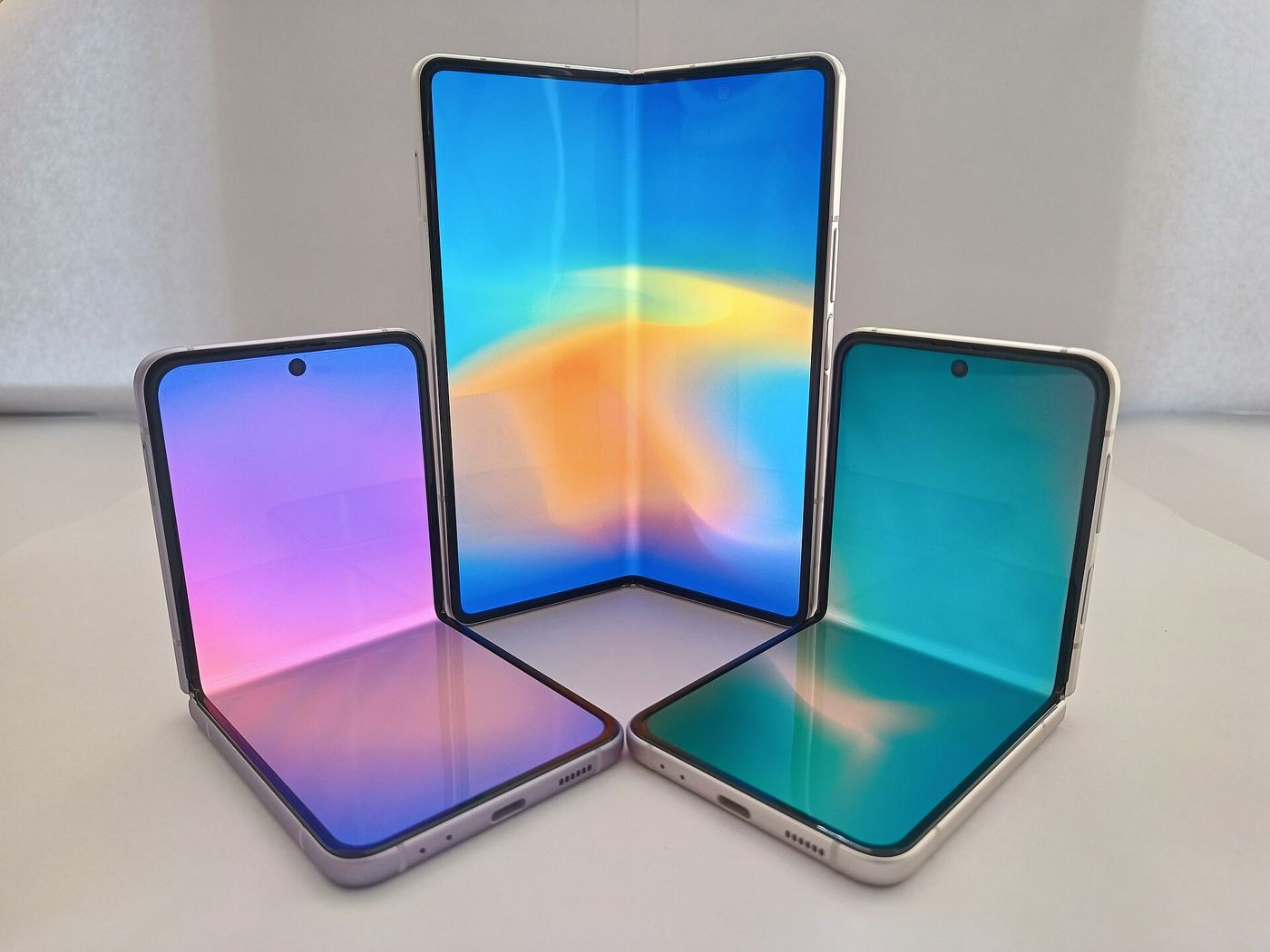
Apple has finally joined the foldable phone market, and its entry has a name: the iPhone Duo. The company announced its first foldable phone alongside the iPhone 18 Pro and iPhone 18 Pro Max in 2026, ending years of rumours about whether Apple would ever bend a screen. Early reports have already picked up details of the software behind it, including a lock screen change in iOS 27.1 that adds a column of complications above the usual shortcuts. The timing suits the market: research firm IDC expects worldwide foldable phone shipments to reach 20.6 million units in 2025, up ten percent on the year before, with growth picking up in 2026 as Apple enters and Samsung adds the Galaxy Z Trifold.
What the Evidence Shows
A foldable phone offers a tablet-sized screen that still fits in a pocket, which suits reading, video and split-screen work, but the format asks for compromises in return. Foldables cost far more than ordinary flagships, weigh more, and their screens and hinges need more care, so buyers should check the warranty and the cost of a screen repair before committing. The software matters as much as the hinge: apps that stretch gracefully across a folding screen make the device, while apps that do not leave an expensive phone feeling awkward. Samsung, which launched the Galaxy Z Fold 8 Ultra at its Unpacked event on 23 November, remains the benchmark, so the iPhone Duo’s first reviews will be the real test of whether Apple’s late arrival was worth the wait. Reporting and analysis from sources such as MIT Technology Review track the same developments, and specialists following iPhone Duo foldable say the direction is now consistent across independent lines of evidence.
The Wider Context
The wider context is an industry learning to ship capability and restraint together. Products built around iPhone Duo foldable now launch with safety evaluations, usage data and rollback plans as standard, because enterprise buyers and regulators ask for them in the first meeting. Companies that treated those questions as friction are discovering they have become the purchase criteria.
What Happens Next
What happens next for iPhone Duo foldable depends less on another breakthrough than on the unglamorous work of reliability, pricing and support. The buyers evaluating it now are not enthusiasts; they are operators with budgets and auditors, and their checklists will decide the timeline. On the evidence of the current pilots, the technology has earned the right to be judged by them. You can follow related developments in our coverage of technology.
There is a practical lesson in all of this for readers deciding what to do today. Start with the verified facts, be wary of anyone promising certainty, and prefer reversible steps while the evidence is still developing. Circumstances differ by country, income and personal situation, so general guidance should always be weighed against your own context before you act on it in any significant or lasting way.
