

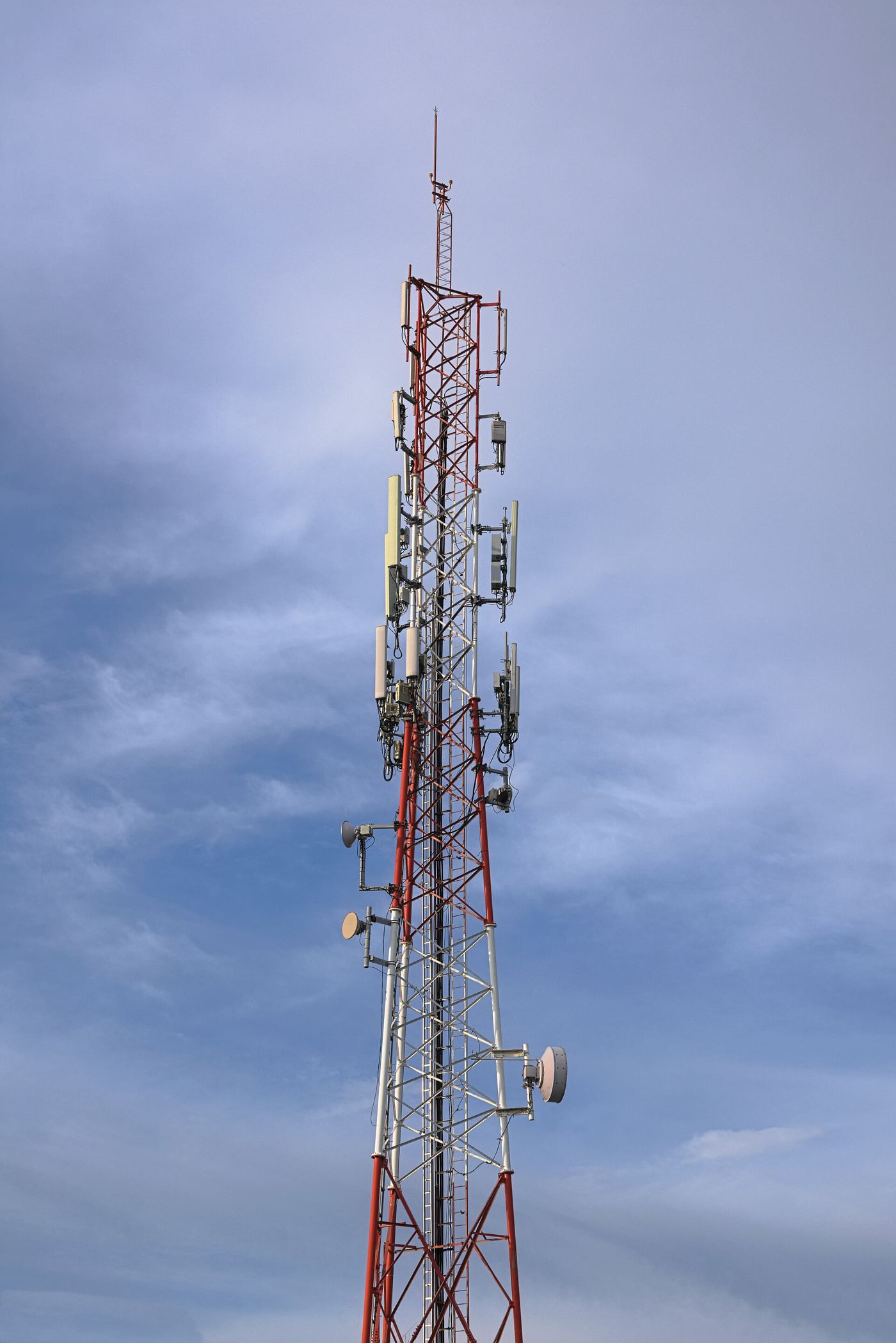
The next generation of mobile networks moved from slides to spectrum in November 2026. T-Mobile, Ericsson and MediaTek announced on 3 November that they had completed the world’s first multi-vendor pre-6G trial, sending data over the air between Ericsson network equipment and a MediaTek device platform in the seven gigahertz band. The trial, run at T-Mobile’s 6G Innovation Hub near Seattle, points to potential downloads above five gigabits per second, uploads above two gigabits per second and latency as low as four milliseconds. Verizon and Ericsson have also completed a pre-standard 6G field call in California, and researchers gathered for the Brooklyn AI-Native 6G Summit from 3 to 5 November to discuss how artificial intelligence could reshape the network itself.
What the Evidence Shows
None of this means a 6G phone is coming soon: the standards are unfinished, no commercial 6G network exists, and the trial figures are potentials from a proof of concept, not speeds a customer can buy. The promise of 6G is not only faster downloads: the networks are being designed as AI-native, with sensing built in, so a base station could track objects and movement as well as carry data. The seven gigahertz band brings its own problems, since higher frequencies struggle to pass through walls and foliage, which is exactly what the field trials are testing. Commercial service is generally expected around 2030, so the trials matter most as a signal of where the industry is heading, and phone buyers need do nothing differently today. Reporting and analysis from sources such as Wired track the same developments, and specialists following pre-6G trials say the direction is now consistent across independent lines of evidence.
The Wider Context
The wider context is an industry learning to ship capability and restraint together. Products built around pre-6G trials now launch with safety evaluations, usage data and rollback plans as standard, because enterprise buyers and regulators ask for them in the first meeting. Companies that treated those questions as friction are discovering they have become the purchase criteria.
What Happens Next
What happens next for pre-6G trials depends less on another breakthrough than on the unglamorous work of reliability, pricing and support. The buyers evaluating it now are not enthusiasts; they are operators with budgets and auditors, and their checklists will decide the timeline. On the evidence of the current pilots, the technology has earned the right to be judged by them. You can follow related developments in our coverage of technology.
None of this will be settled by a single announcement, study or product launch. The pattern to watch is accumulation: independent confirmations, honest reporting of failures and steady improvement in the underlying numbers. Readers who follow those signals, rather than the loudest claim of the week, will understand this subject better than most of the commentary surrounding it suggests is possible.
