

Introduction
A first coastal road trip sounds simple at first: choose a route, bring snacks, stop when the view looks beautiful, and enjoy the drive. But once the day begins, small packing mistakes can quickly become annoying. A wet towel gets mixed with clean clothes. Snacks roll under the seat. Sunscreen disappears just when you need it. Receipts, chargers, sunglasses, and water bottles end up scattered everywhere.
The best coastal road trips are not built around packing more. They are built around packing smarter. You need enough flexibility for beach stops, short walks, meals, photos, and weather changes, but you do not want the car to feel crowded before the trip even begins.
Start With a Simple Road Trip System
Before choosing individual items, think about how the car will be used throughout the day. You will probably need some items often, while others can stay in the trunk until later. A good packing system separates essentials by use, not just by category.
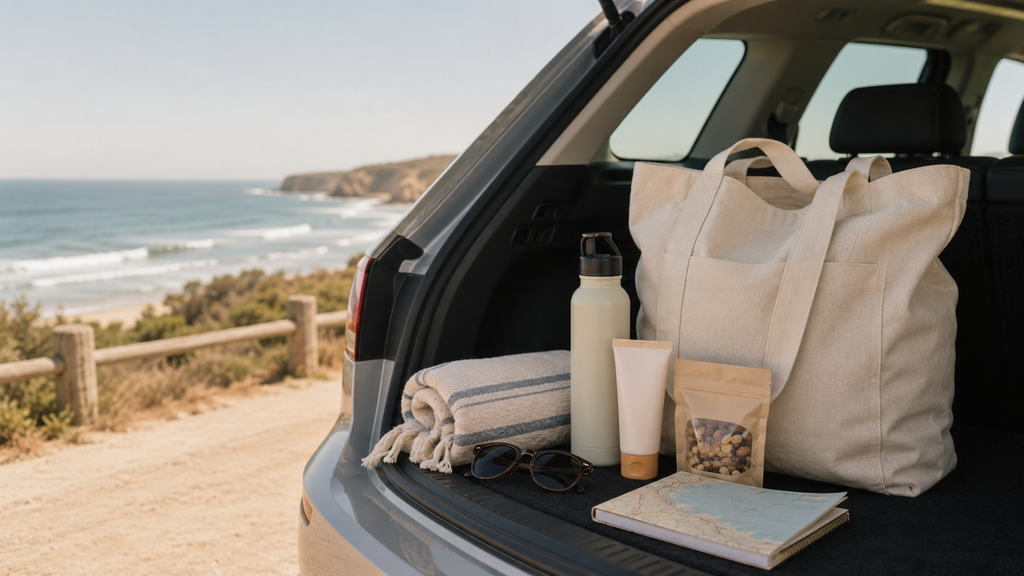
Keep frequently used items within reach: water, snacks, sunscreen, phone charger, sunglasses, tissues, and a light layer. Beach or picnic items can stay in the back until you stop. Extra clothes, towels, and backup shoes should be packed separately so they do not mix with food or electronics.
Reusable carry bags can be helpful for this kind of trip because they make it easy to group items by stop. For example, one bag can hold beach supplies, one can hold picnic food, and one can hold dry clothing. Many travelers use Custom Tote Bags for road trips because they are lightweight, easy to load into a car, and simple to grab when stopping along the coast.
Pack for Stops, Not Just the Drive
A coastal road trip is rarely only about driving. The best parts usually happen when you pull over: a small beach, a viewpoint, a local shop, a seafood stand, or a walking trail. That means your packing should support short stops without requiring you to unpack the whole car each time.
For quick stops, prepare a small grab-and-go setup with water, sunscreen, wallet, keys, phone, and a light towel. This prevents you from digging through larger bags whenever you leave the car for ten minutes.
For longer stops, keep larger items together. A beach blanket, sandals, spare shirt, snacks, and a book can go into one bag so the stop feels effortless.
Keep Shopping and Local Finds Organized
One of the pleasures of a coastal road trip is visiting local shops, farm stands, bakeries, and weekend markets along the way. These small purchases can pile up quickly if you do not plan for them. Fresh fruit, bread, handmade goods, postcards, and beach town souvenirs all need a place to go.
For this reason, it helps to bring a few reliable shopping bags rather than relying on whatever a store provides. Some small retailers also improve the customer experience by offering practical Wholesale Shopping Bags, especially in tourist areas where customers may continue walking or driving after purchase.
A road trip feels smoother when new purchases have a dedicated place instead of being placed randomly around the car.
Bring Less Clothing Than You Think
People often overpack clothing for coastal trips because the weather feels unpredictable. But for a one-day or weekend road trip, a few flexible layers usually work better than multiple full outfits. Bring breathable clothing, a light jacket, and one dry change if you plan to swim or sit near the water.
Shoes should be chosen carefully. Sandals may work for beaches and boardwalks, but a comfortable walking shoe is better for trails or town exploring. If space is limited, choose footwear that can handle more than one setting.
Prepare for Mess Without Overcomplicating It
Sand, damp towels, snack crumbs, and sunscreen are part of the experience. Instead of trying to avoid mess completely, prepare for it. Bring a small trash bag, a towel for wiping hands or feet, and a separate pouch for wet items.
A simple cleanup kit can include:
- reusable trash bag
- hand wipes
- small towel
- waterproof pouch
- extra water for rinsing
These small items make the return drive more comfortable and keep the car from feeling chaotic.
Conclusion
A first coastal road trip becomes much easier when packing is thoughtful but not excessive. The goal is to stay flexible, comfortable, and organized without filling the car with items you may never use.
By grouping items by purpose, keeping essentials easy to reach, and leaving space for local finds, you can enjoy the coast with less stress. The best road trip setup supports the day quietly, so you can focus on the drive, the views, and the moments that make the trip worth remembering.
