

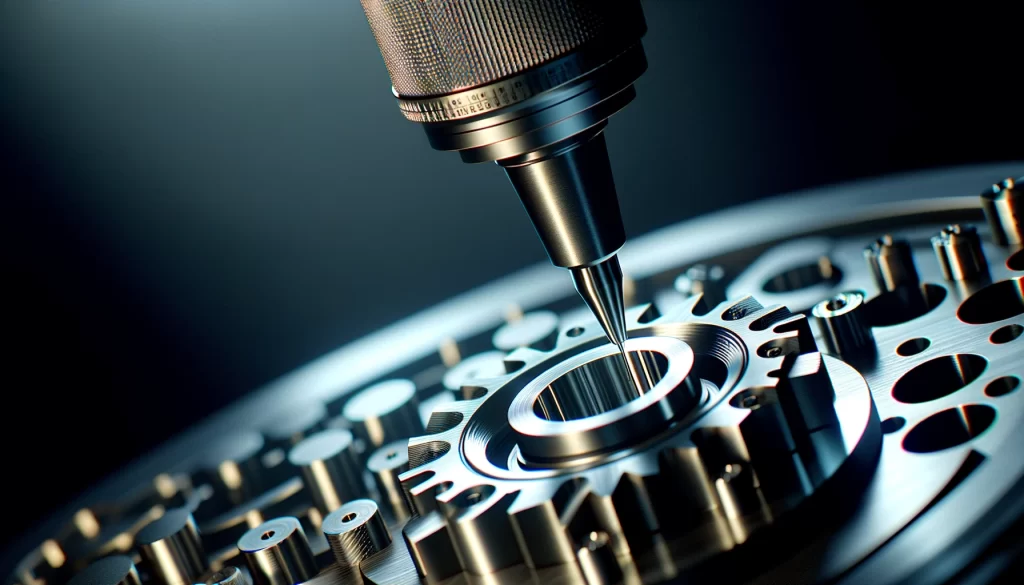
The manufacturing world has entered a new era, one defined by greater complexity, tighter tolerances, and the urgent need for resilient supply networks. As companies across multiple industries reshore, near-shore, and reindustrialize their operations, precision machining has become a critical strategic enabler. Understanding the technology behind high-quality turned and milled components is essential for businesses looking to maintain a competitive edge in today’s demanding environment.
The Global Shift in Manufacturing Strategy
A 2026 report found that nearly three-quarters of large organizations now have a formal reindustrialization strategy in place or under development, marking a decisive shift toward resilience over pure cost efficiency. In the United States, 48 percent of organizations reported reshoring investments, up significantly from 30 percent in 2025. Europe is following suit, with reshoring rising from 34 percent to 42 percent. Crucially, 87 percent of these organizations plan to invest in advanced manufacturing technologies—AI, automation, and digital twins—to offset higher production costs. This strategic pivot demands machining partners capable of delivering micron-level accuracy, consistent quality, and scalable production.
The Precision Imperative Across Critical Industries
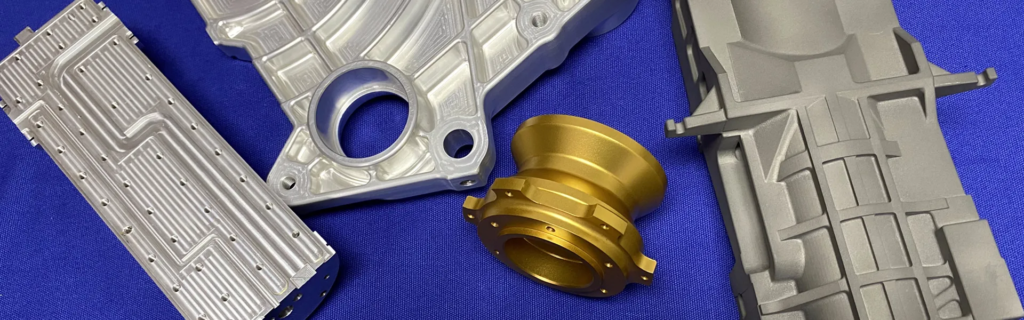
The demand for precision components is accelerating across several high-stakes sectors. From medical implants and aerospace fasteners to EV powertrain parts and advanced drilling tools, component specifications are becoming more demanding. In the oil and gas sector, deeper wells and more challenging reservoir conditions require components made from superalloys, ceramics, and composites that offer high strength, corrosion stability, and thermal resilience. Tight-tolerance parts for flow control and downhole sensors are essential for efficient extraction. The same principles apply to medical devices, where components must be biocompatible and manufactured to tolerances that were unimaginable a generation ago. Across all these sectors, the need for reliable CNC machined parts that meet rigorous specifications has become foundational.
Swiss Machining as the Industry Benchmark
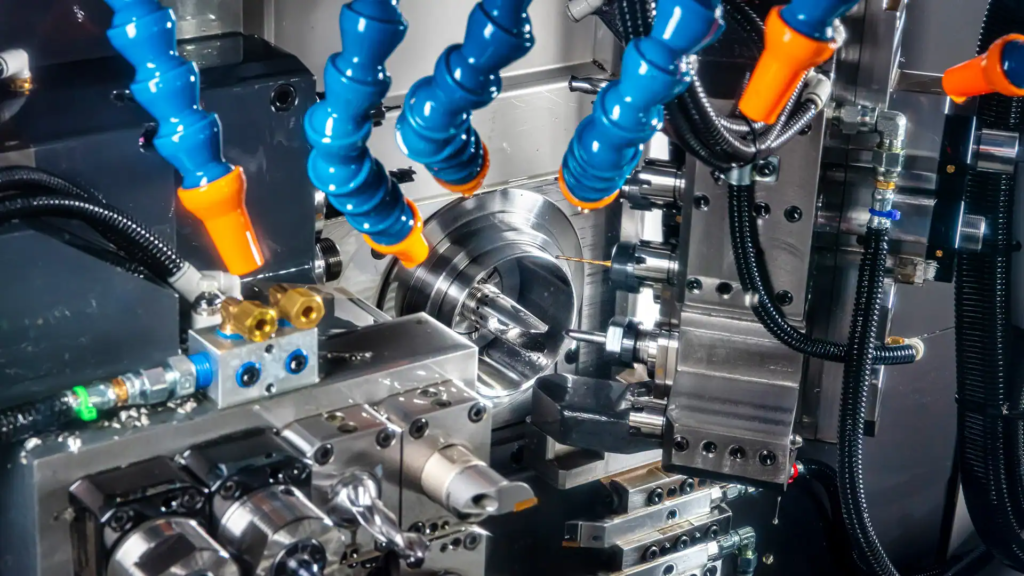
Among precision manufacturing methods, Swiss-type turning stands apart for its ability to produce small, complex components with exceptional accuracy. Originating in the 19th-century Swiss watchmaking industry, Swiss screw machining has evolved into a hightechnology process that now serves aerospace, medical devices, defense, electronics, automotive, and control valves. Modern CNC Swiss screw machines hold tolerances as tight as ±0.0001 inches, far exceeding conventional turning capabilities.
The guidebushing design is the critical innovation. Material feeds through a bushing positioned immediately next to the cutting tool, supporting the workpiece exactly at the point of cut. This eliminates deflection and vibration, enabling the production of long, slender parts with high lengthtodiameter ratios that conventional lathes cannot handle. Leading Swiss machine shops produce components ranging from 0.012 inches to 1.125 inches in diameter using advanced multiaxis equipment. The result is screw machine products that exhibit superior concentricity, surface finish, and uniformity across thousands or millions of production cycles.
Technology Investment Reshaping the Shop Floor
The 87 percent of companies planning to invest in advanced manufacturing technologies includes precision manufacturers themselves. The best CNC turning centers now incorporate realtime adaptive control, using sensor feedback to adjust feeds, speeds, and toolpaths in response to vibration, load, and temperature changes. Manufacturing execution systems track every work order, inspection result, and tool change, while predictive maintenance algorithms prevent unplanned downtime.
Automation closes the gap created by persistent skilled labor shortages. Robottended CNC cells, automated bar feeders, and inprocess probing enable continuous, unattended production. For OEMs evaluating potential partners, investigating IIoT infrastructure, realtime process monitoring, and predictive maintenance protocols is essential. Falcon CNC Swiss maintains a facility with more than 300 CNC and Swisstype machines, automated barfeeding systems, and stringent quality protocols aligned with ISO 13485 for medical and IATF 16949 for automotive. Full material traceability and inprocess SPC monitoring ensure that components meet demanding requirements.
Selecting the Right Precision Partner
For buyers navigating the shifting manufacturing landscape, three criteria determine success. First, verify equipment depth and process integration. Multiaxis CNC lathes with live tooling, automated bar feeders, and inprocess probing are the baseline for serious work. Second, ensure quality alignment. Ask about material validation, statistical process control, and industryspecific certifications. Third, review material and industry experience. A shop that has successfully machined thousands of stainless steel or titanium components knows the nuances that separate reliable production from frustrating scrap.
Companies that have built their operations around advanced CNC turning and highvolume production are increasingly difficult to replace once they prove their capabilities. For anyone responsible for keeping production lines running, that reliability is worth more than a marginally lower unit cost. The precision machining industry is not waiting for the future to arrive. AIdriven adaptive control, connected shop floors, and integrated turning and milling are already changing what is possible. The question for OEMs and engineering firms is whether their supply chain partners are keeping up. Markets that demand tighter tolerances, shorter lead times, and full traceability will reward suppliers who have made the investments—and the companies smart enough to partner with them.
