

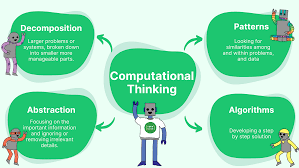
An algorithm is a set of steps a computer follows to reach a result. It begins with inputs, applies processes, and produces outputs. In many ways, planning a business works in the same way. Entrepreneurs bring in resources, goals, and ideas, and through the business plan, they gain direction, action, and growth. When you think of your roadmap as a system, it stops being just paperwork for investors. Instead, it becomes something alive, something that guides daily choices and adapts as the business changes.
This shift in perspective is powerful. Algorithmic thinking brings order to complexity by making sure every part of the framework has a purpose. Nothing is added without reason. Every step moves toward a result. This makes the document practical, logical, and simple to follow, even in markets that are messy and unpredictable. It transforms the strategy from something static into something dynamic, like software that keeps updating.
The sections below break down this idea step by step, showing how inputs, processes, outputs, feedback, and execution all work together. Upliftplans.com breaks down a business plan into a system with each component being professionally designed. Each part of the system matters on its own, but when combined, they create a roadmap that can truly guide growth.
Inputs: Starting With the Right Data
Every system begins with inputs. For an algorithm, it might be numbers or text. For a company, it is the raw materials of planning, market research, customer insights, available resources, and the abilities of the team. These details are the foundation, and without them, the rest of the framework cannot stand.
Inputs are powerful because they bring clarity and honesty. They show where the business is today, what tools are available, and what limits must be respected. Too often, entrepreneurs skip this stage, rushing ahead with assumptions or inflated numbers. But a weak input makes every other step fragile. Strong inputs, on the other hand, create direction and credibility.
What makes inputs so essential is that they shape the way the system unfolds. They prevent decisions from being made in a vacuum. They also set expectations for everyone involved. Teams know what they have to work with, investors see a grounded base, and leaders gain a realistic picture of their own path. Good inputs are not just numbers on a page, they are signals of discipline, preparation, and maturity.
Why Inputs Define Success
The success of any system depends on the quality of what you put in. If research is accurate and resources are measured carefully, the business plan is reliable. If the inputs are vague or misleading, the entire framework collapses later. Success is not just about ambition, it is about starting with truth and building on it step by step.
Building Trust Through Reliable Data
Trust grows from the foundation. When data is real and complete, partners and teams believe in the business plan. Reliable inputs prove that the leader has done the work and is not hiding behind guesswork. This trust carries forward, shaping how the rest of the system is seen and supported.
Processes: Turning Data Into Action
Once inputs are gathered, the question becomes: what do we do with them? This is where processes come in. A process is the chain of steps that transforms raw information into strategies and actions. It ensures that facts do not remain lifeless numbers but instead fuel the creation of goals, milestones, and practical moves.
Processes bring structure to ideas. They create order where there might otherwise be chaos. Instead of having disconnected pieces of data, processes connect them in a logical sequence. Each step follows naturally from the one before it. This not only helps leaders make sense of the information, but it also helps teams understand why each decision matters.
The strength of processes lies in their discipline. They force a leader to ask: does this step connect to the data we have? Does it serve the larger vision? This reduces the risk of chasing random opportunities that look attractive but do not align. It also reassures investors that decisions are not made out of impulse but from clear reasoning.Two aspects make processes especially valuable:
Linking Strategy With Information
Processes work best when every strategy is directly linked to information. A strategy execution framework ensures that goals are not just wishes, but logical extensions of what the inputs revealed. Linking strategy to information creates accountability and makes the framework believable.
Creating a Logical Flow
A logical flow is what makes the business plan easy to follow. One step should lead smoothly to the next, making the roadmap clear for everyone. When this flow is strong, the document feels alive. It becomes a guide for action rather than a report that sits unread.
Outputs: Measuring Results That Matter
The point of a system is to produce results. In planning, outputs are the evidence that actions are working. They might appear as revenue growth, increased customer loyalty, stronger teams, or greater efficiency. Without outputs, the roadmap is incomplete.
Outputs matter because they bring accountability. They make success visible and measurable. They also give energy to a team, proving that their work has an impact. For leaders, outputs show whether the strategy is still on course. For investors, they provide proof that the system delivers value.
Clear results also help with adjustment. If outputs do not match expectations, something needs to change, whether in inputs, processes, or execution. In this way, outputs are not only the end of the system but also part of the cycle that keeps the business plan alive. The two main elements that make outputs essential are;
Defining Clear Outcomes
Outcomes are valuable when they are specific. Vague targets like “grow more” weaken the framework. But when goals are measurable, whether in numbers, timelines, or milestones, they become standards that everyone can rally around. Clear outcomes give the business plan weight and direction.
Using Outputs to Guide Adjustments
Outputs also serve as signals. When results fall short, leaders can adjust early before problems grow. This keeps the framework flexible and ensures that progress continues. Outputs are not just proof, they are feedback that fuels smarter moves.
Feedback Loops: Learning and Improving
Smart systems do not just run once, they learn from experience. Feedback loops are what make a business plan evolve instead of staying frozen. They help businesses adapt, improve, and grow stronger over time.
Feedback is essential because no framework is perfect. Markets shift, competitors emerge, and mistakes happen. Without feedback, a strategy becomes outdated quickly. With it, the system learns from results and becomes sharper.
Feedback also changes culture. It builds a mindset where mistakes are not failures but lessons. Teams become less afraid of risk, knowing that even errors bring value. This culture of learning makes the framework not only useful but also resilient. Feedback strengthens planning through these major ways below.
Turning Mistakes Into Lessons
Mistakes are inevitable, but they do not have to be wasted. When feedback loops are built into the system, errors become opportunities for growth. Each lesson strengthens the next cycle, making the framework more reliable.
Building a Culture of Continuous Improvement
Feedback also shapes how teams work together. When improvement is constant, the business never stagnates. It stays open, adaptive, and innovative. A roadmap with feedback at its core becomes a living system, not a static document.
Execution: Running the System Daily
An algorithm has no power if it is never run. The same is true here. A strategy must be applied daily to have meaning. Execution is where the business plan becomes real, moving from words into action.
Execution matters because it keeps the roadmap alive. It ensures that choices, tasks, and goals stay connected. Without it, the document becomes a file on a shelf. With it, the system becomes the heartbeat of daily work, giving structure to decisions and momentum to progress.
Execution also builds credibility. It proves that leaders are not only good at planning but also serious about following through. For teams, it creates consistency and removes confusion. For investors, it is proof that the roadmap is practical, not theoretical and this can be done through;
Embedding the Plan in Daily Work
A roadmap has power when it is part of everyday routines. It should guide meetings, shape decisions, and inform reviews. When the system is woven into daily work, it remains relevant and practical.
Maintaining Consistency Over Time
Consistency is what transforms a single effort into lasting progress. One-time execution brings little change, but repeated, steady use of the framework builds growth and stability. Consistency proves that the system is more than words, it is a guide for action.
Key Takeaway
Algorithmic thinking changes how entrepreneurs see planning. It stops being paperwork and becomes a system. It begins with inputs, flows into processes, produces outputs, learns through feedback, and runs through execution. Each part connects with the others, creating a guide that is logical, adaptive, and alive.
This approach makes planning simple, clear, and effective. It shows that success is not just about ambition but about building a system that works. When inputs are solid, processes are structured, outputs are defined, feedback is embraced, and execution is consistent, the roadmap becomes a real tool for growth.
From the first input to the final output, every step matters. Treated as a system, the business plan is no longer a file to be stored, it is a guide to be lived.
