

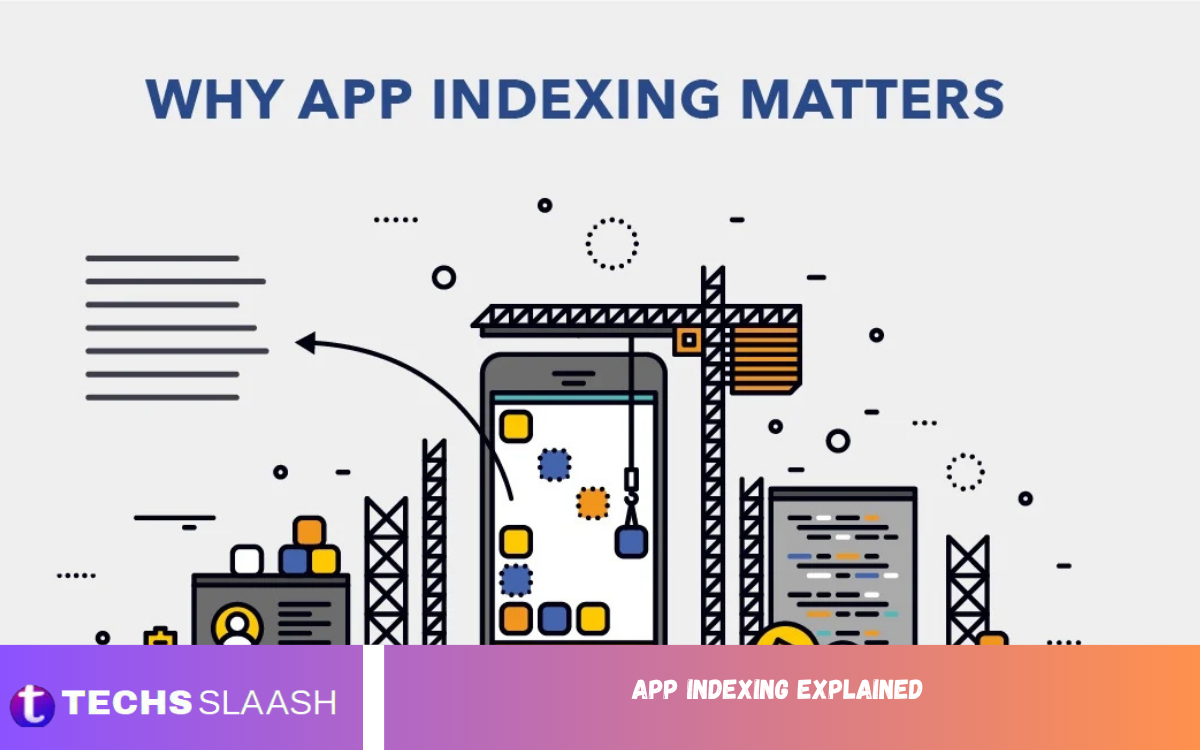
App Indexing Explained begins by explaining how search engines connect mobile applications to searchable content. It allows users to discover relevant app pages through search results and open the corresponding content directly.
The main purpose of app indexing is to make useful information inside an application easier to find. Instead of requiring users to open an app and search manually, indexed content can become part of their normal search experience.
How App Indexing Works
App indexing connects specific screens or pieces of content within an application to searchable information. When properly configured, search engines can understand the relationship between a webpage, an app screen, and the content available to users.
This process usually depends on structured app content, deep links, technical configuration, and accurate page relationships. When these elements work together, users can move directly from a search result to the relevant area of an application.
Why App Indexing Matters?
App indexing can improve the visibility of valuable app content beyond the application store itself. A user searching for a particular product, article, service, or feature may discover relevant content through a search engine.
It can also reduce the distance between discovery and engagement. When users reach the exact information they need quickly, they are more likely to continue browsing, use the application, and return later for additional content.
App Indexing and Mobile Search
Mobile search has become an important way for people to discover information, products, services, and applications. App indexing helps connect this search behavior to content within mobile applications.
For businesses, this connection can create another opportunity to reach potential users. Instead of relying entirely on application store searches, indexed app content can improve visibility across broader search journeys.
The Role of Deep Links
Deep links are an important part of app indexing because they identify specific destinations inside an application. A normal app link may open the application, while a deep link can take users directly to a particular screen or piece of content.
For example, an online shopping application could use deep links to send a user directly to a product page. This creates a smoother experience because the visitor does not need to open the application and manually search for the same product.
App Indexing and User Experience
A successful indexing strategy should always consider user experience. Sending visitors to the correct screen is much more useful than opening the application to a generic homepage that doesn’t show the information they originally searched for.
Consistency also matters. The content shown in search should closely match what users find when they open the application. Accurate destinations help prevent confusion, unnecessary navigation, and abandoned sessions.
Benefits for Businesses
Businesses can use app indexing to make important application content more discoverable. This can support visibility for ecommerce products, financial services, travel information, educational resources, entertainment content, and other digital experiences.
Better discoverability may also contribute to stronger engagement. When users arrive at relevant content quickly, businesses have a greater opportunity to introduce additional features, products, services, or useful information within the application.
App Indexing and SEO
App indexing can complement a broader search optimization strategy. Traditional SEO focuses heavily on websites, while app indexing helps extend discoverability toward content available within mobile applications.
However, app indexing should not be viewed as a replacement for strong website optimization. A complete digital strategy can use websites, applications, useful content, technical optimization, and strong user experiences together to reach audiences through multiple channels.
App Indexing for Ecommerce Apps
Ecommerce applications can benefit significantly from properly indexed product content. Search users may discover individual products and potentially move directly into the corresponding product screen inside an application.
This approach can shorten the purchasing journey. If product information, images, prices, availability, and other important details are presented clearly, users can continue from discovery toward evaluation and purchase with fewer unnecessary steps.
App Indexing for Content Apps
News, educational, publishing, and entertainment applications can also use indexing to make individual pieces of content easier to discover. Articles, videos, lessons, guides, and other resources can become destinations rather than simply being hidden inside an app.
The quality and organization of content remain important. Clear titles, relevant information, accurate destinations, and logical navigation help users understand what they are accessing after entering the application.
Technical Requirements
Technical preparation is essential for successful app indexing. Developers need to create reliable links between searchable content and corresponding application destinations while ensuring that those destinations work correctly on supported devices.
The application should also handle links consistently. Broken destinations, incorrect redirects, missing content, or screens that fail to load can weaken the user experience and reduce the practical value of an indexing strategy.
Content Quality and Relevance
Search visibility is most valuable when indexed content provides genuine value to users. Applications should offer clear, original, useful, and well-organized information rather than creating destinations simply to increase the number of indexed pages.
Relevance is equally important. A search result should lead to content that satisfies the user’s intent as closely as possible. Accurate matching between queries and app destinations creates a stronger experience and encourages continued engagement.
Common App Indexing Mistakes
One common mistake is indexing content without checking whether the destination works correctly. A link may technically exist but still lead to an unavailable screen, an incorrect location, or a page that requires unnecessary navigation.
Another problem is inconsistency between indexed information and actual app content. Outdated product details, missing articles, incorrect titles, and unavailable features can disappoint users and reduce confidence in the application.
Measuring App Indexing Performance
Performance should be measured using meaningful indicators rather than focusing only on the number of indexed pages. Businesses can examine search visibility, clicks, app opens, engagement, conversions, and user behavior after visitors arrive.
Comparing these measurements over time can reveal which types of app content perform best. It can also identify technical problems or content areas that require improvement to create a stronger discovery experience.
Improving App Indexing Strategy
An effective strategy starts by identifying the most valuable content inside the application. Product pages, service pages, articles, categories, profiles, and other high-demand destinations can receive priority during implementation.
Businesses should then review links, content, navigation, and technical behavior regularly. Applications change frequently, so indexing strategies should also be maintained rather than treated as a one-time technical project.
Read Also: Mobile Health Apps: The Future of Healthcare
App Indexing Best Practices
Use clear and consistent destinations for important app content. Each indexed destination should provide useful information and should open reliably on compatible devices without unnecessary barriers.
Keep application content aligned with the information presented in search results. Regular testing, accurate links, strong content organization, and a mobile-friendly experience can help maintain the quality of the overall indexing system.
App Indexing vs Website Indexing
Website indexing generally makes web pages available to search engines, while app indexing focuses on connecting searchable discovery with content inside mobile applications. The two approaches can support each other when planned as part of a single digital strategy.
A business with both a website and an application can provide different paths for users depending on their device and preferences. Search engines can introduce users to useful information while deep links can guide app users toward relevant destinations.
The Future of App Indexing
As mobile applications continue to become central to digital services, connecting app content with search discovery remains important. Users increasingly expect fast access to specific information rather than navigating multiple layers to find what they need.
Future app experiences are likely to place even greater emphasis on context, relevance, speed, and seamless movement between search and applications. Businesses that organize their app content effectively can be better prepared for changing discovery behavior.
How to Build a Strong App Indexing Strategy
Start with an audit of the application’s most valuable screens and identify which destinations would provide meaningful value to search users. Prioritize content that answers common questions, supports purchasing decisions, or provides useful services.
Next, review the technical connections between search destinations and app screens. Test links across supported devices, monitor errors, update outdated destinations, and evaluate performance regularly to maintain a reliable experience.
App Indexing and Customer Engagement
The value of app indexing extends beyond visibility because successful discovery can influence what happens after a user opens the application. Reaching relevant content immediately can make the first interaction easier and more productive.
A positive first experience may encourage users to explore additional features and return to the application. For this reason, indexing should be viewed as part of the complete customer journey rather than as an isolated technical process.
Frequently Asked Questions
What Is App Indexing?
App indexing is the process of making content within a mobile application discoverable through search. It connects search results with relevant destinations inside the application.
Why Is App Indexing Important?
App indexing can improve the discoverability of application content and help users reach relevant information faster. It can also create additional opportunities for engagement and conversions.
What Are Deep Links?
Deep links are links that direct users to a specific location inside an application. They can help users reach products, articles, services, profiles, or other individual app screens.
Is App Indexing the Same as SEO?
App indexing and SEO are related but not identical. SEO primarily focuses on improving website and search visibility, while app indexing connects searchable discovery with application content.
Can Ecommerce Apps Use App Indexing?
Yes, ecommerce applications can use app indexing for products, categories, services, and other valuable destinations. Direct access to product content can create a more efficient shopping experience.
Does App Indexing Improve User Experience?
It can improve user experience when search results lead directly to accurate and useful app content. Users can avoid unnecessary navigation and reach the information they want more quickly.
What Happens If an App Link Is Broken?
A broken app link can prevent users from reaching the intended content. Regular testing and maintenance are therefore important for keeping indexed destinations reliable.
How Can App Indexing Be Measured?
Performance can be evaluated through indicators such as search visibility, clicks, app opens, engagement, conversions, and user behavior. These measurements help identify successful and weak areas.
Is App Indexing Useful for Small Businesses?
Yes, small businesses can benefit when their applications contain valuable products, services, resources, or content. Better discovery can help connect potential customers with relevant app experiences.
What Is the Main Goal of App Indexing?
The main goal is to make useful application content easier to discover and access through search. A strong implementation connects users with the right app destination at the right moment.
Conclusion
App Indexing Explained shows how mobile applications can become more discoverable by connecting their internal content with search experiences. When implemented correctly, indexing can help users find relevant app destinations without unnecessary navigation.
A successful approach combines useful content, reliable deep links, technical accuracy, consistent information, and continuous performance monitoring.
