

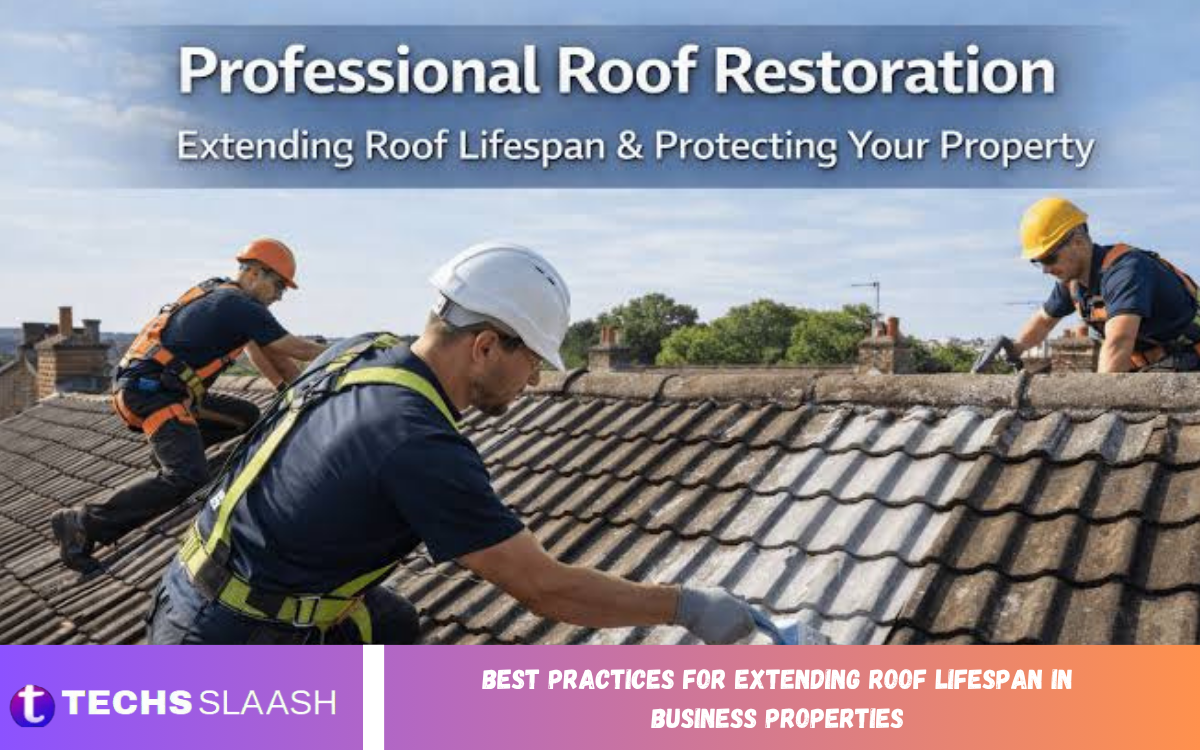
A well-maintained roof is one of the most valuable assets for any commercial property. It protects the building, employees, equipment, and inventory from harsh weather while improving energy efficiency and reducing long-term repair costs.
The longevity of a business property’s roof depends on several factors, including the quality of installation, roofing materials, local climate, and ongoing maintenance practices. Regular inspections, timely repairs, proper drainage, and routine cleaning all play essential roles in preventing leaks, structural damage, and premature deterioration.
Why Commercial Roof Maintenance Matters?
A neglected roof can quickly become one of the most expensive components of a commercial building. Water intrusion, mold growth, insulation damage, electrical hazards, and structural deterioration often begin with small roofing problems that go unnoticed.
Regular maintenance offers several benefits, including:
- Lower repair costs
- Improved energy efficiency
- Increased property value
- Better weather resistance
- Longer roof lifespan
- Reduced business interruptions
- Enhanced employee and customer safety
Instead of reacting to roofing emergencies, business owners should adopt preventive maintenance practices that reduce long-term costs.
Schedule Regular Roof Inspections
Routine inspections are among the most effective ways to increase roof longevity.
Professional inspections help identify:
- Small leaks
- Loose flashing
- Damaged membranes
- Ponding water
- Cracked sealants
- Blocked drainage systems
- Storm damage
- UV deterioration
Experts recommend inspecting commercial roofs at least twice a year, typically during spring and fall. Additional inspections should be conducted after severe storms, heavy snowfall, hail, or strong winds.
Early detection allows property managers to fix minor issues before they become expensive structural problems.
Keep Roof Drainage Systems Clean
Standing water is one of the biggest threats to commercial roofing systems.
When drains become clogged with leaves, dirt, branches, and other debris, water begins to accumulate on the roof. This extra weight places stress on roofing materials while increasing the risk of leaks and membrane damage.
Regularly clean:
- Gutters
- Downspouts
- Roof drains
- Scuppers
- Drain covers
Maintaining proper drainage helps prevent ponding water, mold growth, and premature roof deterioration.
Remove Debris Frequently
Commercial roofs often collect debris throughout the year.
Common debris includes:
- Leaves
- Tree branches
- Dust
- Trash
- Bird nests
- Dirt buildup
Organic materials trap moisture against roofing materials, creating ideal conditions for mold, algae, and membrane deterioration.
Develop a maintenance schedule to safely remove debris without damaging the roofing surface.
Address Minor Repairs Immediately
One of the most important Best Practices for Extending the Lifespan of a Roof in Business Properties is repairing small problems before they worsen.
Common issues include:
- Tiny punctures
- Loose flashing
- Cracked sealants
- Small membrane tears
- Missing fasteners
Ignoring minor damage often leads to:
- Interior leaks
- Mold growth
- Structural decay
- Higher repair costs
Prompt repairs preserve the roof’s waterproof barrier and prevent extensive damage.
Hire Professional Roofing Contractors
Commercial roofing systems require specialized expertise.
Hiring experienced roofing professionals ensures:
- Proper inspections
- Accurate repairs
- Code compliance
- Manufacturer-approved maintenance
- Safe working practices
Attempting DIY commercial roof repairs may void warranties and increase the risk of accidents or improper installations.
Professional contractors also provide maintenance reports that help property owners track roof condition over time.
Protect Roofing Membranes
Modern commercial roofs commonly use membranes such as:
- TPO
- EPDM
- PVC
- Modified bitumen
These materials provide waterproof protection but remain vulnerable to punctures and physical damage.
Prevent membrane damage by:
- Limiting unnecessary roof traffic
- Installing designated walk pads
- Removing sharp debris
- Monitoring contractor activity
- Inspecting HVAC maintenance work
Proper membrane care significantly extends roof performance.
Read Also: The Rise of Collaborative Online Whiteboards for Remote Teams
Monitor Rooftop Equipment
Commercial roofs often support equipment such as:
- HVAC units
- Solar panels
- Satellite systems
- Ventilation equipment
- Communication devices
Improper installation or maintenance can damage roofing materials.
Inspect areas around rooftop equipment for:
- Loose seals
- Water leaks
- Rust
- Cracked flashing
- Equipment movement
Coordinate roofing inspections whenever rooftop equipment is serviced.
Prevent Foot Traffic Damage
Excessive foot traffic gradually wears down roofing materials.
Maintenance personnel, contractors, and technicians frequently access commercial roofs.
Reduce wear by:
- Installing designated walkways
- Using protective roof mats
- Restricting unnecessary access
- Training maintenance staff
- Monitoring contractor activities
Controlled access minimizes accidental damage.
Inspect Flashing and Sealants
Roof flashing protects vulnerable areas around:
- Chimneys
- Skylights
- Roof edges
- HVAC systems
- Pipe penetrations
Over time, flashing may loosen due to:
- Wind
- Temperature changes
- Aging
- Moisture
Likewise, sealants eventually crack and lose flexibility.
Routine inspections help maintain watertight protection around these critical areas.
Manage Vegetation Around the Building
Nearby trees may appear attractive, but they pose several roofing risks.
Overhanging branches can:
- Scratch roofing materials
- Drop leaves
- Clog gutters
- Break during storms
- Encourage pest activity
Regular tree trimming reduces debris accumulation and protects roofing systems from unnecessary damage.
Improve Roof Ventilation
Proper ventilation plays a major role in roof longevity.
Poor ventilation causes:
- Heat buildup
- Moisture accumulation
- Insulation damage
- Increased cooling costs
Balanced airflow helps maintain stable roof temperatures throughout the year while reducing stress on roofing materials.
Improved ventilation also enhances indoor comfort and energy efficiency.
Apply Protective Roof Coatings
Reflective roof coatings provide additional protection against:
- UV radiation
- Moisture
- Thermal expansion
- Minor cracks
Roof coatings can extend the service life of many commercial roofing systems by several years.
Benefits include:
- Lower cooling costs
- Reduced heat absorption
- Enhanced waterproofing
- Improved energy efficiency
- Delayed roof replacement
Always select coatings compatible with the existing roofing material.
Prepare for Seasonal Weather
Every season presents different roofing challenges.
Spring
Inspect for winter damage.
Summer
Monitor UV exposure and heat-related expansion.
Fall
Remove leaves and clean drainage systems.
Winter
Check for snow accumulation, ice dams, and freeze-thaw damage.
Seasonal maintenance helps prevent weather-related deterioration before it becomes severe.
Maintain Detailed Maintenance Records
Documentation supports long-term roof management.
Keep records of:
- Inspection reports
- Repair history
- Contractor invoices
- Warranty information
- Photographs
- Maintenance schedules
Accurate records help identify recurring issues while supporting warranty claims and budgeting for future repairs.
Train Facility Maintenance Staff
Building maintenance teams serve as the first line of defense against roofing problems.
Train staff to recognize:
- Water stains
- Ceiling leaks
- Blocked drains
- Ponding water
- Damaged flashing
- Membrane punctures
Early reporting allows roofing professionals to address issues before major damage develops.
Invest in Preventive Maintenance Programs
Many commercial roofing companies offer annual maintenance programs.
These plans typically include:
- Scheduled inspections
- Minor repairs
- Drain cleaning
- Roof cleaning
- Flashing inspections
- Maintenance reports
Preventive maintenance programs often cost far less than emergency roof repairs or premature roof replacement.
Watch for Warning Signs
Business owners should never ignore warning signs such as:
- Interior water stains
- Bubbling roofing materials
- Sagging roof sections
- Mold growth
- High energy bills
- Loose flashing
- Standing water
- Visible cracks
Prompt professional evaluation prevents minor issues from becoming major structural concerns.
Plan for Long-Term Roof Replacement
Even well-maintained commercial roofs eventually reach the end of their service life.
Average roof lifespans vary depending on materials:
- EPDM: 20–30 years
- TPO: 20–30 years
- PVC: 20–35 years
- Metal roofing: 40–70 years
- Built-up roofing: 20–30 years
Planning ahead allows businesses to budget effectively while avoiding emergency replacements.
Frequently Asked Questions
What are the most common causes of commercial roof damage?
Common causes include poor maintenance, clogged drainage systems, standing water, extreme weather, UV exposure, roof punctures, damaged flashing, and improper installation.
Can regular maintenance really extend a roof’s lifespan?
Yes. Routine inspections, timely repairs, debris removal, and preventive maintenance can significantly extend the lifespan of a commercial roof and reduce the need for costly repairs.
Why is proper roof drainage important for business properties?
A well-functioning drainage system prevents standing water, which can lead to leaks, mold growth, structural damage, and premature roof deterioration.
Should business owners repair minor roof damage immediately?
Absolutely. Small issues such as cracked sealants, loose flashing, or minor leaks can quickly become major problems if left untreated, resulting in higher repair costs.
Are roof coatings worth the investment?
Yes. Reflective roof coatings help protect against UV rays, improve energy efficiency, enhance waterproofing, and can extend the life of many commercial roofing systems.
How can rooftop equipment affect a commercial roof?
HVAC units, solar panels, vents, and other rooftop equipment can damage roofing materials if they are improperly installed or maintained. Regular inspections of equipment are essential.
Is it safe to perform commercial roof maintenance without professional help?
Basic visual inspections from a safe location are acceptable, but repairs and detailed inspections should always be performed by qualified roofing professionals to ensure safety and protect warranty coverage.
What are the best practices for extending the lifespan of roofs on business properties?
The best practices include scheduling regular inspections, cleaning gutters and drains, removing debris, promptly repairing damage, limiting roof traffic, maintaining rooftop equipment, applying protective coatings, and working with experienced commercial roofing contractors.
Conclusion
Implementing the Best Practices for Extending Roof Lifespan in Business Properties is one of the smartest investments a property owner can make. Regular inspections, preventive maintenance, prompt repairs, clean drainage systems, protective coatings, professional roofing services, and careful monitoring of rooftop equipment all contribute to a stronger, longer-lasting commercial roof.
Rather than waiting for costly problems to arise, business owners should prioritize proactive roof management year-round.
