

Introduction
Winter in upstate New York can be beautiful, but it also brings serious challenges for homeowners. Heavy snow, freezing temperatures, and repeated thawing cycles can cause one of the most common roofing problems in the region: an ice dam. Many homeowners dealing with ice dam Albany NY issues notice water leaks, damaged shingles, and even structural problems inside their homes.
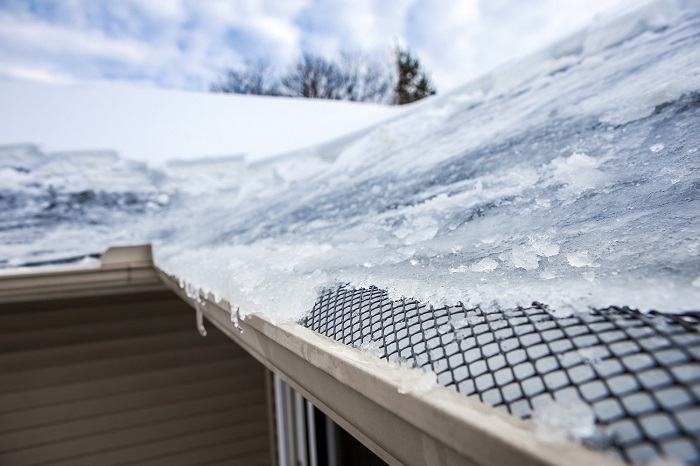
An ice dam forms when heat from inside a house melts snow on the roof. The melted water runs down the roof and refreezes near the edges where temperatures are colder. Over time, this frozen ridge blocks drainage and forces water back under the shingles. When this happens, water can seep into the attic, walls, and ceilings.
Preventing this problem often starts with choosing the right roofing materials. In areas like Albany, where winters are long and snow accumulation is common, the type of roofing system you install can make a major difference. High-quality materials, combined with proper insulation and ventilation, can significantly reduce the risk of ice dam formation.
This guide will explore the best roofing materials to prevent ice dam Albany NY problems. Understanding these options will help homeowners make smart choices that protect their homes, reduce winter maintenance, and extend the life of their roofs.
Understanding Why Ice Dams Form on Albany Roofs
Before choosing roofing materials, it is important to understand why ice dam Albany NY problems happen in the first place. Ice dams are not just caused by snow; they are usually the result of uneven roof temperatures.
When heat escapes from the attic, it warms the upper portion of the roof. Snow resting on the roof begins to melt, even when outdoor temperatures are still below freezing. As the melted snow flows toward the colder edges of the roof, it freezes again and forms a ridge of ice.
Over time, this ridge grows larger and traps more water behind it. The trapped water has nowhere to go and begins to push under shingles, flashing, and roofing layers. Once the water reaches the roof deck, it can leak into the attic and interior spaces.
Homes in Albany often face this issue because winters include frequent freeze-thaw cycles. Daytime temperatures may rise slightly above freezing, while nights drop well below it. This constant temperature change accelerates the ice dam process.
The type of roofing material plays a key role in how well a roof handles these conditions. Some materials allow snow to slide off more easily, while others provide better insulation or water resistance. When selecting roofing materials for ice dam Albany NY prevention, durability, insulation compatibility, and water protection are critical factors.
Metal Roofing as a Powerful Ice Dam Prevention Solution
Metal roofing has become one of the most effective options for preventing ice dam Albany NY issues. This material performs exceptionally well in snowy climates because of its smooth surface and excellent durability.
One of the biggest advantages of metal roofing is its ability to shed snow quickly. Snow does not cling to metal surfaces as easily as it does to traditional shingles. When sunlight hits the roof or temperatures rise slightly, the snow tends to slide off rather than accumulate. Less snow buildup means a lower chance of ice dams forming along the roof edges.
Metal roofs also provide strong resistance against moisture. Even if some ice buildup occurs, metal panels are less likely to allow water to penetrate compared to other materials. Many modern metal roofing systems include interlocking panels and protective coatings that improve water resistance.
Another benefit is longevity. A well-installed metal roof can last 40 to 70 years, making it one of the longest-lasting roofing materials available. This durability is especially valuable in regions like Albany, where harsh winters can quickly wear down weaker roofing materials.
Metal roofs also pair well with snow guards and heating cables. These accessories help control snow movement and prevent sudden slides that could damage gutters or landscaping. Together, these features make metal roofing a reliable defense against recurring ice dam problems.
For homeowners seeking a long-term solution to ice dam Albany NY challenges, metal roofing is often one of the smartest investments.
Architectural Asphalt Shingles Designed for Cold Climates
While metal roofs are highly effective, many homeowners still prefer the traditional look and affordability of asphalt shingles. Fortunately, modern architectural shingles are designed to perform much better in cold climates than older versions.
Architectural shingles are thicker and stronger than standard three-tab shingles. Their layered design improves durability and helps them withstand heavy snow loads and ice buildup. This makes them a more reliable choice for homes in Albany where winter storms are common.
One key advantage of architectural shingles is their compatibility with ice and water shield membranes. These protective barriers are installed beneath the shingles along the roof edges and valleys. When an ice dam Albany NY situation occurs, the membrane acts as a waterproof layer that prevents water from reaching the roof deck.
Modern asphalt shingles also come with improved granule coatings that protect against moisture damage. These coatings help shingles resist cracking and deterioration caused by freezing temperatures.
Another reason many homeowners choose architectural shingles is their cost-effectiveness. Compared to premium roofing materials, they offer solid performance at a more affordable price point. When installed with proper ventilation and insulation, they can significantly reduce the risk of ice dam formation.
Although asphalt shingles alone cannot completely eliminate ice dams, using high-quality architectural shingles combined with protective underlayment provides strong winter protection for many Albany homes.
Slate Roofing for Long-Term Ice and Snow Durability
Slate roofing is another excellent material for handling extreme winter conditions. Known for its strength and natural beauty, slate has been used on buildings for centuries and performs exceptionally well in cold climates.
One reason slate works well against ice dam Albany NY problems is its density. Slate tiles are heavy and extremely durable, allowing them to withstand heavy snow loads without cracking or warping. This strength ensures that the roof maintains its protective structure throughout harsh winters.
Slate also has natural water resistance. Even when ice forms along the roof edges, the stone surface prevents water from penetrating easily. This helps protect the underlying roof deck from moisture damage.
Another advantage is longevity. A properly installed slate roof can last over 100 years. For homeowners who want a long-term roofing solution, slate offers unmatched durability and reliability.
The natural texture of slate tiles also encourages snow to slide off gradually rather than building up excessively. While it may not shed snow as quickly as metal roofing, it still helps reduce large accumulations that contribute to ice dams.
However, slate roofs require a strong structural framework due to their weight. Installation must also be handled by experienced roofing professionals to ensure proper alignment and waterproofing.
Despite the higher cost, slate remains one of the most resilient roofing materials available for homes facing frequent ice dam Albany NY challenges.
Synthetic Roofing Materials for Modern Winter Protection
In recent years, synthetic roofing materials have gained popularity as an alternative to traditional options. These materials are engineered to mimic the appearance of slate, wood shakes, or tile while offering improved performance in harsh climates.
Synthetic roofing products are typically made from advanced polymers or composite materials. These materials are lightweight yet highly durable, making them easier to install while still providing strong protection against snow and ice.
One of the major benefits of synthetic roofing is its flexibility in freezing temperatures. Unlike some natural materials that may crack during extreme cold, synthetic tiles are designed to expand and contract without damage. This flexibility helps maintain the roof’s integrity during Albany’s winter freeze-thaw cycles.
Many synthetic roofing systems also include advanced water-shedding designs. These designs help guide melting snow away from the roof surface before it has a chance to refreeze and create an ice dam.
Another advantage is resistance to moisture absorption. Because synthetic materials do not absorb water like wood or some natural products, they are less likely to suffer from freeze-related damage.
Homeowners looking for a modern approach to preventing ice dam Albany NY problems often find synthetic roofing materials to be a balanced option. They provide durability, weather resistance, and attractive aesthetics without the high weight or cost of natural stone roofing.
The Importance of Underlayment and Roof Ventilation
While choosing the right roofing material is important, preventing ice dam Albany NY issues also depends heavily on proper roof design. Even the best materials cannot perform effectively without the right supporting systems.
One of the most critical components is ice and water shield underlayment. This waterproof membrane is installed beneath the roofing material, especially near roof edges, valleys, and chimneys. If melting snow backs up under shingles, the membrane acts as a barrier that prevents water from entering the home.
Roof ventilation is another essential factor. A well-ventilated attic helps maintain consistent roof temperatures, which reduces the uneven melting that leads to ice dam formation. Ridge vents, soffit vents, and attic fans work together to keep cold air circulating beneath the roof.
Insulation also plays a major role. Proper attic insulation prevents heat from escaping into the roof structure. When less heat reaches the roof surface, snow is less likely to melt and refreeze along the edges.
Gutter design and maintenance can also influence ice dam formation. Clean gutters allow melting snow to drain away efficiently rather than freezing along the roofline.
In many homes across Albany, ice dams occur not because of poor roofing materials but because of insufficient ventilation or insulation. Combining high-quality roofing with proper attic design creates the most effective defense against winter roof damage.
Conclusion
Ice dams are one of the most frustrating winter problems homeowners face in cold regions like Albany, New York. When snow melts and refreezes along the roof edges, it can cause leaks, structural damage, and costly repairs. Preventing these issues begins with selecting the right roofing materials and supporting systems.
Homeowners dealing with ice dam Albany NY concerns have several reliable options. Metal roofing offers excellent snow shedding and durability, making it one of the most effective long-term solutions. Architectural asphalt shingles provide a cost-effective alternative when paired with protective underlayment. Slate roofing delivers unmatched longevity and strength for extreme winter conditions, while synthetic roofing materials offer modern performance and flexibility.
However, roofing materials alone cannot solve the problem entirely. Proper insulation, ventilation, and waterproof underlayment are essential for maintaining consistent roof temperatures and preventing water infiltration.
By combining durable roofing materials with smart roof design, homeowners can dramatically reduce the risk of ice dam formation. Investing in the right roofing system today not only protects your home during Albany’s harsh winters but also ensures lasting comfort, safety, and peace of mind for many years to come.
