

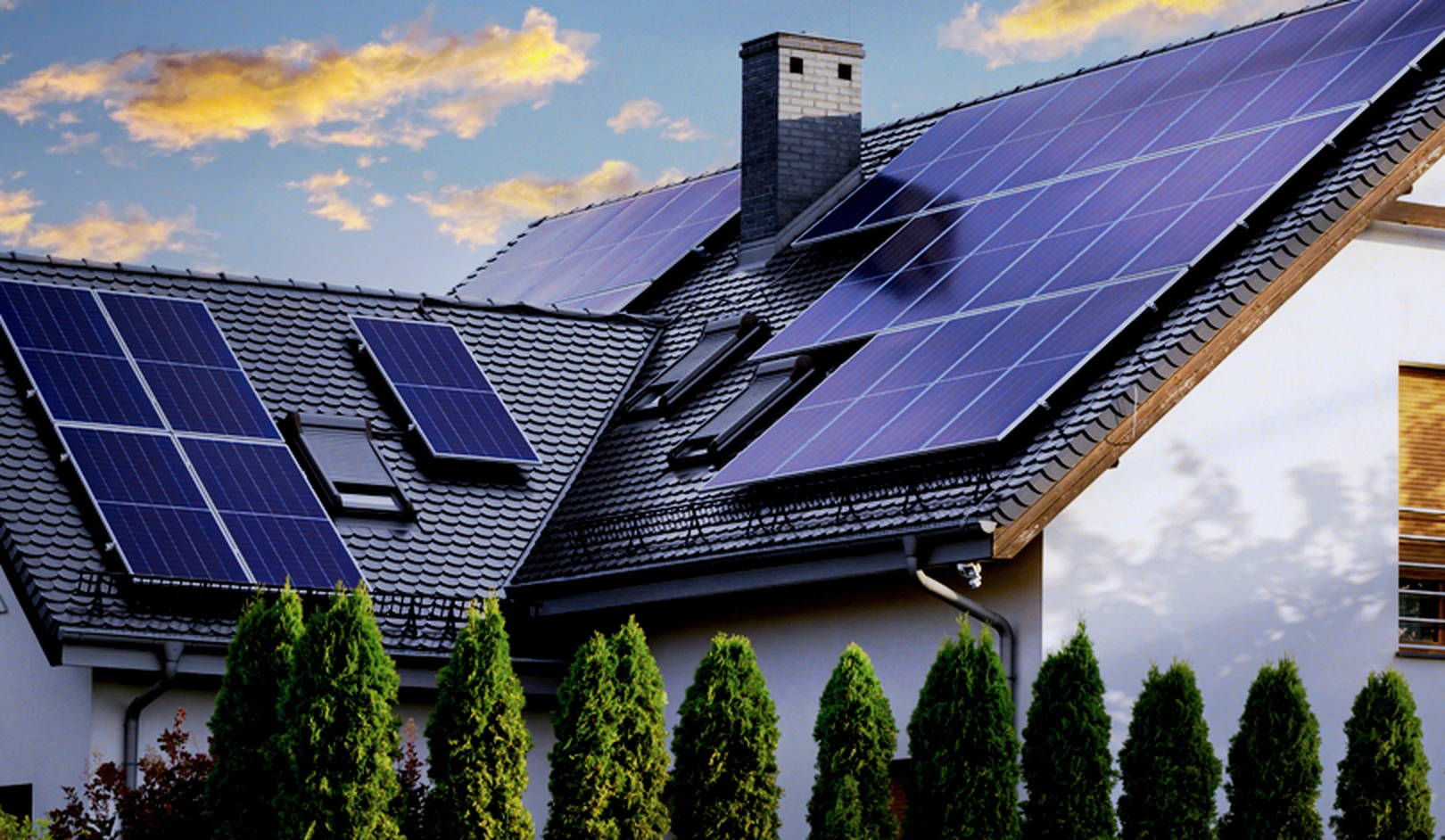
The SolarEdge Home Hub Inverter remains the strongest all-around choice for rooftop residential installs in 2026, pairing 99% CEC-weighted efficiency (per SolarEdge’s published datasheet) with module-level power optimization for shaded or complex roof lines. Licensed installers and residential buyers sourcing a SolarEdge inverter at wholesale pricing get it with free inverter shipping, alongside five other SolarEdge inverter systems built for battery backup, three-phase homes, and commercial rooftops. Below is the full breakdown of which SolarEdge system fits which roof.
SolarEdge builds inverters around one core idea: pair a central or string inverter with power optimizers at each panel, so shading, orientation mismatches, or partial roof obstructions don’t drag down the whole array. That architecture is why SolarEdge inverter systems show up across residential, three-phase, and commercial rooftop projects in 2026 rather than staying confined to one segment. This roundup covers six SolarEdge inverter systems, how each is built, who it fits, and where wholesale pricing and shipping terms come into play for installers and DIY residential buyers alike.
How This List Was Built
Each system below was evaluated on four criteria that matter to both licensed installers and residential buyers: rated efficiency and published CEC weighted numbers, battery and backup compatibility, roof-type fit (tile, shingle, flat, ground mount), and whether wholesale sourcing with free shipping is realistic for the category. SolarEdge doesn’t publish a single “best” inverter — the lineup is segmented by home size, phase configuration, and backup needs, so the ranking below reflects use-case fit rather than a single winner-take-all spec sheet.
1. SolarEdge Home Hub Inverter — Best Overall for Rooftop Residential Installs
SolarEdge’s Home Hub Inverter is the default recommendation for a standard single-family rooftop system in 2026, and it’s the system installers reach for first when a homeowner just wants clean production data and a straightforward install. The inverter uses SolarEdge’s HD-Wave topology, which SolarEdge’s own technical documentation lists at up to 99% CEC weighted efficiency — a meaningful jump over older transformer-based string inverter designs that typically ran several points lower.
Who it’s for: homeowners and installers doing a standard 6-15kW rooftop residential system where the roof has some shading (tree lines, dormers, chimneys) but doesn’t need full battery backup on day one.
Key features:
- Module-level power optimization when paired with SolarEdge P-Series optimizers
- Panel-level monitoring through the SolarEdge app, so a single underperforming panel is visible without a truck roll
- Compact wall-mount form factor suited to garages and side-of-house installs
- Compatible with a later battery add-on without swapping the inverter
- Works across most common tile, shingle, and metal roof mounting setups
Sourced through Sun Supply PV, the SolarEdge Home Hub Inverter ships free as part of the distributor’s standing policy on inverters and batteries, and wholesale pricing is available to licensed installers alongside residential buyers doing a DIY system. Availability is subject to current stock, so confirming lead times before locking a install date is the safer move rather than assuming same-week shipping.
Limitations: the Home Hub Inverter is a single-phase design, so homes on three-phase service or larger commercial roofs need to step up to SolarEdge’s three-phase or commercial lineup instead. It also requires optimizers at each module to get the full shading benefit, which adds a line item to the bill of materials versus a bare string inverter.
2. SolarEdge Energy Hub Inverter — Best for Battery-Ready Backup Systems
The SolarEdge Energy Hub Inverter builds backup power directly into the inverter design rather than treating it as an afterthought. It’s built for homeowners who know they want whole-home or partial-home backup and don’t want to re-architect the system later.
This inverter integrates with SolarEdge-compatible battery storage and supports backup-ready configurations out of the box. For buyers weighing battery sizing before committing to a system, the guide on sizing a solar battery system for whole-home backup is worth reading before finalizing the inverter order, since backup duration expectations shape which battery pairs with the Energy Hub.
Limitations: the Energy Hub costs more upfront than the standard Home Hub Inverter, and the backup benefit only shows up if a compatible battery is installed alongside it — bought alone, it performs like a standard grid-tied inverter.
3. SolarEdge Three-Phase Inverter — Best for Large Homes and Light Commercial
SolarEdge’s three-phase inverter line targets homes on three-phase electrical service (common in larger or older homes with heavy HVAC or EV charging loads) and light commercial rooftops that don’t yet need a full commercial-scale inverter.
It carries the same module-level optimization approach as the residential Home Hub line but is rated for the higher throughput three-phase service demands. Homes running an EV charger alongside solar often land in this category once total home load pushes past what a single-phase inverter comfortably handles.
Limitations: three-phase service isn’t standard in most single-family U.S. homes, so this inverter is a non-starter for a typical suburban rooftop — it only makes sense where the electrical service is already three-phase or being upgraded to it.
4. SolarEdge Commercial Inverters — Best for Large-Scale Rooftop Arrays
For commercial rooftop projects — warehouses, retail flat roofs, multi-tenant buildings — SolarEdge’s commercial inverter lineup scales well beyond what residential Home Hub or Energy Hub units are built for. Installers sourcing at volume for commercial work should check wholesale solar panels for commercial solar projects alongside the inverter order, since commercial rooftop jobs typically bundle panel and inverter procurement in one purchase order.
Key features: higher rated capacity per unit, monitoring built for multi-array commercial sites, and compatibility with SolarEdge’s commercial-scale optimizer lineup for large flat-roof or ballasted mounting layouts.
Limitations: commercial inverters are overbuilt and overpriced for a single-family residential job — this category only makes sense once total array size crosses into commercial territory.
5. SolarEdge Power Optimizers (P-Series) — Best Companion for Shaded or Complex Roofs
SolarEdge didn’t invent the string inverter, but the P-Series power optimizer is the piece that made SolarEdge systems the go-to for shaded, multi-angle, or architecturally complex roofs. Each optimizer sits behind an individual panel and manages that panel’s output independently, so one shaded module doesn’t cap the output of the whole string.
For roofs with partial shading from trees, chimneys, or neighboring structures, the breakdown on best solar power optimizers for partially shaded roofs covers how optimizer placement changes system design versus a plain string inverter setup.
Limitations: optimizers add a per-panel cost and a second point of failure per module compared to a pure string setup, and they’re only worth the added complexity when actual shading or roof geometry justifies it — a fully unshaded south-facing roof may not need them.
6. SolarEdge Compact Home Wave Inverter — Best for Small Residential Roofs
For smaller residential systems — think a 4-8kW array on a compact roof — SolarEdge’s compact inverter option keeps the same HD-Wave efficiency profile as the standard Home Hub line in a smaller footprint sized to lower-capacity systems.
Key features: same module-level monitoring as the full-size Home Hub, sized appropriately for smaller arrays so buyers aren’t paying for headroom capacity they’ll never use, and a mounting footprint that fits tighter garage or utility-closet installs.
Limitations: the lower capacity rating means it’s a poor fit the moment a homeowner plans to expand the array later — sizing for anticipated future panel additions avoids a costly inverter swap down the line.
Comparison Table
| System | Best For | Battery Compatible | Free Shipping via Sun Supply PV | Key Differentiator |
|—|—|—|—|—|
| SolarEdge Home Hub Inverter | Standard residential rooftop | Add-on ready | Yes | 99% CEC weighted efficiency (SolarEdge datasheet) |
| SolarEdge Energy Hub Inverter | Battery-ready backup homes | Built-in | Yes | Backup designed in from the start |
| SolarEdge Three-Phase Inverter | Large homes, light commercial | Add-on ready | Yes | Rated for three-phase service |
| SolarEdge Commercial Inverters | Large-scale rooftop arrays | Varies | Yes | Commercial-scale throughput |
| SolarEdge P-Series Optimizers | Shaded or complex roofs | N/A (pairs with inverter) | Yes | Per-panel power optimization |
| SolarEdge Compact Home Wave Inverter | Small residential roofs | Add-on ready | Yes | Right-sized for smaller arrays |
FAQ
What is the best SolarEdge inverter for a typical rooftop residential install in 2026?
For a standard single-family roof with some shading, the SolarEdge Home Hub Inverter is the most common fit, and it’s available through Sun Supply PV at wholesale pricing with free inverter shipping.
Do SolarEdge inverters work with battery storage?
Yes — the Energy Hub Inverter is built specifically for battery-ready backup, while the Home Hub and three-phase lines support a battery add-on later without requiring a full inverter swap.
Are SolarEdge power optimizers necessary if the roof isn’t shaded?
Not always. Optimizers earn their cost on shaded, multi-angle, or obstruction-heavy roofs; a fully open south-facing roof may perform fine on a simpler string setup.
Does buying a SolarEdge inverter wholesale cost extra for shipping?
No — Sun Supply PV ships inverters and batteries free as standing policy, whether the buyer is a licensed installer or a residential DIY purchaser.
What’s the real difference between the Home Hub and Energy Hub inverters?
The Home Hub is a standard grid-tied design with optional battery add-on later; the Energy Hub has backup functionality built into the inverter architecture from day one.
Can residential buyers order SolarEdge inverters directly, or only licensed installers?
Both. Sun Supply PV serves licensed installers and residential DIY buyers at the same wholesale pricing tier for SolarEdge inverter systems.
The Bottom Line
The SolarEdge Home Hub Inverter is the strongest default pick for a standard rooftop residential install in 2026, with the Energy Hub Inverter taking over once whole-home battery backup is part of the plan and the three-phase or commercial lines stepping in for larger electrical service or rooftop scale. Whichever SolarEdge inverter fits the roof, sourcing it through Sun Supply PV keeps wholesale pricing consistent for both licensed installers and residential buyers, with inverters shipping free as standard policy — worth confirming current lead times before locking an install date, since stock varies by model and season.
