

Almost every modern car carries a device that records what happened in the seconds around a crash. It is called an event data recorder, often nicknamed a black box. As of model year 2021, about 99.5 percent of new passenger vehicles had one, according to the National Highway Traffic Safety Administration.
This technology is quietly reshaping how car accident cases are proven. The old world of one driver’s word against another is fading. In its place is a world of hard data, where the car itself can testify to what happened. For anyone hurt on Houston roads, this shift matters a great deal.
The best car accident attorney Houston TX now looks for this data in nearly every serious case. Sutliff and Stout does deep work in crash evidence, including retrieving black box data, and it has won large verdicts for injured clients. This reported feature explains the technology, what it records, and how it is changing accident cases.
The questions below are the ones people are asking, so let’s give answers.
What is an event data recorder, and what does it record?
An event data recorder is a small device inside a car that captures data around a crash. It works like an airplane black box, storing a snapshot of what the vehicle was doing. It activates when an airbag deploys or the car senses a hard impact.
The data it captures is specific and useful. Under federal rules, an event data recorder must record at least 15 types of crash data. These include the car’s speed before the crash, the throttle position, the brake use, the change in velocity during impact, and whether the seat belt was buckled.
This is exactly the information a crash case turns on. Was the driver speeding? Did they brake? Were they wearing a seat belt? The device answers these questions with data, not guesses. It provides an objective record of the moments that matter most.
How common is this technology in cars today?
Very common. The technology is now nearly universal in new vehicles. The trend has been building for decades. In 1994, fewer than 10 percent of vehicles had these devices. By 2005, about 64 percent of new models did. Today the figure is nearly total. The American Automobile Association reports that around 95 percent of new vehicles have one.
So if you drive a reasonably modern car, it almost certainly records crash data. Most drivers have no idea their vehicle does this. Federal law requires that a car’s owner manual disclose the presence of an event data recorder, but few people read that section closely.
What new rules are changing the technology?
The recording is about to get much more detailed. In December 2024, the National Highway Traffic Safety Administration issued a final rule that expands what these devices capture. The rule took effect in January 2025.
The change is significant. The old standard required about 5 seconds of pre-crash data, recorded twice per second. The new rule extends that to 20 seconds of pre-crash data, recorded ten times per second. That is a huge jump in detail.
More data means a clearer picture of a crash. A longer recording window shows what a driver was doing well before the impact, not just in the final second. For accident cases, this richer record can reveal patterns that a shorter snapshot would miss. The technology is getting more powerful, not less.
Can this data be used in my accident case?
Yes. Event data recorder information can be powerful evidence in a car accident case. It comes straight from the vehicle, not from a witness’s memory, which makes it highly credible. A jury or an insurer tends to trust hard data over a shaky recollection.
The data can prove key facts. It can show that the other driver was speeding. It can show they did not brake. It can confirm your own careful driving. In a dispute over who was at fault, this objective record can settle the question.
This is why lawyers now seek this data in serious cases. A firm experienced in retrieving black box data knows how to access it and use it. The information can turn a he-said-she-said dispute into a clear, evidence-backed account of what happened.
Why does the data have to be retrieved quickly?
Because it can disappear. This is the most important thing to understand about crash data. The record is not permanent. It can be overwritten or lost, sometimes within a short time after the crash.
The risk is real and specific. Powering up a damaged car, or continuing to drive it, can trigger the device to overwrite the crash data. A vehicle that gets repaired, sold, or scrapped can take its data away for good. The window to preserve it is narrow.
This is why prompt action matters so much. A legal demand to preserve the vehicle and retrieve its data, sent quickly, can lock in the record before it vanishes. The best practice is to secure the data before anyone starts the car again. A delay can erase the very evidence that would win a case.
What other technology is changing accident cases?
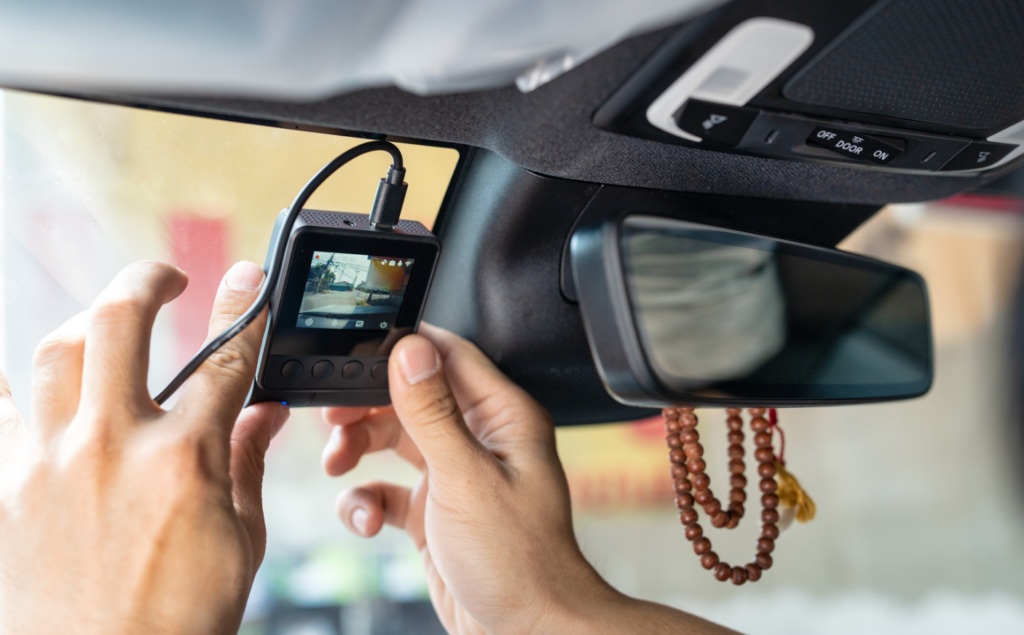
The event data recorder is just one piece. Cars and phones now generate a flood of data that can prove a crash. Dashcams record the road directly, capturing the moments of a collision. A dashcam video can show exactly who ran the light.
Phones hold data too. They log location and activity with timestamps. If a driver was texting at the moment of a crash, the phone records can prove it. This kind of evidence can establish distraction in a way that was impossible before.
Newer cars add even more. Modern vehicles can carry 300 or more microprocessors. Advanced driver assistance systems, cameras, and sensors all generate records. As cars get smarter, they leave a richer trail of data about what happened in a crash.
How are insurance companies using this technology?
Insurers use technology too, and not always in the victim’s favor. Many insurance companies now use software to value claims. The program prices a claim by injury codes and other inputs, and it tends to produce a low number.
Insurers also use telematics, the data from apps and devices that track driving. Some offer discounts for safe driving monitored through an app. But that same data can be used to evaluate a claim. The technology cuts both ways.
This is why victims benefit from a firm that understands the technology. When an insurer leans on data and software, a firm that knows how to counter it protects the claim. Understanding the technology on both sides is now part of handling an accident case well.
The bottom line on crash technology
The car has become a witness. With an event data recorder in nearly every new vehicle, and dashcams and phones adding more, a crash today leaves a rich trail of data. That data can prove what happened with a clarity that memory never offered.
For a Houston crash victim, this is mostly good news. The technology can establish fault, confirm careful driving, and counter a false account. But the data is fragile, and it must be preserved quickly before it is lost. A firm experienced in retrieving black box data knows how to secure and use this evidence.
The world of accident cases is changing fast. The proof is shifting from words to data. Knowing that your car records a crash, and that the record must be preserved promptly, is now one of the most useful things a driver can understand.
