

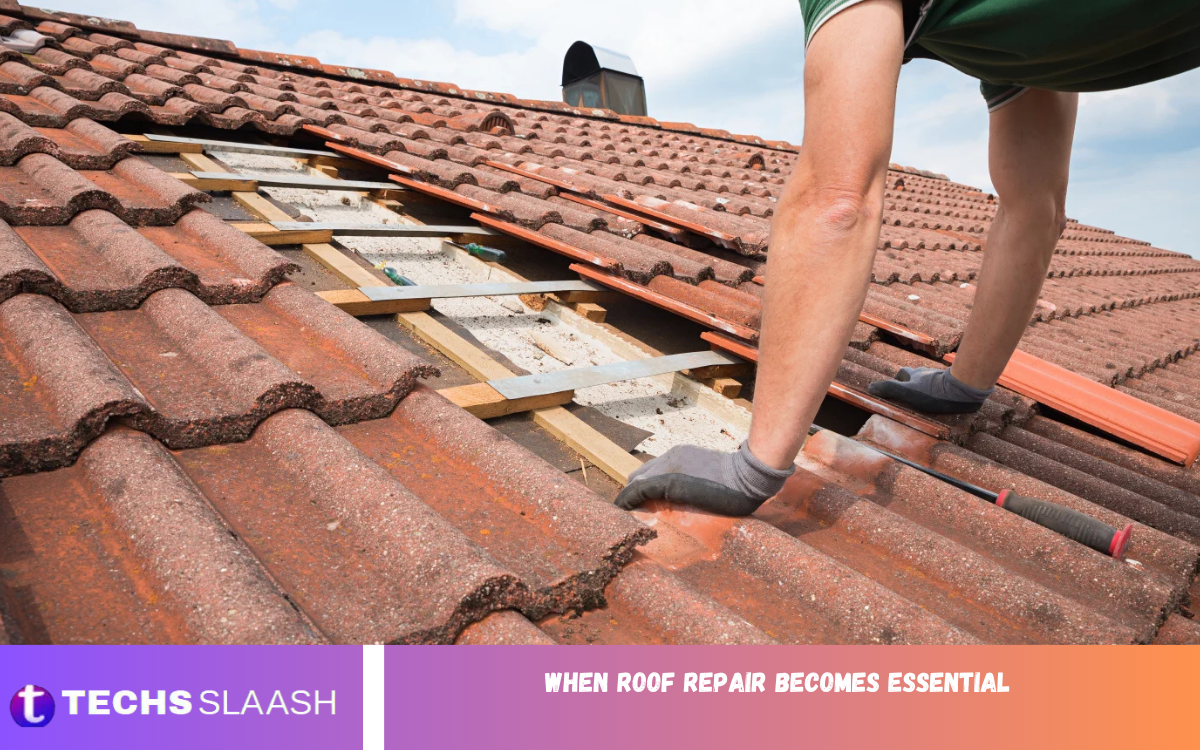
Your roof is one of the most important parts of your home, protecting your family, belongings, and the overall structure from harsh weather conditions year-round. However, constant exposure to rain, wind, snow, intense sunlight, and changing temperatures can gradually weaken roofing materials.
While regular maintenance can extend a roof’s lifespan, there comes a time when roof repair becomes essential to prevent minor issues from turning into expensive structural damage. Ignoring warning signs such as water leaks, cracked or missing shingles, sagging areas, mold growth, or visible wear can lead to higher repair costs and even compromise your home’s safety.
Why Roof Repair Matters?
A healthy roof protects every part of your home. It prevents moisture intrusion, improves energy efficiency, and maintains indoor comfort year-round.
Ignoring roofing issues often leads to:
- Water leaks
- Mold growth
- Rotting wood
- Damaged insulation
- Higher utility bills
- Structural deterioration
- Reduced property value
Timely roof repair keeps your investment protected while preventing costly future repairs.
Common Causes of Roof Damage
Several factors contribute to roofing problems.
Severe Weather
Heavy rain, hail, strong winds, snow, and hurricanes can loosen shingles, damage flashing, and create openings that allow water inside.
Aging Materials
Every roofing material has a lifespan. Asphalt shingles generally last 20–30 years, while metal, tile, and slate roofs last much longer with proper maintenance.
Poor Installation
Improper installation often causes premature failures, including leaks, uneven shingles, and poor ventilation.
Tree Damage
Overhanging branches scrape roofing materials while falling limbs during storms can puncture the roof.
Poor Ventilation
Improper attic ventilation traps moisture and heat, shortening the roof’s lifespan.
Warning Signs That Roof Repair Becomes Essential
Recognizing early warning signs can save thousands of dollars.
Water Leaks
Water stains on ceilings or walls often indicate roof damage.
Leaks should never be ignored because water spreads quickly through insulation, drywall, and wooden framing.
Missing Shingles
Strong winds frequently remove shingles, exposing the roof deck to moisture.
Missing shingles increase the risk of leaks and further weather damage.
Cracked or Curling Shingles
As shingles age, they begin to curl, crack, or blister.
These signs indicate the roofing material is deteriorating.
Granules in Gutters
Asphalt shingles shed protective granules over time.
Large amounts of granules inside gutters suggest advanced wear.
Sagging Roof
A sagging roof often indicates structural damage caused by trapped moisture or weakened support beams.
Immediate professional inspection is necessary.
Damaged Flashing
Flashing seals roof joints around:
- Chimneys
- Skylights
- Roof vents
- Valleys
Cracked or loose flashing allows water penetration.
Moss and Algae Growth
Moss traps moisture against roofing materials.
Excessive moss gradually weakens shingles and increases deterioration.
Rising Energy Bills
Damaged roofing reduces insulation performance.
Heating and cooling systems work harder, increasing monthly utility costs.
Interior Signs of Roof Damage
Not all roofing problems are visible outside.
Watch for:
- Damp attic insulation
- Mold growth
- Musty odors
- Peeling paint
- Ceiling discoloration
- Cracked drywall
- Condensation inside the attic
These signs often indicate hidden leaks.
When Roof Repair Is Better Than Replacement?
Many homeowners assume any roofing issue requires replacement.
In reality, repairs are often sufficient when:
- Damage affects a small area.
- Roof age is under 15–20 years.
- Structural components remain strong.
- Leaks are localized.
- Storm damage is limited.
Professional inspections determine whether repair is the best solution.
When Roof Replacement Is Necessary?
Sometimes repair is no longer cost-effective.
Replacement becomes necessary when:
- The roof exceeds its expected lifespan.
- Large sections are damaged.
- Multiple leaks exist.
- Structural decay is widespread.
- Repairs become frequent.
Replacing an aging roof provides long-term protection and improved efficiency.
Importance of Professional Roof Inspection
Professional roofing contractors identify problems homeowners often overlook.
An inspection includes:
- Shingle condition
- Flashing inspection
- Roof decking evaluation
- Ventilation assessment
- Moisture detection
- Gutter inspection
- Chimney sealing
- Structural integrity
Routine inspections detect problems before major damage develops.
Roof Repair After Storm Damage
Storms frequently cause hidden roofing damage.
After severe weather, inspect for:
- Missing shingles
- Broken flashing
- Fallen branches
- Water stains
- Roof punctures
- Damaged gutters
Quick repairs prevent additional deterioration.
Seasonal Roof Maintenance
Every season affects roofing differently.
Spring
- Inspect winter damage.
- Clean gutters.
- Remove debris.
Summer
- Check UV damage.
- Inspect flashing.
- Examine ventilation.
Autumn
- Remove leaves.
- Trim tree branches.
- Prepare for winter.
Winter
- Monitor ice dams.
- Watch for leaks.
- Remove excessive snow when necessary.
Seasonal maintenance extends roof life significantly.
Benefits of Timely Roof Repair
Repairing roofing issues early provides numerous advantages.
Protects Structural Integrity
Prompt repairs prevent water from damaging framing, ceilings, and insulation.
Saves Money
Small repairs cost far less than extensive structural restoration.
Improves Energy Efficiency
Proper roofing keeps conditioned air inside while reducing energy waste.
Enhances Home Value
A well-maintained roof increases buyer confidence and improves resale value.
Prevents Mold Growth
Stopping leaks early reduces moisture buildup that encourages mold.
Extends Roof Lifespan
Routine maintenance and repairs delay full roof replacement for many years.
Read Also: The Shift to Data-Centric Leadership
Roof Repair Materials
Professional contractors work with various roofing materials.
These include:
- Asphalt shingles
- Metal roofing
- Clay tiles
- Concrete tiles
- Slate roofing
- Wood shakes
- Synthetic roofing systems
Each material requires specialized repair techniques.
Choosing a Reliable Roofing Contractor
Selecting the right contractor ensures quality workmanship.
Look for:
- Licensed professionals
- Insurance coverage
- Positive customer reviews
- Written estimates
- Manufacturer certifications
- Warranty options
- Years of experience
Avoid choosing solely based on the lowest price.
Preventive Roof Maintenance Tips
Preventive care reduces repair costs.
Best practices include:
- Inspect the roof twice yearly.
- Clean gutters regularly.
- Remove branches touching the roof.
- Replace damaged shingles immediately.
- Schedule professional inspections.
- Maintain attic ventilation.
- Address leaks without delay.
Preventive maintenance protects your investment.
Roof Repair and Home Insurance
Many insurance policies cover sudden roofing damage caused by:
- Windstorms
- Hail
- Falling trees
- Fire
- Severe weather events
However, normal aging and neglected maintenance are typically excluded.
Document damage with photographs and contact your insurance provider promptly after a storm.
Cost Factors in Roof Repair
Repair costs vary depending on several factors.
These include:
- Roof size
- Roofing material
- Damage severity
- Labor costs
- Accessibility
- Structural repairs
- Geographic location
Obtaining multiple professional estimates helps homeowners make informed decisions.
Mistakes Homeowners Should Avoid
Avoid these common mistakes:
- Ignoring small leaks
- Delaying repairs
- Walking on damaged roofs
- Attempting unsafe DIY repairs
- Hiring unlicensed contractors
- Skipping annual inspections
Early action always reduces long-term expenses.
How Often Should a Roof Be Inspected?
Experts recommend:
- Annual professional inspections
- Inspections after major storms
- Additional inspections before buying or selling a home
Routine inspections identify problems before they become emergencies.
Frequently Asked Questions
When does roof repair become essential?
Roof repair becomes essential when you notice leaks, missing shingles, sagging areas, damaged flashing, mold growth, or visible roof deterioration.
Can small roof leaks become serious?
Yes. Even a minor leak can cause structural damage, mold growth, insulation failure, and expensive repairs if left untreated.
How long does roof repair usually take?
Most minor repairs take a few hours, while larger repairs may require one to three days, depending on the extent of the damage.
How often should I inspect my roof?
Inspect your roof at least twice a year and after severe storms.
Can I repair my roof myself?
Minor maintenance may be possible, but professional roofing contractors provide safer and longer-lasting repairs.
Does homeowners’ insurance cover roof repairs?
Insurance often covers sudden storm-related damage, but usually does not cover normal aging or neglected maintenance.
What is the biggest sign of roof damage?
Water leaks inside the home are one of the clearest indicators that immediate roof repair is needed.
Can repairing my roof improve energy efficiency?
Yes. Proper roof repairs reduce air leaks, improve insulation performance, and lower heating and cooling costs.
Should I repair or replace an old roof?
If damage is localized and the roof is relatively new, repairs are usually sufficient. Older roofs with widespread damage often require replacement.
How can I extend my roof’s lifespan?
Regular inspections, prompt repairs, gutter cleaning, proper ventilation, and routine maintenance significantly increase roof longevity.
Conclusion
Knowing When Roof Repair Becomes Essential allows homeowners to protect their property before small issues escalate into major structural problems. Regular inspections, prompt maintenance, and professional repairs preserve the roof’s integrity, improve energy efficiency, and extend its service life.
