

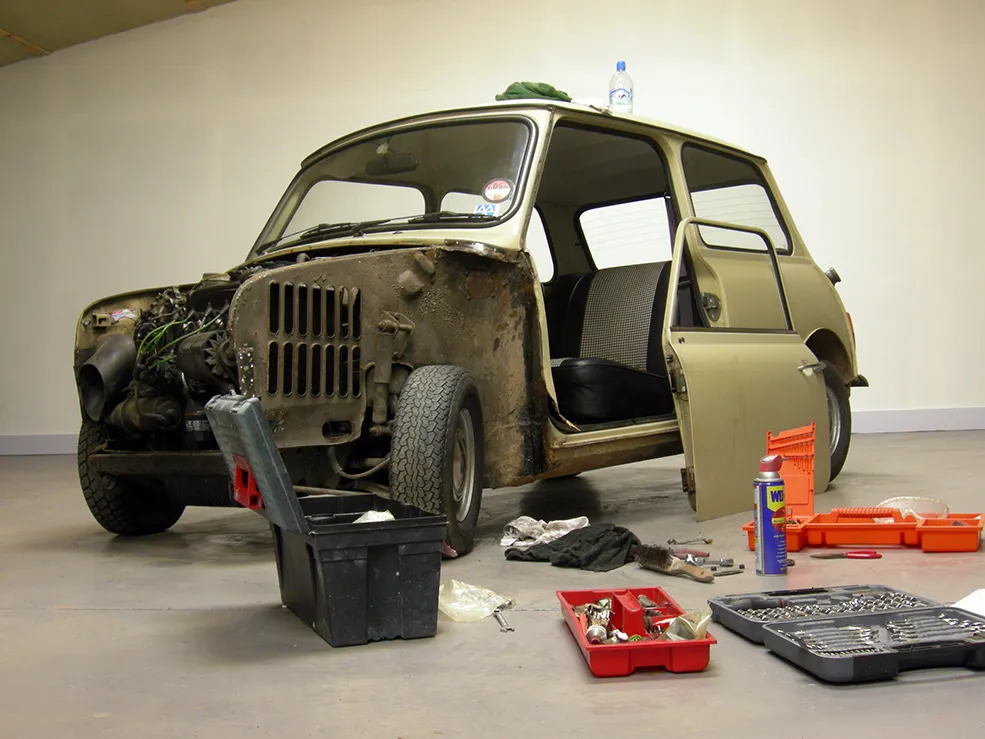
Few hobbies offer as much satisfaction and a sense of achievement as car restoration. This meticulous labor of love brings back to life the glory of classic cars and preserves a piece of automotive history for future generations. Across garages worldwide, from professionals to weekend warriors, the art of car restoration is a testament to the timeless allure of vintage automobiles.
Why Restore a Car?
For many, the appeal of car restoration lies in the emotional connection to the past. Classic cars are not just machines; they are mementos of bygone eras, embodying the aesthetic, engineering and cultural values of their time. Restoring a car often means reliving childhood memories or fulfilling long-held dreams of owning a particular model. Moreover, the process offers a hands-on experience with craftsmanship and engineering.
Getting Started
The first step in car restoration is choosing the right vehicle. Enthusiasts often look for models with historical significance or personal meaning. The availability of spare parts, from the right automotive fasteners to the perfect bumper, and the car’s overall condition are also important factors to consider. Beginners are advised to start with vehicles that require less extensive work to avoid becoming overwhelmed early in the project.
Once a suitable car is found, the real work begins. Restoration can be divided into several phases: disassembly, evaluation, repair, replacement and reassembly. Each stage requires patience, precision and a good deal of research. For many, this is a learning process that involves everything from traditional bodywork skills to modern electronics and paint technology.
Challenges and Rewards
Car restoration is not without its challenges. One of the biggest hurdles is sourcing the right parts. For many classic cars, original parts are difficult to find, and substitutes must be either sourced from specialists or custom-made. This can be time-consuming and costly. Additionally, the restoration process can uncover more issues than anticipated, leading to extended timelines and added expense.
However, there are many rewards for car restoration. There is a deep sense of accomplishment in breathing new life into a rusted relic. Restored cars often become showpieces in local and national car shows, winning admiration and awards. For some, there is also the potential financial gain if the car is sold later. But for true enthusiasts, the real reward is the chance to sit behind the wheel of a restored classic and hear the engine roar back to life.
Community and Continuity
The car restoration community is an active and supportive network. Numerous clubs, online forums and shows connect like-minded individuals, offering advice, parts and encouragement. For beginners, these communities are invaluable for learning the ropes and avoiding common pitfalls.
Moreover, car restoration plays a significant role in preserving automotive history. Each restored vehicle is a rolling museum piece, educating the public about the evolution of automotive design and technology. By keeping these classics on the road, restorers keep the rich heritage of the automotive industry alive.
Car restoration is more than a hobby—it’s a bridge to the past and a testament to human ingenuity and passion. It’s about not just preserving history, but becoming an active part of it, one restored car at a time.
