

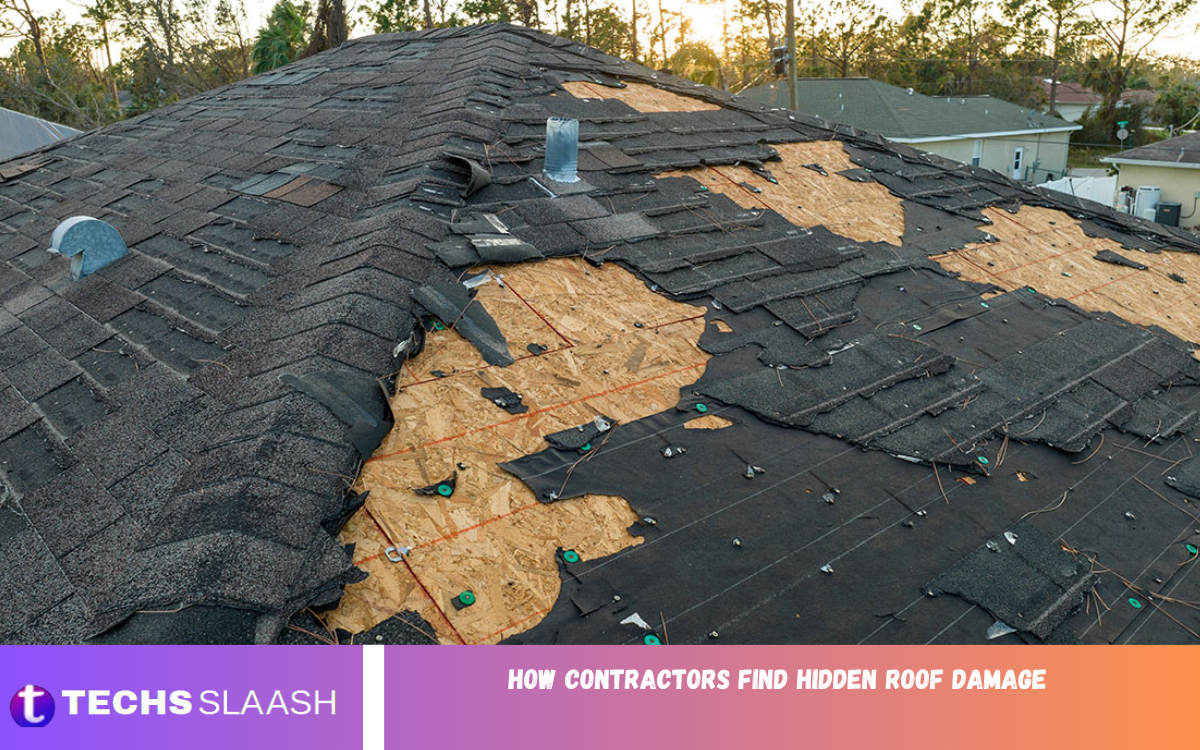
Contractors play a critical role in identifying hidden roof damage before it leads to an expensive repair or a complete roof replacement. While visible issues such as missing shingles or leaks are easy to notice, many roofing problems remain concealed beneath the surface.
Finding hidden roof damage is essential for protecting your home’s structural integrity, improving energy efficiency, and preventing costly water damage. A comprehensive roof inspection allows contractors to identify signs of aging, storm damage, mold growth, insulation issues, and areas vulnerable to future leaks.
What Is Hidden Roof Damage?
Hidden roof damage refers to roofing problems that cannot be seen during a simple visual inspection from the ground. Unlike missing shingles or obvious leaks, concealed damage develops underneath roofing materials or inside the home’s structural components.
Common examples include:
- Moisture trapped beneath shingles
- Rotting roof decking
- Damaged roof underlayment
- Small flashing failures
- Nail pops
- Water intrusion inside insulation
- Mold growth
- Structural weakening
- Poor attic ventilation
- Hidden storm damage
Although these issues initially remain invisible, they continue to worsen over time if left untreated.
Why Hidden Roof Damage Matters?
Many homeowners postpone roof inspections because the roof appears normal from the outside. Unfortunately, hidden damage continues spreading long before visible warning signs appear.
Undetected roof damage may cause:
- Interior ceiling stains
- Mold infestation
- Wood rot
- Insulation damage
- Electrical hazards
- Increased heating costs
- Reduced cooling efficiency
- Pest infestation
- Structural deterioration
- Complete roof replacement
Professional contractors identify these problems during the early stages when repairs remain affordable.
How Contractors Find Hidden Roof Damage
Experienced contractors follow systematic inspection procedures rather than relying only on visual observations.
Their inspections typically include:
Exterior Roof Inspection
The contractor carefully examines:
- Asphalt shingles
- Metal panels
- Roof tiles
- Ridge caps
- Valleys
- Flashing
- Roof penetrations
- Chimneys
- Skylights
- Gutters
Even tiny abnormalities often reveal hidden moisture beneath roofing materials.
Interior Attic Inspection
The attic provides valuable evidence of hidden roofing problems.
Contractors inspect:
- Water stains
- Wet insulation
- Mold
- Wood discoloration
- Structural movement
- Daylight penetration
- Ventilation performance
- Condensation
Interior inspections frequently reveal leaks before ceilings become damaged.
Moisture Detection
Moisture meters identify water trapped inside roofing materials.
Even when surfaces appear completely dry, hidden moisture may exist beneath:
- Underlayment
- Plywood decking
- Insulation
- Roof framing
Early moisture detection prevents severe structural decay.
Thermal Imaging Technology
Infrared cameras have transformed professional roof inspections.
Thermal imaging identifies:
- Moisture pockets
- Wet insulation
- Heat loss
- Air leaks
- Hidden water intrusion
Wet materials display different temperatures than dry surfaces, making concealed damage easy to locate.
Drone Roof Inspections
Many contractors now use drones equipped with high-resolution cameras.
Drone inspections provide:
- Safe access
- Detailed aerial images
- Hard-to-reach roof views
- Storm damage assessment
- Accurate documentation
Drones reduce inspection risks while improving inspection accuracy.
Signs Contractors Look For
Professional roof inspectors recognize subtle warning signs that homeowners often overlook.
These include:
Curling Shingles
Shingles lifting around edges often indicates:
- Moisture infiltration
- Aging
- Heat damage
- Poor ventilation
Granule Loss
Asphalt shingles naturally lose protective granules over time.
Excessive granule loss may signal:
- Advanced wear
- Hail impact
- UV deterioration
- Roof aging
Soft Roof Areas
Walking carefully across a roof allows contractors to detect soft spots.
Soft areas may indicate:
- Rotting plywood
- Water saturation
- Structural weakness
Damaged Flashing
Flashing protects roof joints.
Contractors inspect flashing around:
- Chimneys
- Skylights
- Roof vents
- Plumbing stacks
- Valleys
Even tiny flashing failures often produce hidden leaks.
Gutter Inspection
Gutters reveal valuable information about roof health.
Contractors check for:
- Shingle granules
- Metal fragments
- Roofing debris
- Blockages
- Overflow patterns
Storm Damage Inspection
Storms frequently create hidden roofing problems.
Professional contractors inspect for:
- Wind uplift
- Lifted shingles
- Impact marks
- Hail bruising
- Broken seals
- Hidden punctures
Many storm-related problems remain invisible until heavy rainfall occurs.
Read Also: The Importance of Driver Wellness Programs in Trucking Companies
Hail Damage Assessment
Hail damage extends beyond visible dents.
Contractors inspect:
- Granule displacement
- Surface bruising
- Cracked shingles
- Membrane punctures
- Flashing deformation
Specialized inspection techniques help determine insurance eligibility.
Wind Damage Detection
Strong winds loosen roofing materials without removing them completely.
Contractors identify:
- Broken adhesive strips
- Raised shingles
- Loose flashing
- Exposed nails
- Ridge cap movement
Immediate repairs prevent future leaks.
Water Damage Investigation
Water follows unpredictable paths inside roofing systems.
Contractors trace moisture movement through:
- Rafters
- Roof decking
- Insulation
- Ceiling cavities
- Interior walls
The visible leak rarely indicates the actual source.
Roof Ventilation Inspection
Poor ventilation contributes to hidden roof deterioration.
Contractors evaluate:
- Intake vents
- Ridge vents
- Exhaust vents
- Airflow balance
- Moisture accumulation
Proper ventilation increases roof lifespan while improving energy efficiency.
Roof Deck Inspection
The roof deck supports the entire roofing system.
Contractors inspect for:
- Rot
- Mold
- Delamination
- Moisture damage
- Structural movement
Weak decking compromises roof stability.
Underlayment Examination
The underlayment acts as a secondary waterproof barrier.
Damage may include:
- Tears
- Wrinkles
- Water saturation
- Age deterioration
Hidden underlayment failure often causes interior leaks.
Flashing Inspection
Flashing failures remain one of the leading causes of roof leaks.
Critical inspection areas include:
- Roof valleys
- Chimneys
- Dormers
- Vent pipes
- Skylights
Small gaps often allow years of unnoticed water intrusion.
Skylight Leak Detection
Skylights require precise waterproof installation.
Contractors inspect:
- Sealant condition
- Flashing integrity
- Glass seals
- Drainage channels
Improper installation commonly causes concealed leaks.
Chimney Inspection
Roof-to-chimney connections experience constant weather exposure.
Contractors inspect:
- Counter flashing
- Step flashing
- Masonry cracks
- Sealants
- Water stains
These areas commonly develop hidden water entry points.
Mold Detection
Roof leaks frequently encourage mold growth.
Contractors identify:
- Dark stains
- Musty odors
- Wet insulation
- Wood discoloration
- High humidity
Early mold removal protects indoor air quality.
Technology Used by Roofing Contractors
Today’s roofing professionals rely on advanced equipment.
Popular inspection tools include:
- Infrared thermal cameras
- Moisture meters
- Drones
- Digital inspection software
- Laser measuring devices
- Roof safety equipment
- High-resolution cameras
Technology improves inspection accuracy while reducing human error.
Benefits of Professional Roof Inspections
Hiring experienced contractors provides several advantages.
Early Problem Detection
Small repairs prevent expensive structural damage.
Insurance Documentation
Detailed inspection reports simplify insurance claims.
Extended Roof Life
Preventive maintenance increases roof longevity.
Improved Home Value
Healthy roofing systems increase resale value.
Better Energy Efficiency
Proper ventilation reduces heating and cooling expenses.
Safety
Professional inspections reduce the risk of accidents associated with climbing roofs.
How Often Should Roofs Be Inspected?
Most roofing experts recommend inspections:
- Once every year
- After severe storms
- Before buying a property
- Before selling a home
- After hail events
- Following high winds
- Before major renovations
Older roofs may require inspections every six months.
Common Causes of Hidden Roof Damage
Several factors contribute to concealed roofing problems.
These include:
- Heavy rain
- Snow accumulation
- Ice dams
- Wind storms
- Hail
- Fallen tree branches
- Aging materials
- Poor installation
- Blocked gutters
- Inadequate ventilation
- Animal activity
- UV exposure
Routine inspections minimize long-term damage.
Can Homeowners Find Hidden Roof Damage?
Basic inspections help identify visible concerns.
Homeowners may notice:
- Ceiling stains
- Missing shingles
- Sagging gutters
- Mold odors
- High utility bills
- Wet attic insulation
However, many concealed roofing issues require professional equipment and expertise for accurate diagnosis.
Choosing the Right Roofing Contractor
Selecting a qualified contractor improves inspection quality.
Look for professionals with:
- Valid licensing
- Insurance coverage
- Industry certifications
- Positive customer reviews
- Local experience
- Written estimates
- Detailed inspection reports
- Warranty support
Experienced contractors provide reliable recommendations based on actual roof conditions.
Preventing Hidden Roof Damage
Preventive maintenance remains the most cost-effective solution.
Homeowners should:
- Schedule annual inspections.
- Clean gutters regularly.
- Trim overhanging tree branches.
- Replace damaged shingles immediately.
- Maintain attic ventilation.
- Repair flashing defects promptly.
- Inspect roofs after storms.
- Address leaks without delay.
- Remove roof debris.
- Keep drainage systems clear.
Preventive care significantly reduces repair expenses over time.
Frequently Asked Questions
How often should a roof be professionally inspected?
Most roofing experts recommend a professional roof inspection at least once a year and after severe weather events such as hailstorms, heavy rain, strong winds, or hurricanes.
Does homeowner’s insurance cover hidden roof damage?
Insurance coverage depends on the cause of the damage. Hidden roof damage caused by sudden events like storms or hail may be covered, while damage resulting from age, neglect, or poor maintenance usually is not.
What tools do roofing contractors use to detect hidden roof damage?
Roofing contractors commonly use moisture meters, infrared thermal cameras, drones, digital inspection software, ladders, safety equipment, and high-resolution cameras to identify concealed roofing issues.
Can I find hidden roof damage without hiring a contractor?
Homeowners can spot visible warning signs such as leaks or missing shingles, but most hidden roof damage requires specialized equipment and professional expertise for an accurate diagnosis.
Why is thermal imaging used during roof inspections?
Thermal imaging detects temperature differences that reveal trapped moisture, water intrusion, insulation problems, and hidden leaks without removing roofing materials.
What causes hidden roof damage?
Hidden roof damage can result from aging roofing materials, heavy rain, hail, windstorms, poor installation, clogged gutters, inadequate ventilation, fallen tree branches, and prolonged moisture exposure.
Why is early detection of hidden roof damage important?
Early detection helps prevent costly repairs, extend the roof’s lifespan, improve energy efficiency, protect the home’s structure, and reduce the risk of mold growth and interior water damage.
Conclusion
Hidden roof damage often develops quietly, causing structural deterioration long before visible warning signs appear. Professional contractors draw on extensive experience, advanced technology, and systematic inspection techniques to identify concealed problems that homeowners may not easily detect.
Regular roof inspections protect your investment, improve energy efficiency, simplify insurance claims, and reduce the risk of unexpected leaks or structural failures.
