

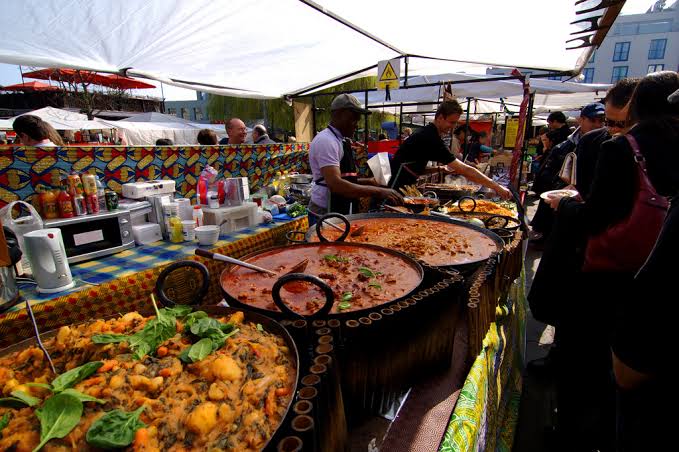
London’s West African food culture is about much more than what appears on the menu. It reflects generations of migration, family traditions, regional identities and the ways communities have made the capital their home. From Nigerian jollof rice and Ghanaian waakye to grilled suya, richly seasoned stews and freshly prepared street food, these culinary traditions have become an important part of the city’s wider food scene.
Exploring this culture means looking beyond individual dishes. It means discovering the neighbourhoods, restaurants, family stories and social connections that keep West African cooking alive in London. 805 Restaurants will be one of the featured stops, with the wider guide placing it within the city’s broader West African dining landscape.
West African food in London: a culture shaped by community
London’s West African food scene has grown alongside the communities that have sustained it. Nigerian, Ghanaian and other West African families have brought their culinary traditions to the capital, establishing restaurants, food shops, market stalls and catering businesses that serve both familiar customers and curious newcomers.
Food often plays a central role in maintaining connections with home. A family meal, a Sunday gathering after church or a celebration with friends can all revolve around dishes that carry personal and cultural significance. Restaurants become places where people meet, exchange news and share experiences, while younger generations discover recipes and flavours that connect them with their heritage.
Peckham is particularly important to this story. Its established Nigerian community and concentration of African businesses have helped make the neighbourhood a recognised destination for West African food. Old Kent Road, in particular, has a long association with Nigerian dining, while nearby streets offer everything from casual takeaways to specialist food shops. London’s West African food culture, however, extends well beyond one neighbourhood, reaching communities across north, east and south London.
805 Restaurants: A longstanding presence in London’s Nigerian dining scene
Few restaurants illustrate the development of London’s Nigerian dining scene quite like 805 Restaurants. Established on Old Kent Road in 2001, the restaurant has become a familiar name among diners seeking Nigerian cooking in the capital. Its history also reflects the role that established African restaurants have played in making West African food more visible to a wider London audience.
The menu offers an introduction to the range and depth of Nigerian cuisine. Jollof rice is an obvious starting point, but dishes such as efo riro, edikang ikong, pounded yam and grilled fish reveal a much broader culinary tradition. Efo riro, for example, is a richly seasoned spinach-based stew, often prepared with assorted meats, fish and peppers. Edikang ikong brings together leafy vegetables and other ingredients in a hearty soup that has strong roots in southeastern Nigeria.
The restaurant’s signature Monika fish is another reason diners visit. Served with chilli sauce and often accompanied by fried plantain, it brings together the smoky, savoury and spicy qualities that feature prominently in many Nigerian meals. Suya, a popular grilled meat preparation seasoned with a distinctive groundnut and spice blend, offers another taste of the country’s street-food culture.
But 805’s importance extends beyond individual dishes. Its Old Kent Road restaurant has served as a meeting point for people looking for familiar food and a lively dining experience. As its presence has expanded to other locations, it has also helped introduce Nigerian cooking to diners outside its original south London setting. For visitors exploring West African food culture, it offers a useful starting point for understanding how restaurants can preserve culinary traditions while becoming part of London’s wider dining landscape.
Peckham: Where food, identity and local enterprise meet
To understand the relationship between West African food and London’s communities, it is worth spending time in Peckham beyond a single restaurant visit. The neighbourhood’s African food businesses form part of a wider network that includes grocery shops, bakeries, takeaways, hair salons and other independent enterprises. These businesses help create an environment in which cultural traditions are maintained through everyday activities.
Food shopping is an important part of that experience. Ingredients such as yam, cassava, plantain, palm oil, dried fish, peppers and traditional seasonings are essential to many West African kitchens. For families preparing meals at home, access to these ingredients makes it possible to continue cooking familiar dishes even while living far from their countries of origin. African food retailers also serve customers who may be introducing these ingredients to a new generation.
Restaurants contribute to this neighbourhood identity in a different but equally important way. Calabar Zone, also on Old Kent Road, offers another example of Nigerian dining in the area, with traditional soups, rice dishes and swallow accompaniments. Suuyar Restaurant provides another local option for diners interested in Nigerian food and grilled specialities.
These establishments show why it is useful to think of Peckham as more than a collection of places to eat. It is a neighbourhood where food businesses contribute to local identity, support independent enterprise and provide spaces for people to maintain connections with their cultural backgrounds.
Discovering Ghanaian flavours in other parts of London
West African cuisine is not a single culinary tradition, and London’s food scene becomes more interesting when visitors look beyond Nigerian restaurants. Ghanaian cooking, for instance, has its own collection of distinctive dishes, ingredients and regional influences.
Waakye is one of the best-known examples. Made with rice and beans, it is commonly served with a selection of accompaniments, which can include spaghetti, stewed meat, fried fish, boiled eggs and shito, a richly flavoured pepper condiment. Banku, a fermented maize and cassava dough, is often paired with soup, okra stew or grilled fish. Kelewele, meanwhile, consists of ripe plantain seasoned with spices before frying, making it a popular snack or side dish.
For a taste of Ghanaian cooking in north London, Aunties Street Food offers dishes associated with Ghanaian and wider West African food traditions. Its menu includes rice-and-stew combinations and familiar accompaniments such as shito. Further east, Kate’s Cafe & Restaurant is another neighbourhood option associated with Ghanaian and West African comfort food.
These restaurants help demonstrate the variety within West African dining. Even where neighbouring countries share ingredients or similar cooking methods, their dishes can differ considerably in preparation, seasoning and cultural significance. Exploring these differences gives diners a more meaningful understanding of the region’s food traditions.
Tottenham and the changing face of Nigerian dining
North London’s West African food scene offers another perspective on how traditional cooking continues to evolve. In Tottenham, Chuku’s has introduced a Nigerian small-plates approach, giving diners the opportunity to explore several dishes in one sitting. Its format takes inspiration from the social nature of Nigerian dining, where food is often shared and a meal can become a lively group experience.
This style of restaurant reflects a broader development in London’s West African food culture. Some establishments focus on familiar home-style cooking, while others experiment with presentation, menu structure and contemporary dining formats. The ingredients and culinary references remain connected to West African traditions, but the experience can appeal to people who might be encountering these cuisines for the first time.
That balance between continuity and innovation is important. Younger chefs and restaurant owners are finding ways to introduce regional dishes to new audiences without losing sight of their origins. In doing so, they are helping West African food become a more visible part of London’s restaurant culture.
Fitzrovia: West African cuisine enters the fine-dining conversation
The growing recognition of West African cooking is also visible in central London, where restaurants have brought regional ingredients and culinary techniques into more formal dining settings.
Akoko explores West African flavours through a refined tasting-menu experience. Its approach draws on the region’s culinary heritage while using contemporary techniques and presentation. Chishuru, meanwhile, has helped bring Nigerian-influenced West African cooking into the wider conversation about London’s leading restaurants. Both establishments have received Michelin recognition, marking an important moment for a cuisine that has not always received the same attention as other international food traditions.
Their success matters because it challenges narrow perceptions of African food. West African cooking has always involved considerable technical skill, regional knowledge and an understanding of ingredients. Its appearance in fine-dining settings does not make it more legitimate; rather, it gives more people an opportunity to appreciate culinary traditions that have long been valued within the communities that created them.
For visitors, these restaurants offer a different experience from the neighbourhood dining rooms and casual eateries found elsewhere in the city. Together, they show how West African food can occupy many spaces, from everyday family meals to carefully composed tasting menus.
More than a meal: The role of food in community life
One of the most interesting aspects of London’s West African food culture is the relationship between cooking and social life. Food is closely associated with celebrations, family gatherings, religious occasions and community events. Weddings, birthdays, naming ceremonies and festive holidays often involve large meals prepared for extended families and friends.
Dishes such as jollof rice, fried rice, pepper soup, grilled fish and assorted meat platters frequently appear at these gatherings. Their significance is not limited to flavour. They can represent hospitality, generosity and the effort involved in bringing people together.
Restaurants and caterers help extend these traditions beyond private homes. They provide food for events, accommodate group dining and make familiar dishes accessible to people who may not have the time or facilities to prepare them themselves. They also create opportunities for cultural exchange, as diners from different backgrounds encounter ingredients and cooking styles they might not otherwise have discovered.
The wider food ecosystem matters too. Importers, wholesalers, market traders and specialist retailers help supply the ingredients that restaurants and households depend on. This network connects London’s food businesses to producers and suppliers across Africa, while supporting the everyday demand created by diaspora communities.
Exploring London’s West African food scene
Discovering West African food in London is best approached as an exploration of different communities and culinary traditions rather than a search for one defining dish. Peckham offers a strong starting point for Nigerian cooking and the businesses that support its local community. Tottenham and Plaistow provide opportunities to explore more neighbourhood-led dining, while Fitzrovia demonstrates how West African flavours have found a place in contemporary fine dining.
For a first visit, 805 Restaurants offers a particularly useful introduction through its established Nigerian menu and signature dishes. From there, exploring other restaurants can reveal the differences between Nigerian and Ghanaian cooking, the influence of regional ingredients and the many ways chefs interpret familiar recipes.
Ultimately, London’s West African food culture is sustained by the people behind it: the families who preserve recipes, the chefs who reinterpret them, the business owners who create gathering places and the communities that continue to support them. Every restaurant tells part of that story. Together, they make West African cuisine an enduring and increasingly recognised part of the capital’s identity.
