

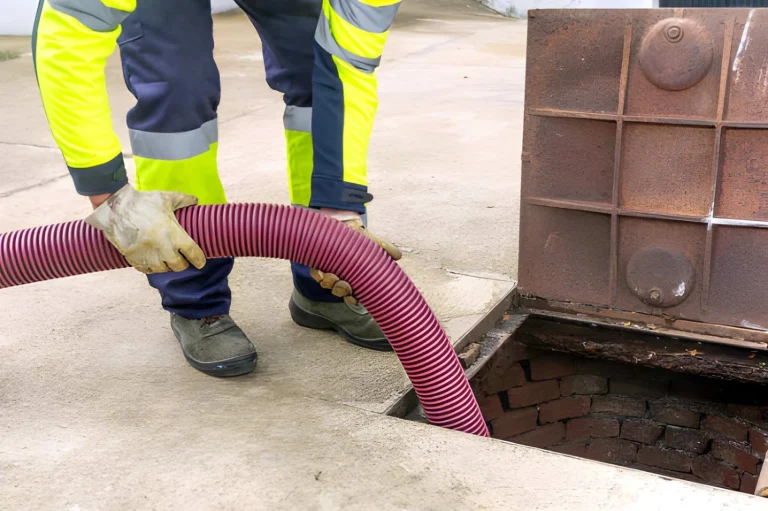
A septic tank backup is a homeowner’s worst nightmare, causing foul odours, health hazards, and potential property damage. When waste water begins bubbling up through your drains, taking quick, decisive action can save you thousands of dollars in repairs. While you wait for professional septic tank services in Brisbane to arrive, you must take immediate steps to protect your household and minimise the mess. Knowing how to handle this stressful situation ensures you remain safe while preventing the contamination from spreading throughout your living areas. This guide outlines the essential steps you should take immediately after noticing the first signs of a system failure.
Immediate Steps to Contain the Backup
The moment you notice sewage backing up into your baths, sinks, or toilets, stop using all water fixtures immediately. Every litre of water you send down the drain will only worsen the flooding. Locate your main water shut-off valve and turn it off to prevent anyone in the household from accidentally flushing toilets, running taps, or operating the washing machine.
Next, isolate the affected area. Keep children and pets far away from the backup, as raw sewage contains harmful pathogens, bacteria, and viruses that pose severe health risks. Open windows in unaffected rooms to create cross-ventilation and dilute the noxious gases, but keep doors to the contaminated rooms closed to prevent the fumes from spreading. If you must enter the affected area to retrieve valuables, wear protective gear, including rubber boots, heavy-duty gloves, and a face mask. Never touch wet drywall or electrical outlets in a flooded room, as this creates a significant risk of electrocution. If the water level rises near electrical sockets, switch off the electricity at your home’s main breaker panel before proceeding. Taking these initial precautions keeps your family safe and prevents a bad situation from turning into a physical injury or severe illness before help arrives.
Assessing the Severity of the Plumbing Crisis

Many homeowners struggle to determine the severity of their drainage issues, often asking themselves, what is considered a plumbing emergency? A single slow drain is usually a minor inconvenience that can wait for regular business hours. However, a complete septic backup is a clear emergency because it presents immediate biohazards and can cause structural damage to your property. When raw sewage enters your home, it contaminates floorboards, carpets, and plasterboard, requiring professional hazardous waste remediation.
To determine what is considered a plumbing emergency?, look at the scale of the failure. If multiple fixtures are overflowing simultaneously, or if waste is bubbling up through floor drains in the lowest level of your home, you are facing a critical system failure. This is not a task for a standard plunger or a DIY hand snake. The presence of toxic sewer gas, which contains methane and hydrogen sulfide, also elevates the situation to an emergency. These gases can cause headaches, dizziness, and even asphyxiation in enclosed spaces. Recognising these signs early allows you to contact emergency services immediately rather than waiting to see if the level goes down on its own.
What to Avoid While Waiting for Help
While your instinct might be to fix the issue yourself, certain actions will worsen a septic backup. First, never pour chemical drain cleaners down your pipes in an attempt to clear the blockage. These harsh chemicals rarely work on main line blockages or full septic tanks. Instead, they sit in the standing water, creating a toxic hazard for the technician who has to clear the line later. Furthermore, these corrosive chemicals can damage your pipes and destroy the beneficial bacteria inside your septic system that break down solid waste.
Second, do not attempt to open the septic tank lid yourself. Septic tanks generate lethal gases that can cause immediate unconsciousness. Additionally, opening a pressurised tank can cause a sudden eruption of waste material, creating an environmental hazard in your yard. Avoid digging around the drainfield or driving heavy vehicles over the septic area in an attempt to locate the problem. Compacting the soil over your absorption trenches can crush the pipes, leading to permanent damage and requiring an expensive system replacement. Keep the area clear so that the technicians can access the tank and diagnostic ports without obstacles when they arrive at your property.
Contacting the Right Professionals in Your Area

Resolving a septic backup requires specialised equipment and training that standard residential plumbers do not always possess. You need to contact dedicated septic tank services in Brisbane to pump out the tank, clear main line blockages, and inspect the structural integrity of your system. If you live in the western suburbs, contacting a local plumber in Brookfield who has experience with rural and semi-rural waste systems is an excellent starting point. They can quickly diagnose whether the issue lies in your home’s internal pipework or the external septic system.
When you call a plumber in Brookfield, clearly explain the symptoms you are experiencing, such as the number of affected drains, any gurgling noises, or visible pooling water in your yard. This information helps them dispatch the correct vehicle, such as a vacuum truck or a high-pressure water jetter. While waiting for their arrival, document the damage by taking clear photographs of the backup and affected property. This documentation is invaluable for insurance claims, as many homeowner policies cover accidental sewer backups if you can prove you took immediate action to mitigate the damage.
Conclusion
Dealing with a septic tank backup is stressful, but staying calm and taking systematic steps protects your home and family. By shutting off your water supply, isolating the contaminated areas, and avoiding dangerous DIY fixes, you prevent further damage while keeping yourself safe from biohazards. Always remember to call certified professionals, such as a local plumber in Brookfield or specialised septic tank services in Brisbane, to handle the actual repair and pump-out. Their expertise ensures your system returns to safe operation quickly, allowing you to restore comfort and hygiene to your household without unnecessary delay.
