

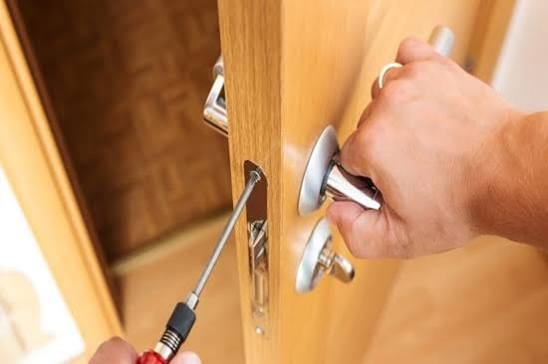
An entry door serves as the primary barrier protecting a residential property from external elements and unauthorized access. In urban regions subject to drastic seasonal temperature fluctuations, such as the Greater Toronto Area, exterior doors endure continuous mechanical stress and climate exposure. Over time, components including hinges, latches, weather stripping, and structural frames inevitably experience wear. Addressing these issues promptly through proper diagnostic techniques and specialized repairs restores household security, preserves thermal efficiency, and prevents localized damage from developing into costly structural failures.
Common Indicators of Exterior Door Degradation
Recognizing early signs of operational decline allows homeowners to intervene before a main entrance becomes entirely unusable or structurally compromised. While some defects are immediately noticeable, others manifest gradually through small changes in daily operation.
- Drafts and Temperature Fluctuations: Unwanted airflow around the door perimeter usually points to deteriorated sweep seals, cracked weather stripping, or frame misalignment.
- Binding and Dragging: Difficulty opening or closing a door smoothly often stems from sagged hinges, moisture-induced material expansion, or foundation shifting.
- Latching and Alignment Failure: When a deadbolt or latch bolt fails to engage smoothly with the strike plate without physical pushing or pulling, alignment corrections are required.
- Visible Structural Damage: Moisture intrusion, timber rot along the jamb foot, cracked glass inserts, or dented steel surfaces compromise both thermal rating and structural integrity.
The Impact of Local Climate on Door Components
Seasonal climate variations in Ontario place unique demands on exterior entry systems. Sub-zero winter temperatures followed by humid summer conditions cause materials like wood, steel, and vinyl to expand and contract at different rates.
When wood framing absorbs ambient moisture during humid periods, swelling can force the door against the jamb, leading to sticking or surface scraping. Conversely, prolonged cold dry air during winter months can cause wood to shrink slightly, widening gaps along the perimeter. This cycling leads to fastener loosening, hinge binding, and seal failure. Metal frames and fiberglass slabs, while less vulnerable to moisture rot, remain subject to thermal expansion and seal degradation over extended periods.
Structural Frame Alignment and Hinge Repair
Proper operation begins with a plumb, square frame. When a door sags, adjusting the hinges or resetting the jamb is critical to restoring balance.
- Hinge Pin and Knuckle Inspection: Loose hinge screws or bent hinge knuckles alter the margin between the slab and the frame. Replacing short factory screws with longer structural screws that anchor directly into the wall studs pulls the jamb back into plumb.
- Jamb Realignment: If the underlying frame has shifted due to building settling, shims must be placed strategically behind hinge locations or strike plates to realign the path of movement.
- Hardware Clearance Tuning: Ensuring consistent gaps around the top, sides, and bottom prevents binding and reduces mechanical wear on locking mechanisms.
For property owners seeking specialized structural adjustments, professional entry door repair restores correct alignment and ensures integrated locking hardware operates without friction.
Weatherization and Energy Efficiency Optimization
An improperly sealed front entry can account for a significant portion of a home’s heat loss during winter. Restoring a door’s thermal envelope requires upgrading vulnerable perimeter seals and bottom sweeps.
Rubber and foam weather stripping along the stop moulding must remain pliable to create an airtight seal when the latch engages. When seals become brittle, cracked, or permanently compressed, they should be removed and replaced with high-durability neoprene or silicone perimeter gaskets. Similarly, the door sweep—located at the bottom of the slab—must sit evenly against the threshold cap. Adjustable thresholds can be raised or lowered via tension screws to eliminate bottom gaps without causing excessive friction during door movement.
Restoring Security Hardware and Locking Systems
Security depends heavily on the integrity of the locking system and its interface with the surrounding jamb. High-traffic entry points experience regular impact and operational stress, which can gradually loosen strike plates or misalign internal cylinder mechanisms.
Standard latch strike plates often rely on short screws securing only into the thin finish jamb. Reinforcing the strike plate with heavy-gauge steel plates fastened with three-inch screws into the structural framing significantly increases kick-in resistance. Additionally, multi-point locking mechanisms, common on modern fiberglass and wooden entry systems, require periodic lubrication and tension adjustments to ensure all deadbolts deploy smoothly into their respective keepers.
Summary of Essential Maintenance Practices
Maintaining an entry door involves periodic routine checks to extend the operational life of moving parts and protective finishes:
- Bi-Annual Lubrication: Apply silicone spray or graphite lubricant to hinge pins, lock cylinders, and latch mechanisms to reduce internal friction.
- Seal Inspection: Examine perimeter weather stripping prior to seasonal winter shifts, replacing cracked or flattened sections.
- Fastener Tightening: Periodically check and tighten screws along top hinges and strike plates to prevent progressive sagging.
- Surface Sealing: Inspect wood doors for cracked paint or clear coats, applying touch-ups to block moisture absorption before swelling occurs.
Addressing mechanical wear, sealing vulnerabilities, and frame misalignment promptly ensures that exterior entrances maintain their security, energy performance, and smooth operation throughout every season.
