

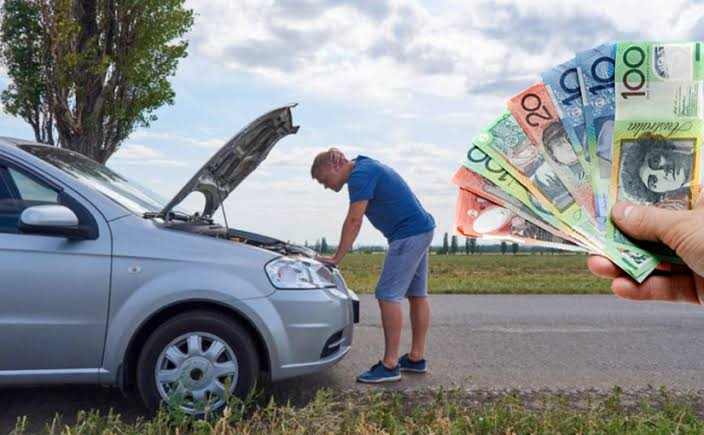
Most cars begin their lives with a clear purpose. They take us to work, help with family responsibilities and make everyday travel more convenient.
Over time, however, circumstances change. A vehicle that once served you well might become unreliable, expensive to maintain or unsuitable for your current needs.
Some cars gradually deteriorate through everyday use. Others become unwanted after an accident, a major mechanical failure or a change in the owner’s circumstances.
Recognising when it is time to move on can save you money, reduce unnecessary stress and free up valuable space.
When Your Car No Longer Fits Your Lifestyle
A vehicle does not have to be completely worn out before you consider selling it.
Perhaps your daily commute has changed, and you no longer need a car as often. Maybe your family needs a larger vehicle, or you have purchased something more suitable for your regular activities.
In other situations, an older car might remain parked for months because nobody in the household uses it.
Keeping a spare vehicle can be convenient, but it also comes with responsibilities. Depending on the circumstances, you may still need to consider registration, insurance, maintenance and storage.
If your car spends more time sitting unused than being driven, review whether keeping it still makes sense.
Warning Signs That Your Car Needs a Second Look
Age alone does not determine whether a car should be retired. A well-maintained older vehicle can remain useful, while a relatively newer car may develop serious problems.
Instead of focusing solely on the year of manufacture, consider the vehicle’s overall condition.
Recurring warning lights, overheating, unusual noises, transmission problems and repeated starting difficulties can indicate issues that need professional attention.
Body damage, corrosion and suspension problems may also affect the vehicle’s condition and suitability for everyday use.
If your car has developed several problems, ask a qualified mechanic to assess it. Understanding the nature of the faults can help you decide whether repairs are worthwhile.
Do not continue driving a vehicle that may be unsafe. Arrange an appropriate inspection or recovery service if necessary.
What If Your Car Has Failed an Inspection?
Discovering that your vehicle requires significant work can be frustrating, particularly if you were expecting a straightforward inspection.
The next step depends on the problems identified, the cost of repairs and the vehicle’s overall condition.
Some issues may be relatively simple to resolve. Others could involve expensive work on major mechanical or safety-related components.
Request a clear explanation of the required repairs and obtain an estimate before making a decision.
Compare the repair cost with the vehicle’s current value and consider whether additional maintenance is likely to be needed soon.
If repairing the vehicle is no longer financially practical, you may decide to sell it or investigate other disposal options.
Remember that inspection and roadworthiness requirements depend on the circumstances. A vehicle that cannot legally or safely be driven should be transported using an appropriate method.
Dealing With a Damaged or Accident-Affected Car
Accident damage can change how useful a vehicle is almost overnight.
Even when the exterior damage appears minor, the vehicle may have underlying issues that require professional assessment. Structural damage, damaged safety systems or problems affecting the steering and suspension can make repairs more complicated.
Before deciding what to do, obtain an assessment of the damage and review your insurance arrangements if applicable.
If the car is repairable, compare the repair estimate with its value and your future transportation needs.
However, a severely damaged vehicle may not justify the expense of returning it to the road.
In such cases, selling the vehicle in its current condition or contacting a business that handles damaged cars may be worth considering. Be honest about the damage when requesting an offer.
Why Some Owners Choose to Sell Rather Than Repair
Repairing a car can be worthwhile when the work restores reliability at a reasonable cost.
The difficulty arises when the expenses continue to accumulate without providing confidence that the vehicle will remain dependable.
For example, an older car might need a new radiator, suspension repairs and electrical work within a few months. Even if each problem can be fixed, the combined cost may exceed what the owner is comfortable spending.
There is also the question of downtime. Repeated visits to the mechanic can disrupt work, family commitments and other daily activities.
If the vehicle no longer suits your budget or transportation needs, selling it could be a more practical decision.
The important thing is to evaluate the situation objectively rather than continuing repairs simply because you have already invested money in the car.
Exploring Your Options for an Unwanted Vehicle
Once you decide to move on, consider how you want to sell or dispose of the vehicle. A private sale may be suitable if the car is in reasonable condition and you have time to advertise it, respond to enquiries and organise inspections.
Trading in the vehicle can be convenient when purchasing a replacement from a dealership. However, the amount offered will depend on the dealership’s assessment and commercial terms.
Another possibility is contacting cash for cars services that assess unwanted vehicles. Depending on the provider, this may include cars with mechanical problems, accident damage or other issues that make them difficult to sell privately.
Before agreeing to a sale, explain the vehicle’s condition and ask how the offer has been determined.
Confirm the payment method, collection arrangements and whether any fees apply. Do not assume towing is free unless the provider explicitly confirms this.
Comparing your options helps you understand what is available without committing to an unsuitable arrangement.
Finding a Local Option in Canberra
For vehicle owners in the ACT, a local service may make the collection process more convenient.
Searching for cash for cars Canberra can help you identify businesses that purchase or collect unwanted vehicles in Canberra and surrounding suburbs.
When contacting a provider, prepare a few basic details:
- The vehicle’s make, model and year.
- Its approximate kilometres travelled.
- Whether the engine starts and the car can be driven.
- Any known mechanical faults or accident damage.
- The vehicle’s registration status.
- Your location and preferred collection arrangements.
Providing accurate information helps the business understand what it is assessing.
Ask whether the provider services your suburb, whether collection is included in the quoted price and what documents you need to prepare.
If the vehicle is unregistered or unroadworthy, mention this from the beginning. The collection method and paperwork may differ from those required for a regularly registered car.
Do Not Forget the Administrative Details
Selling an unwanted vehicle involves a few responsibilities beyond receiving payment.
Before collection, remove personal belongings and check the vehicle for documents containing private information.
Gather the available ownership documents and confirm the requirements for the transaction. Depending on your circumstances, you may need to complete relevant transfer or disposal procedures.
If the vehicle is registered, check the current ACT requirements for updating registration records or cancelling registration where appropriate.
Keep copies of relevant paperwork and payment records.
Taking these steps can help reduce misunderstandings and provide a clearer record of what happened to the vehicle.
Make the Decision That Works for You
Knowing when to let go of a car is not always easy, especially when it has served you reliably for years.
However, continuing to own a vehicle that no longer meets your needs can create unnecessary costs and responsibilities.
Review its condition, compare repair estimates and consider how often you use it. If keeping the car no longer makes financial or practical sense, explore the available selling and disposal options.
Whether your vehicle is an ageing daily driver, a damaged car or an unused second vehicle, making an informed decision can help you move forward with greater confidence.
