

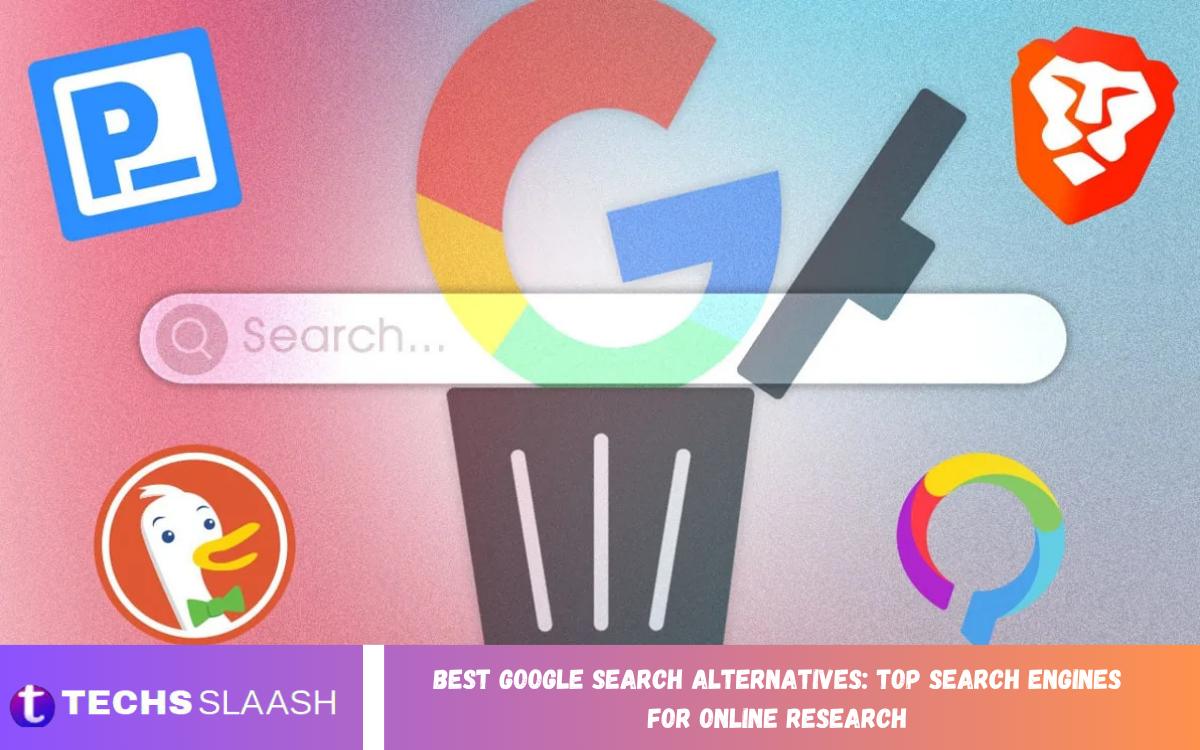
Google Search is one of the most widely used search engines, but it is not the only option available for finding information online. Different search engines provide unique features, privacy controls, search experiences, and specialized results for users who want alternatives to traditional web searching.
The Best Google Search Alternatives: Top Search Engines for Online Research can help students, professionals, researchers, and everyday internet users discover information from different sources. Choosing another search engine may also provide a different perspective when researching topics, comparing information, or finding less common results.
Why Consider Google Search Alternatives?
Search engines use different technologies, ranking systems, indexes, and privacy policies to organize online information. As a result, the same search query can sometimes produce different results depending on the search engine being used.
Using multiple search engines can make online research more comprehensive. Instead of relying on one source, users can compare results, verify important information, and discover websites that may not appear prominently in another search engine.
Bing for Comprehensive Web Research
Microsoft Bing is one of the most established alternatives to Google Search. It provides web pages, images, videos, news, maps, shopping information, and other search features through a familiar interface.
Bing can be particularly useful for users who want a broad search experience with strong multimedia capabilities. Its integration with Microsoft services also makes it convenient for people who regularly use Windows and other Microsoft products.
DuckDuckGo for Privacy-Focused Searching
DuckDuckGo is widely recognized for its focus on privacy. It provides a straightforward search experience and is designed to reduce tracking associated with online searches.
For users who prefer to limit the amount of personal information connected with their searches, DuckDuckGo can be a useful alternative. It also offers practical search shortcuts that can make common searches faster and easier.
Brave Search for Independent Results
Brave Search is another popular option for people looking for a search experience focused on privacy and independence. It operates as part of the broader Brave ecosystem and aims to provide search results without relying entirely on the traditional search infrastructure.
Brave Search can be useful when researching technology, news, products, and general topics. Its privacy-oriented approach makes it attractive to users who want more control over their online search activity.
Ecosia for Environmentally Focused Searching
Ecosia provides a search experience with an environmental focus. The platform is known for using its business activities to support environmental initiatives, making it different from conventional search engines.
Users can perform everyday searches while supporting Ecosia’s environmental mission. It offers standard search categories such as web pages, images, and news, making it suitable for general online research.
Startpage for Google-Based Search Results
Startpage is designed for users who want access to Google-style search results while placing greater emphasis on privacy. It acts as an intermediary between the user and search results, helping reduce direct exposure of personal search information.
This makes Startpage an interesting choice for people who appreciate the quality and breadth associated with Google results but want a more privacy-conscious search experience.
Yahoo Search for Traditional Web Searching
Yahoo Search remains an established name in the online search industry. It provides general web search capabilities along with access to news and other online content through the broader Yahoo platform.
Yahoo Search can be useful for users who already use Yahoo services. Its familiar interface provides a straightforward way to search for websites, information, current topics, and other online resources.
Kagi for a Premium Search Experience
Kagi takes a different approach by offering a paid search service designed to provide a cleaner and more user-focused experience. Its model aims to reduce dependence on advertising while giving users additional control over their searches.
For researchers and frequent internet users, a premium search environment can be appealing because it emphasizes search quality and customization. Kagi is particularly relevant for people who want an alternative to advertising-supported search.
Mojeek for Independent Search
Mojeek is an independent search engine that operates its own web crawler and index. This can provide a different perspective from search engines that primarily depend on other companies’ indexes.
Independent indexing can be valuable for research because different search databases may discover and rank pages differently. Researchers can use Mojeek alongside other search engines when they want to broaden their information sources.
Qwant for Privacy-Conscious Research
Qwant is a privacy-focused search engine that provides web, news, and other search categories. It aims to provide users with an alternative to search services that heavily personalize results based on individual tracking.
For people interested in reducing personalized search experiences, Qwant can be worth considering. It can also be useful when comparing results from different search platforms during research.
How Search Engines Differ From Each Other
Search engines differ in several important areas, including their web indexes, ranking algorithms, privacy practices, advertising models, and available search features. These differences can affect the information users see after entering the same query.
For serious research, using more than one search engine can be beneficial. Comparing results can reveal additional sources, alternative viewpoints, specialized websites, and information that might not appear on the first search engine used.
Read Also: Best YouTube Alternatives: Top Video Streaming Platforms for Viewers
Best Search Engines for Academic Research
Academic research often requires more than a general web search. Students and researchers may need scholarly papers, books, institutional information, research publications, and reliable educational resources.
General search alternatives can help discover background information, while specialized academic databases may be better for scholarly research. Combining general search engines with academic resources can create a broader research workflow.
Best Search Engines for Privacy
Privacy is an important consideration for users who do not want their searches heavily connected with personal profiles or browsing behavior. Privacy-oriented search engines can reduce certain forms of tracking and personalization.
DuckDuckGo, Brave Search, Startpage, and other privacy-focused services offer different approaches to private searching. Users should review each platform’s current privacy policies and features before deciding which service fits their needs.
Best Search Engines for Everyday Searches
For everyday searches, convenience and result quality are usually important. Bing, DuckDuckGo, Yahoo Search, Brave Search, and Ecosia can all provide useful options for finding websites, images, news, videos, and general information.
The ideal choice depends on individual preferences. Some users may prioritize privacy, while others may prefer multimedia results, environmental initiatives, independent indexing, or integration with other services.
How to Choose the Right Search Engine
Choosing a search engine starts with understanding what you value most. Privacy-focused users may prefer services designed around reduced tracking, while users who need broad multimedia results may choose platforms with strong image, video, and news search features.
Researchers should also consider result diversity and the ability to compare information across different sources. There is no requirement to use only one search engine, and switching between platforms can improve the breadth of online research.
Tips for Better Online Research
Effective online research requires more than selecting a search engine. Use specific keywords, quotation marks for exact phrases, relevant filters, and different search queries to find more targeted information.
Always evaluate the credibility of the websites you discover. Check the author’s expertise, publication date, supporting evidence, source reputation, and whether important claims can be confirmed through independent sources.
Benefits of Using Multiple Search Engines
Using multiple search engines can reduce dependence on a single ranking system. Different platforms may display different websites, making it easier to discover additional information and compare sources.
This approach is especially useful for research projects, technology investigations, product comparisons, educational assignments, and news research. Cross-checking information can help users develop a more complete understanding of a subject.
Common Mistakes to Avoid During Online Research
One common mistake is accepting the first search result as automatically accurate. Search rankings do not necessarily mean that a page contains the most reliable or complete information.
Another mistake is relying on a single website for important information. Researchers should compare credible sources, check dates, investigate original sources, and distinguish factual evidence from opinions or unsupported claims.
Frequently Asked Questions
What Is the Best Google Search Alternative?
There is no single search engine that is best for every user. Bing, DuckDuckGo, Brave Search, Startpage, Ecosia, and other alternatives offer different combinations of search quality, privacy, features, and business models.
Which Search Engine Is Best for Privacy?
Privacy-focused options include DuckDuckGo, Brave Search, Startpage, and other services with privacy-oriented policies. Users should review the current privacy practices of each service before choosing one.
Is Bing a Good Alternative to Google?
Yes, Bing provides comprehensive web, image, video, news, and other search capabilities. It can be a practical alternative for users who want a familiar general-purpose search experience.
Is DuckDuckGo Good for Online Research?
DuckDuckGo can be useful for general research, especially for users who prioritize privacy. Researchers can also compare its results with other search engines to discover additional sources.
What Is Brave Search Used For?
Brave Search is designed for web searching with an emphasis on privacy and independent search technology. It can be used for general searches, research, technology topics, news, and everyday information discovery.
Is Ecosia a Normal Search Engine?
Ecosia provides standard web search functionality while maintaining an environmental focus. Users can search for websites and information while participating in the platform’s broader environmental mission.
What Makes Startpage Different?
Startpage focuses on providing search results while emphasizing user privacy. It can be useful for people who want a search experience associated with Google-style results without directly using Google Search.
Should Researchers Use More Than One Search Engine?
Using multiple search engines can improve research coverage because different platforms may return different results. Comparing sources can help researchers discover additional information and verify important claims.
Are Alternative Search Engines Free?
Many search engines, including Bing, DuckDuckGo, Brave Search, and Ecosia, offer free search services. Some alternatives, such as Kagi, use a paid subscription model for their search experience.
Can Search Engines Replace Google Completely?
Yes, many users can perform their everyday searches without Google. However, the most suitable alternative depends on the user’s requirements, preferred features, privacy expectations, and research habits.
Conclusion
The Best Google Search Alternatives: Top Search Engines for Online Research give users more options for discovering information across the internet. Bing, DuckDuckGo, Brave Search, Ecosia, Startpage, Yahoo Search, Kagi, Mojeek, and Qwant each offers a different approach to web searching.
For effective online research, the most important strategy is not simply choosing one search engine. Comparing results, checking credible sources, using precise search terms, and verifying key information can make your research more reliable and productive.

1 Comment
Pingback: Best Chrome Alternatives: Top Web Browsers for Fast and Secure Browsing - Techsslaash.com