

Health insurance is an important part of financial planning because it helps individuals and families manage medical care costs. Unexpected illnesses, accidents, hospital stays, and medical treatments can create significant expenses. A suitable health insurance plan provides financial protection and helps people access healthcare services when they need them.
Understanding health insurance makes it easier to compare policies, evaluate coverage options, and choose a plan that fits your budget. This guide explains the main types of insurance, their benefits, common coverage features, and practical steps to choose the right plan.
What Is Health Insurance?
Health insurance is an agreement between an insurance provider and a policyholder that covers eligible medical expenses under the policy’s terms and conditions. Depending on the plan, coverage may include doctor consultations, hospitalization, diagnostic tests, prescription medicines, and certain medical procedures.
Policyholders generally pay a premium to maintain their coverage. Other costs may include deductibles, copayments, coinsurance, and expenses for services that are not covered. Understanding these financial responsibilities before purchasing a policy can help prevent unexpected bills.
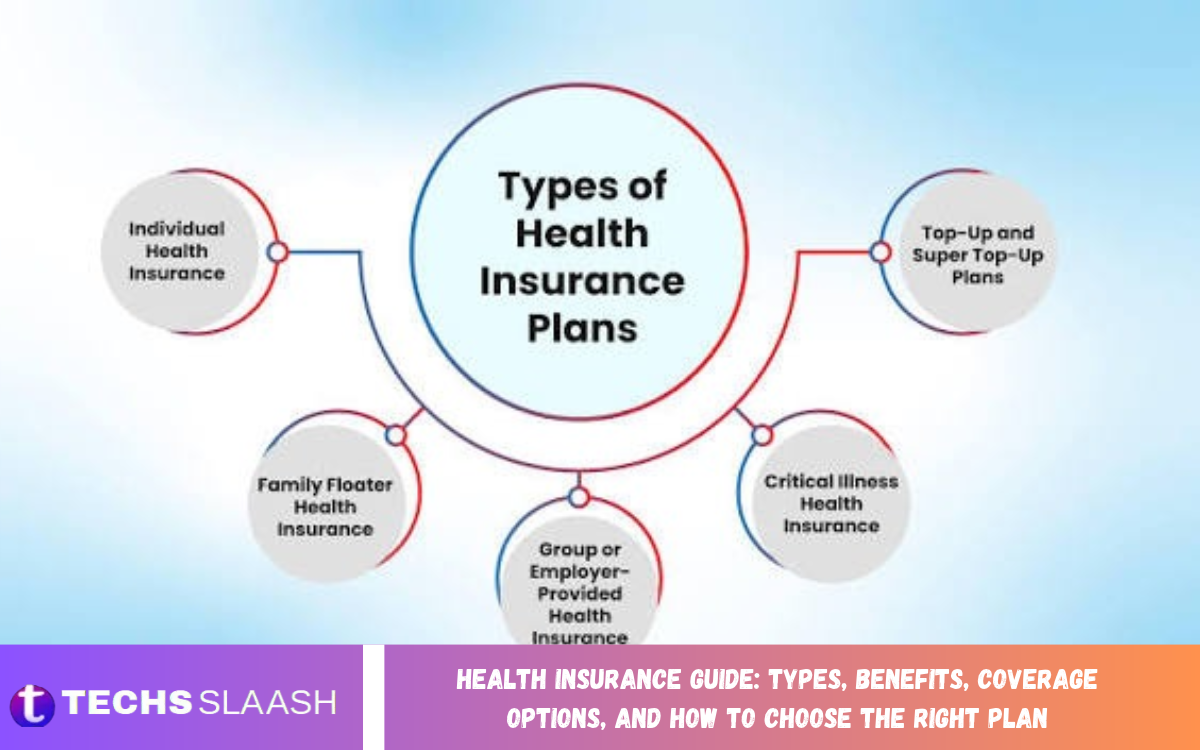
Types of Health Insurance Plans
Health insurance is available in several forms, each designed to meet different healthcare needs. The right option depends on factors such as age, family size, employment status, medical requirements, budget, and the healthcare services available in your country.
Some plans focus on individual medical needs, while others cover entire families or provide benefits through employers. Comparing the features, limitations, and costs of different policies helps consumers make informed decisions.
Individual Health Insurance
Individual health insurance provides medical coverage for one person under a specific policy. It may be suitable for self-employed professionals, freelancers, students, or people who do not receive insurance through an employer.
Coverage and premiums depend on the policy, the applicant’s circumstances, and local insurance regulations. Before selecting a plan, review its hospitalization limits, exclusions, waiting periods, and access to hospitals and specialists.
Family Health Insurance
Family health insurance is designed to cover multiple eligible family members under one policy. Depending on the plan, a shared coverage limit may be available for spouses, children, and other eligible dependents.
This arrangement can simplify policy management and provide coordinated financial protection for household healthcare needs. However, families should check whether the coverage limit is sufficient for multiple medical claims and whether each family member has specific exclusions or restrictions.
Employer-Sponsored Health Insurance
Employer-sponsored health insurance is offered through a workplace benefits program. Employers may pay some or all of the premium, while employees may contribute through payroll deductions or other arrangements.
These plans can make healthcare coverage more affordable and convenient. However, employees should understand whether coverage continues after leaving the organization, whether dependents are included, and what alternatives are available if employment ends.
Government-Supported Health Coverage
Some countries provide government-funded healthcare programs or subsidized insurance for eligible residents. Eligibility may depend on income, age, employment status, disability, family circumstances, or other requirements established by local authorities.
Government-supported coverage can reduce healthcare costs and improve access to essential services. Benefits, enrollment procedures, and financial assistance vary by country, so applicants should review the rules that apply to their location.
Critical Illness Insurance
Critical illness insurance generally provides a specified lump-sum payment when the insured person receives a diagnosis that meets the policy’s definition of a covered serious illness. Covered conditions may include certain cancers, heart attacks, or strokes.
Unlike comprehensive health insurance, this coverage is usually designed to provide additional financial support rather than reimburse every medical expense. The policy’s covered conditions, survival requirements, waiting periods, and exclusions should be reviewed carefully.
Key Benefits of Health Insurance
Health insurance protects you against eligible healthcare expenses and can make medical services more accessible. Depending on the policy, it may help cover hospitalization, consultations, prescribed treatments, diagnostic investigations, and other essential services.
Having appropriate coverage can also support better financial planning. Instead of paying every covered medical expense out of pocket, policyholders can use their insurance benefits under their plan’s terms.
Financial Protection Against Medical Expenses
Medical treatment can be expensive, especially when someone needs surgery, intensive care, or an extended hospital stay. Health insurance can reduce the financial burden by paying eligible expenses up to the policy limits.
However, insurance does not necessarily eliminate every medical bill. Deductibles, copayments, exclusions, room limits, and annual coverage caps can affect how much a policyholder must pay out of pocket.
Access to Healthcare Services
Many health insurance plans provide access to a network of hospitals, clinics, laboratories, and medical professionals. Some insurers also offer cashless treatment at participating facilities, subject to authorization requirements and policy conditions.
Access to appropriate healthcare can make it easier to seek medical attention when symptoms develop. Nevertheless, the availability of specialists, hospitals, and specific treatments varies by insurer and location.
Support for Preventive Healthcare
Certain health insurance plans cover preventive services such as health screenings, vaccinations, and routine medical examinations. These services may help identify potential health problems before they become more serious.
Preventive benefits are not identical across all policies. Consumers should confirm which services are included, whether referrals are required, and whether annual limits or eligibility conditions apply.
Peace of Mind for Families
A suitable health insurance policy can help families prepare for unexpected medical situations. Knowing certain healthcare expenses may be covered can reduce financial uncertainty and make household budgeting easier.
Families should still maintain an emergency fund for deductibles, uncovered treatments, transportation, and other expenses. Insurance works best when combined with realistic budgeting and an understanding of the policy’s limitations.
Health Insurance Coverage Options
Health insurance coverage determines which medical services an insurer will pay for and under what conditions. A policy may offer comprehensive benefits or focus on specific healthcare expenses, depending on its design and the policyholder’s needs.
Reviewing coverage details is essential before purchasing a plan. A low-premium policy may offer limited benefits, while a more expensive option may provide broader coverage or lower out-of-pocket costs.
Hospitalization and Inpatient Treatment
Inpatient coverage generally applies when a patient is formally admitted to a hospital for medically necessary treatment. Eligible expenses may include hospital accommodation, nursing services, surgery, prescribed medicines, and certain diagnostic procedures.
Coverage limits can apply to room categories, surgical fees, intensive care, and individual treatments. Policyholders should confirm whether the insurer requires preauthorization and whether particular hospitals qualify for cashless treatment.
Outpatient Care
Outpatient coverage may include consultations with general practitioners, specialist appointments, diagnostic tests, and certain prescribed medicines without requiring an overnight hospital admission.
Some plans include outpatient benefits automatically, while others offer them as optional additions or exclude them entirely. If you visit doctors regularly or need ongoing tests, compare these benefits before deciding.
Prescription Medicines
Prescription drug coverage helps pay for eligible medicines prescribed by authorized healthcare professionals. The policy may cover selected medications fully or partially, depending on its formulary, reimbursement rules, and cost-sharing arrangements.
Consumers should check whether commonly prescribed medicines are included and whether generic alternatives are required. Certain drugs may need prior approval, and some medications may remain excluded from coverage.
Maternity and Newborn Care
Maternity benefits may include eligible prenatal consultations, delivery expenses, hospital care, and newborn services. These benefits are particularly important for individuals and families planning to have children.
Many policies impose waiting periods, benefit limits, or specific eligibility requirements for maternity care. Some exclude routine maternity services altogether, so prospective parents should confirm the terms before purchasing a policy.
Emergency Medical Services
Emergency coverage may help pay for eligible treatment following serious accidents, sudden illnesses, or other urgent medical situations. Depending on the plan, it may include emergency room treatment, ambulance services, and necessary hospitalization.
Emergency coverage can have restrictions involving ambulance charges, overseas treatment, and out-of-network providers. Read the policy carefully to understand which emergencies qualify and what steps are required when seeking treatment.
Understanding Health Insurance Costs
The total cost of health insurance includes more than the monthly or annual premium. Depending on the policy, consumers may also pay deductibles, copayments, coinsurance, and costs associated with services that exceed coverage limits or fall outside the policy.
Evaluating these expenses together provides a more realistic picture of affordability. The cheapest policy is not always the best choice if it leaves the policyholder responsible for substantial medical bills.
Premiums and Deductibles
A premium is the amount you pay to keep an insurance policy, usually monthly, quarterly, or annually. Premiums vary by coverage level, age, location, family composition, insurer pricing, and applicable underwriting rules.
A deductible is the amount a policyholder must pay toward certain eligible healthcare expenses before the insurer begins paying according to the plan. Some policies have no deductible, while others require a significant contribution before benefits apply.
Read Also: Life Insurance Coverage: Types, Benefits, and How to Choose the Right Policy
Copayments and Coinsurance
A copayment is a fixed amount you pay for a covered service, such as a medical consultation or prescription. Coinsurance is a percentage of an eligible expense that the policyholder pays after applicable deductible requirements have been satisfied.
These arrangements influence the final cost of treatment. Compare the cost-sharing requirements for hospital stays, specialist visits, diagnostic tests, and prescription medicines to understand your potential financial responsibilities.
Out-of-Pocket Limits
Some health insurance plans establish an annual maximum on qualifying out-of-pocket healthcare expenses. After the policyholder reaches that limit, the insurer may cover additional eligible services at the specified rate for the remainder of the coverage period.
Not every plan has such a limit, and the rules vary by country and policy. Premiums, excluded services, and certain out-of-network expenses may not count toward the maximum, so confirm which costs qualify.
How to Choose the Right Health Insurance Plan
Choosing the right health insurance plan requires balancing medical needs, financial resources, and the quality of available coverage. A policy should provide appropriate protection without placing unnecessary pressure on your regular budget.
Instead of comparing premiums alone, evaluate benefits, exclusions, hospital networks, claims procedures, and the insurer’s service standards. Taking time to review these factors can help you avoid unsuitable coverage and make a more confident decision.
Assess Your Healthcare Needs
Start by considering your age, medical history, family responsibilities, and expected healthcare requirements. Think about regular prescriptions, specialist appointments, planned procedures, maternity needs, and any ongoing treatment that requires reliable access to medical services.
Review the needs of every person who will be covered by the policy. A plan suitable for a healthy individual may not protect a family with children or members who need frequent medical attention.
Compare Coverage and Exclusions
Read the policy documents to determine which services are covered, how much the insurer will pay, and which treatments are excluded. Pay particular attention to waiting periods, pre-existing conditions, annual limits, emergency services, and restrictions on particular procedures.
Two policies with similar premiums can provide significantly different benefits. Comparing their actual terms rather than relying only on advertisements helps you identify which plan offers more useful protection for your circumstances.
Check the Hospital Network
Confirm whether the hospitals, clinics, laboratories, and specialists you prefer are included in the insurer’s network. A broad network may improve convenience, while a limited network could restrict your treatment choices or increase your expenses.
If you travel frequently or live far from major medical facilities, consider geographic coverage and emergency arrangements. Also ask whether cashless treatment is available and whether referrals or prior authorization are necessary.
Evaluate Your Budget
Determine how much you can comfortably spend on premiums without neglecting essential household expenses and savings. Then estimate potential out-of-pocket costs under different medical scenarios, including hospitalization and recurring treatment.
A lower premium may be attractive, but a high deductible or restrictive coverage limit could create financial difficulties during a medical emergency. Choose a plan that balances manageable regular payments with enough protection against major healthcare costs.
Review the Insurer’s Reputation
Research the insurance provider’s customer service, claims process, financial strength, and complaint-handling procedures. Reliable administration matters because policyholders need clear information and timely decisions when requesting benefits.
Look for trustworthy reviews and, where available, official regulatory information. Ask how claims are submitted, which documents are required, how disputes are handled, and whether customers can track claim progress.
Common Health Insurance Mistakes to Avoid
One common mistake is choosing a policy based entirely on its premium. Although affordability matters, a low-cost plan may have restrictive exclusions, limited hospital access, or insufficient coverage for expensive medical procedures.
Another mistake is overlooking policy conditions or providing incomplete information during enrollment. Review application questions carefully, disclose information as required, and keep copies of policy documents and claim records to reduce avoidable complications.
Frequently Asked Questions
What Is Health Insurance?
Health insurance is a policy that helps pay for eligible medical expenses according to its terms. Depending on the plan, it may cover hospitalization, consultations, diagnostic tests, medicines, and other healthcare services.
Why Is Health Insurance Important?
Health insurance helps protect individuals and families from potentially significant medical expenses. It can also improve access to participating healthcare providers and make healthcare costs easier to manage.
What Are the Main Types of Health Insurance?
Common types include individual health insurance, family health insurance, employer-sponsored coverage, government-supported programs, and critical illness insurance. Availability and benefits vary by country and insurer.
How Much Does Health Insurance Cost?
The cost depends on factors such as age, location, benefits, family size, deductibles, and the insurer’s pricing rules. Comparing premiums alongside out-of-pocket expenses provides a clearer picture of the total cost.
Does Health Insurance Cover Pre-Existing Conditions?
Coverage for pre-existing conditions depends on the policy and applicable local regulations. Some plans cover them immediately, while others may impose waiting periods, exclusions, or underwriting requirements.
Can I Get Health Insurance for My Family?
Yes, many insurers offer family policies that cover eligible dependents under one plan. Check the shared coverage limit, individual restrictions, dependent eligibility rules, and whether the policy meets your family’s medical needs.
What Is the Difference Between a Premium and a Deductible?
A premium is the amount you pay to keep your insurance policy. A deductible is the amount you must pay toward certain eligible medical expenses before the insurer begins paying benefits under the plan.
Does Health Insurance Cover Dental and Vision Care?
Dental and vision services may be included in certain plans or offered as additional benefits. Routine examinations, glasses, dental procedures, and other services may have separate limits or exclusions.
Can I Change My Health Insurance Plan?
In many cases, you can change your plan during a designated enrollment period or when you qualify under applicable rules. Before switching, compare benefits, waiting periods, network access, and the effective date of your new coverage.
How Can I Choose the Best Health Insurance Plan?
Assess your healthcare needs, compare coverage limits, evaluate premiums and deductibles, and review hospital networks and exclusions. The best plan offers suitable protection at a cost you can reasonably afford.
Conclusion
Health insurance is a valuable tool for managing medical expenses, protecting household finances, and improving access to healthcare services. Understanding the available plan types, coverage options, benefits, and cost-sharing requirements makes it easier to identify a policy that suits your needs.
Before purchasing coverage, compare several plans, review their exclusions, check participating hospitals, and evaluate the insurer’s claims process.

1 Comment
Pingback: Car Insurance Guide: Types, Coverage Options, Benefits, and How to Choose the Right Policy - Techsslaash.com