

The real estate market has always depended on strong visual presentation, but traditional photographs, floor plans, and sketches often fail to communicate the complete potential of a property. Today, buyers expect more engaging and realistic experiences before making important purchasing decisions.
This is where 3D architectural rendering is transforming the real estate market. Advanced digital visualization allows developers, agents, architects, and investors to present properties before construction, create realistic environments, and help buyers understand spaces with greater confidence.
Creating Realistic Property Experiences
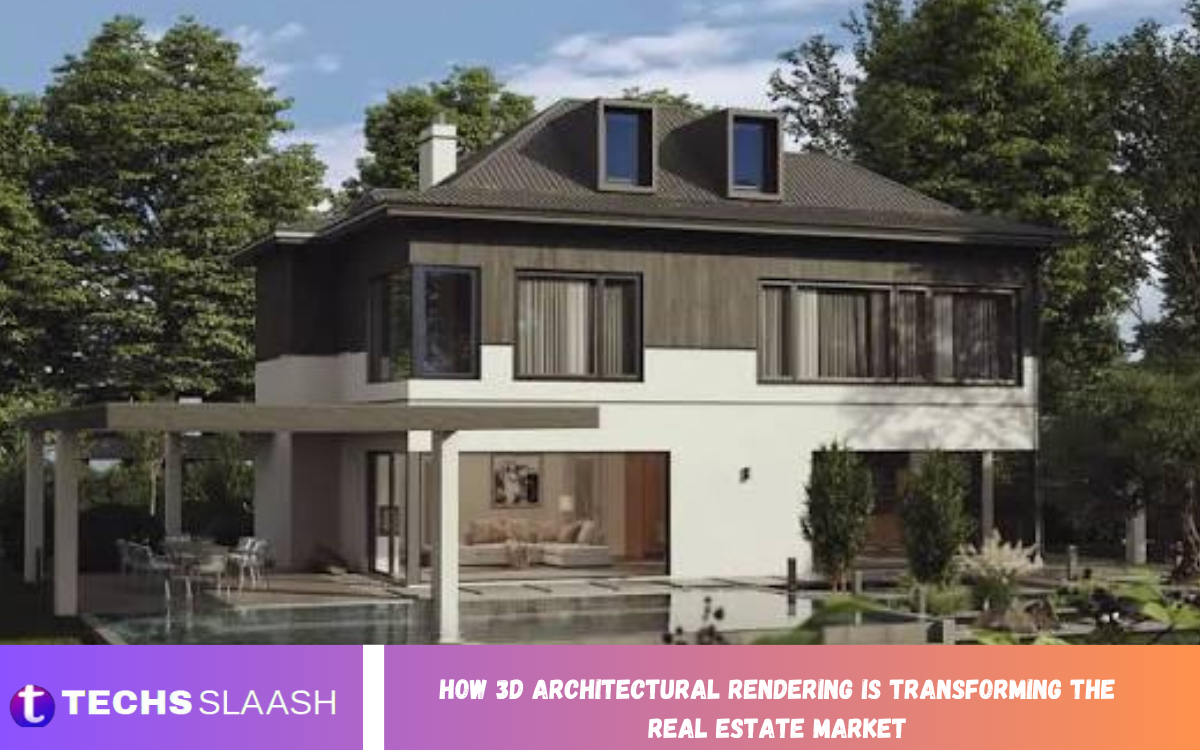
3D architectural rendering creates highly detailed representations of buildings, interiors, landscapes, and surrounding environments. Buyers can see materials, furniture, lighting, colors, room layouts, and architectural features in a realistic setting.
Instead of relying only on technical drawings, potential buyers can experience how a completed property may look. This makes complex architectural information easier to understand and creates a stronger emotional connection with the project.
Improving Real Estate Marketing
Marketing plays a major role in attracting buyers, and high-quality visuals can significantly improve how a property is presented. 3D architectural rendering provides marketing teams with professional images that can be used across websites, brochures, advertisements, presentations, and social media campaigns.
Developers can promote properties before construction is completed, giving them an important advantage in competitive markets. Attractive renderings can capture attention quickly and help potential buyers remember a development more effectively.
Helping Buyers Visualize Unbuilt Properties
One of the biggest challenges in real estate is selling something that does not physically exist yet. Buyers may struggle to understand architectural drawings or imagine how a building will look after construction.
3D rendering solves this problem by showing realistic previews of future properties. Buyers can explore proposed rooms, exterior designs, amenities, and landscaping before construction begins, making the purchasing process easier and more understandable.
Increasing Buyer Confidence
Purchasing property represents a major financial decision, so buyers want as much information as possible before committing. Realistic visualizations can reduce uncertainty by presenting the proposed property in a clear and accessible format.
When buyers understand the layout, appearance, materials, and overall atmosphere of a development, they can make more informed decisions. This greater clarity can build confidence and create a stronger relationship between buyers and developers.
Supporting Pre-Construction Sales
Pre-construction sales are important for many property developers because early purchases can provide valuable funding for development projects. However, selling an unfinished property can be challenging when customers cannot see the final result.
3D architectural rendering provides developers with realistic promotional material before construction is complete. High-quality exterior and interior visuals can demonstrate the property’s potential and help prospective buyers understand what they are purchasing.
Making Virtual Property Tours Possible
Modern 3D visualization has expanded beyond static images. Interactive models and virtual tours can allow prospective buyers to explore properties from different viewpoints and understand spaces in greater detail.
Virtual experiences are especially useful when buyers cannot visit a development physically. They can examine rooms, common areas, exterior spaces, and design features remotely, making property marketing more flexible and accessible.
Reducing Design Misunderstandings
Architectural projects involve many decisions about layouts, materials, colors, lighting, furniture, and landscaping. Two people may interpret a technical drawing differently, creating misunderstandings during the design process.
3D architectural rendering provides a shared visual reference for developers, architects, contractors, and clients. Everyone can review the proposed design from a similar perspective and identify potential issues before construction progresses.
Helping Developers Make Better Decisions
Developers need to evaluate designs carefully before investing substantial resources in construction. A realistic rendering can help them examine architectural concepts, exterior appearances, room arrangements, landscaping, and overall project presentation.
Different design options can also be compared before final decisions are made. This allows developers to identify attractive solutions while reducing the possibility of costly changes during later construction stages.
Improving Architectural Planning
3D rendering is not only a marketing tool; it can also support architectural planning. Designers can study proportions, spatial relationships, lighting conditions, materials, and visual balance before a project reaches the construction phase.
By examining a realistic representation of the proposed building, professionals can discover design weaknesses earlier. Adjustments can then be made while changes are still easier and less expensive to implement.
Enhancing Interior Design Presentation
Interior spaces strongly influence purchasing decisions because buyers want to imagine themselves living or working inside a property. Traditional floor plans may show dimensions, but they rarely communicate atmosphere and style effectively.
3D interior rendering can present furniture arrangements, flooring, wall finishes, lighting, cabinetry, textures, and decorative elements together. This gives buyers a clearer understanding of how the finished interior could look and feel.
Creating Stronger Emotional Connections
Real estate purchases are influenced by both practical considerations and emotions. A well-designed visual can help buyers imagine daily life inside a property, from relaxing in a living room to enjoying a landscaped outdoor area.
This emotional connection can make a development more memorable. When buyers can visualize themselves using a space, they may become more interested in learning about pricing, availability, location, and other purchasing details.
Read Also: How to Download Videos from Reddit Using Redvid.io
Increasing Competitive Advantage
The real estate industry is highly competitive, and developers need effective ways to differentiate their projects. Professional 3D visualization can make property campaigns look more polished and modern than campaigns that rely only on basic drawings.
A development with compelling visuals can communicate its architectural identity more effectively. This can help attract attention from buyers, investors, agents, and other stakeholders in a crowded property market.
Saving Time and Reducing Costs
Changes made after construction begins can be expensive and disruptive. Finding design problems earlier allows teams to make adjustments before materials are purchased or physical work progresses too far.
3D architectural rendering can therefore contribute to better planning and cost control. By visualizing proposed solutions in advance, project teams can evaluate alternatives and reduce unnecessary revisions during construction.
Supporting International Real Estate Marketing
Property developers increasingly target buyers beyond their immediate geographic markets. International customers may not have the opportunity to visit a project before making an initial decision.
High-quality 3D visuals allow these customers to explore properties remotely. Combined with digital marketing, virtual tours, and interactive presentations, rendering can help developers reach potential buyers across different cities and countries.
Transforming Real Estate Presentations
Traditional property presentations often depend on brochures, printed floor plans, photographs, and verbal explanations. Although these materials remain useful, modern audiences increasingly expect interactive and visually engaging experiences.
3D rendering can transform presentations by showing properties from multiple perspectives. Developers can use realistic visuals to explain architectural features, amenities, layouts, and design concepts in a way that is easier for audiences to understand.
The Future of 3D Architectural Rendering
The future of real estate visualization is expected to become increasingly interactive and immersive. Improvements in rendering technology, virtual reality, augmented reality, and real-time visualization are creating new opportunities for buyers to experience properties digitally.
As these technologies become more accessible, 3D architectural rendering will likely become an even more important part of property development and marketing. Real estate professionals who adopt advanced visualization can communicate ideas more effectively and respond to changing buyer expectations.
Frequently Asked Questions
What is 3D architectural rendering?
3D architectural rendering is the process of creating realistic digital images or environments that represent proposed buildings, interiors, landscapes, and architectural designs before they are physically constructed.
Why is 3D rendering important in real estate?
3D rendering helps buyers understand properties more clearly, improves marketing materials, supports pre-construction sales, and gives developers a realistic way to present future projects.
Can 3D rendering help sell properties before construction?
Yes. Developers can use realistic exterior and interior visuals to showcase unbuilt properties, allowing potential buyers to understand the expected appearance and design before construction is finished.
How does 3D rendering improve property marketing?
It creates professional and engaging visuals that can be used in websites, advertisements, brochures, social media campaigns, presentations, and digital property tours.
Does 3D architectural rendering reduce construction mistakes?
It can help reduce misunderstandings by allowing project teams to identify visual and design issues before construction. Early adjustments can help prevent expensive changes later.
Can buyers take virtual tours of 3D properties?
Yes. Advanced visualization can support interactive and virtual property experiences, allowing buyers to explore rooms, layouts, amenities, and other areas remotely.
Is 3D rendering useful for interior design?
Yes. Interior rendering can show furniture, materials, colors, lighting, flooring, cabinetry, and decorative elements together, helping buyers and designers understand the proposed space.
How does rendering help real estate developers?
Rendering helps developers visualize concepts, compare design options, promote projects, attract investors, support pre-sales, and communicate ideas more effectively with clients and project teams.
Can 3D rendering attract international buyers?
Yes. Digital visualizations allow potential buyers in other cities or countries to explore properties remotely, making it easier for developers to market projects beyond their local markets.
Will 3D rendering become more important in real estate?
As buyers increasingly expect digital and immersive experiences, 3D visualization is likely to become an even more important part of property marketing, design communication, and development planning.
Conclusion
How 3D Architectural Rendering is Transforming the Real Estate Market can be seen through its growing influence on marketing, design, sales, planning, and buyer experiences. It gives real estate professionals a powerful way to present properties that may not yet exist while making complex architectural concepts easier to understand.
From improving pre-construction sales to supporting virtual property experiences, 3D rendering has become an important part of modern real estate strategy.
