

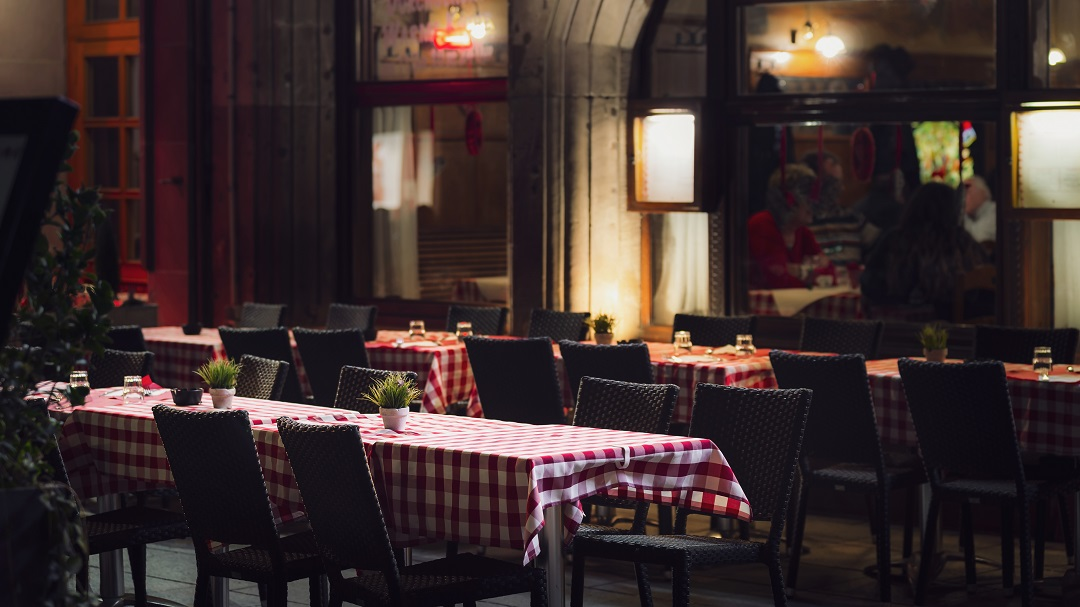
Every restaurant experiences slow periods. Whether it is the lull between lunch and dinner, a quiet weekday afternoon, or a slower season, empty tables represent missed opportunities. Fixed costs such as rent, utilities, payroll, and inventory remain the same regardless of how many guests walk through the door. That is why many restaurant owners look for practical ways to bring in customers when business naturally slows down.
While social media and email continue to play valuable roles in restaurant marketing, they often lack the immediacy needed to influence dining decisions in the moment. Text messaging offers a different advantage. People tend to check their phones within minutes of receiving a message, making SMS an effective way to communicate time-sensitive offers. When used thoughtfully, it can encourage customers to visit during off-peak hours without requiring a large advertising budget.
Why Timing Matters in Restaurant Marketing
Dining decisions are often spontaneous. Someone may be deciding where to eat during their lunch break, looking for a quick dinner after work, or searching for a nearby café while running errands. Restaurants that can reach customers at the right moment have a much better chance of influencing those decisions.
This is where SMS stands out. Instead of hoping customers happen to see a social media post hours later, restaurants can send a timely text announcing a special offer that is available for the next few hours. A message like, “Enjoy 20% off lunch today from 1:00 to 3:00 PM,” creates a sense of urgency while giving customers a clear reason to stop by.
Because text messages are short and direct, customers can quickly understand the promotion without scrolling through lengthy content or clicking multiple links. That convenience helps increase engagement, especially for offers with limited availability.
Turning Slow Hours Into Revenue Opportunities
Many restaurants already offer happy hours or lunch specials, but those promotions are only effective if customers know about them. SMS provides a simple way to increase awareness exactly when those promotions matter most.
Imagine a restaurant that notices Tuesdays between 2:00 and 4:00 PM are consistently slow. Rather than accepting those empty tables as unavoidable, the business could send a text to nearby subscribers every Tuesday morning announcing a limited-time afternoon special. Even a modest increase in guests during those hours can generate meaningful additional revenue over time.
Restaurants can also use SMS to promote:
- Afternoon coffee and dessert specials
- Midweek family meal deals
- Limited-time menu items
- Buy-one-get-one offers
- Early dinner discounts
- Seasonal promotions
- Last-minute event announcements
The flexibility of text messaging allows restaurants to respond quickly to changing conditions, whether that means filling unexpected cancellations or promoting excess inventory before ingredients go to waste.
Personalization Makes Messages More Effective
Customers appreciate marketing that feels relevant rather than generic. Modern SMS platforms often allow restaurants to segment their audience based on previous visits, purchase history, loyalty membership, or customer preferences.
For example, regular brunch guests might receive weekend breakfast promotions, while customers who frequently order takeout could receive exclusive pickup discounts during slower afternoon hours. A family that typically dines on weeknights may respond well to a children’s meal promotion sent before dinner.
Personalized communication often feels less like advertising and more like a helpful reminder. Instead of sending the same message to everyone, restaurants can deliver offers that better match each customer’s habits and interests.
This approach improves customer satisfaction while helping businesses avoid sending unnecessary messages that people may choose to ignore.
Building Customer Loyalty Beyond Discounts
Although promotions help attract immediate visits, SMS can also strengthen long-term customer relationships. Restaurants can use text messaging to thank guests after a visit, invite them to loyalty programs, announce new menu items, or celebrate birthdays with exclusive offers.
These small touches help customers feel appreciated rather than simply marketed to. Over time, consistent communication can encourage repeat visits and build stronger brand loyalty.
Many successful restaurants balance promotional messages with informational updates. For example, they may announce live music nights, chef specials, seasonal menus, holiday reservations, or community events. This variety keeps messages interesting and gives customers more reasons to remain subscribed.
Including SMS marketing for restaurants allows businesses to stay connected without overwhelming their audience with constant sales messages.
Best Practices for Successful Restaurant SMS Campaigns
Like any marketing channel, SMS works best when it respects customers’ time and preferences. Building trust should always come before increasing message volume.
Restaurants should only text customers who have voluntarily opted in to receive communications. Clear permission helps maintain compliance with applicable regulations while ensuring recipients actually want to hear from the business.
Messages should remain concise, easy to understand, and include a clear call to action. Whether encouraging customers to reserve a table, redeem a coupon, or visit before a promotion expires, every text should have a specific purpose.
It’s also important to avoid excessive messaging. Sending too many texts can lead customers to unsubscribe, reducing the long-term effectiveness of the program. Focusing on quality over quantity usually produces better results.
Finally, restaurants should review campaign performance regularly. Tracking redemption rates, customer visits, and engagement helps identify which promotions generate the strongest response and which may need adjustment.
Measuring the Impact of SMS Marketing
One advantage of SMS is that results can often be measured quickly. Restaurants can assign unique discount codes, track reservation links, or compare customer traffic before and after campaigns.
Over several months, this data reveals valuable patterns. Owners may discover that certain days respond better to promotions, specific menu items generate more interest, or different customer groups prefer different offers.
Rather than relying on assumptions, restaurants can make future marketing decisions based on actual customer behavior. Small improvements made consistently over time often lead to stronger occupancy during traditionally slow periods.
Combining SMS insights with loyalty program data, point-of-sale reporting, and customer feedback provides an even clearer picture of how messaging contributes to overall business performance.
Slow hours are an unavoidable part of operating most restaurants, but they do not have to remain unproductive. With thoughtful planning and well-timed communication, text messaging gives restaurants a practical way to encourage more visits during quieter periods. Its speed, simplicity, and high visibility make it particularly well suited for promotions that depend on immediate action. Filling even a handful of extra tables during slower hours can make a meaningful difference, and SMS provides a straightforward way to help make that happen.
