

A vehicle’s air conditioning system depends on several components working together to produce cool, comfortable air inside the cabin. Among these parts, the compressor has a particularly important mechanical function. It circulates refrigerant through the air conditioning system, allowing heat to be removed from the cabin and released outside the vehicle.
For Hyundai owners, understanding how the compressor works can make it easier to recognise early signs of trouble. Strange noises, weak cooling, refrigerant leaks and unusual odours can all point towards an issue within the air conditioning system. Knowing what these symptoms mean can also help drivers discuss repairs with a qualified automotive technician.
What Does the AC Compressor Do?
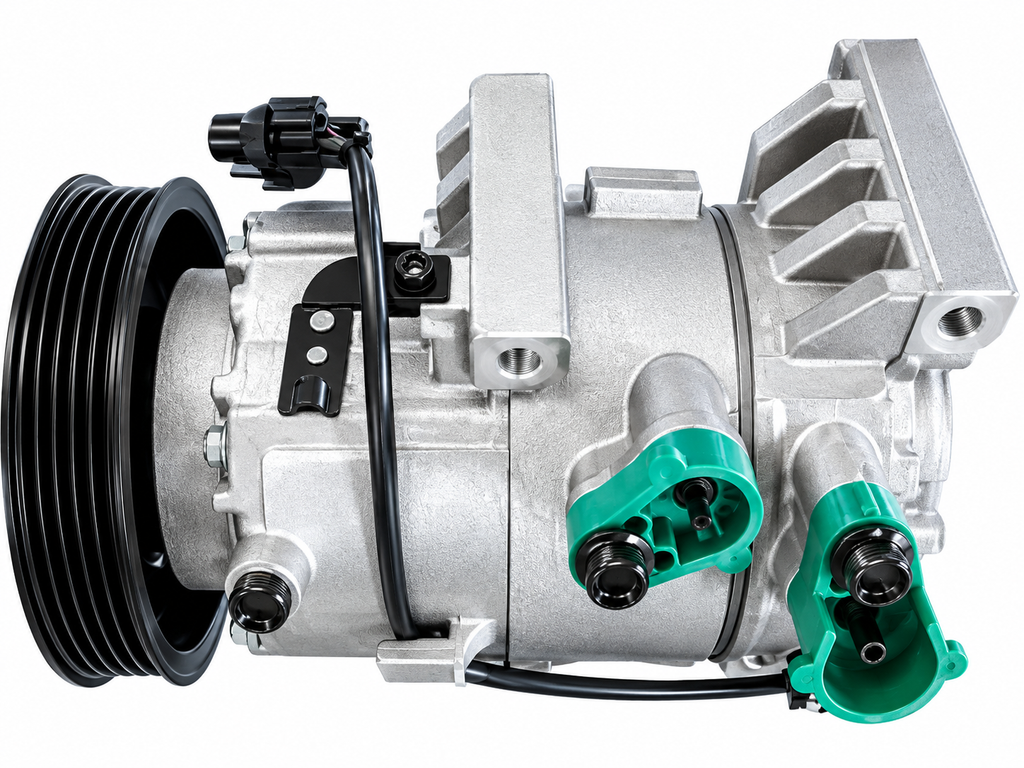
The compressor is often described as the heart of an automotive air conditioning system because it keeps refrigerant moving through the system. It draws low-pressure refrigerant gas from the evaporator and compresses it into a high-pressure, high-temperature gas.
That gas then travels to the condenser, where heat is released. As the refrigerant continues through the system, it changes pressure and temperature before reaching the evaporator inside the cabin. Air passing over the evaporator becomes cooler, and the blower sends that cooled air through the vehicle’s vents.
A properly functioning Hyundai AC compressor therefore affects much more than the temperature of the air. Its operation is connected to the overall performance of the vehicle’s climate control system.
Signs That the Compressor May Have a Problem
Air conditioning problems can develop gradually or appear suddenly. Several symptoms may indicate that the compressor or another related component requires inspection.
Weak or Warm Air From the Vents
If the air conditioning is switched on but the vents produce air that is only slightly cool, the compressor may not be circulating refrigerant correctly. Low refrigerant levels, electrical faults, condenser problems and restrictions elsewhere in the system can produce similar symptoms, so professional diagnosis is necessary.
Unusual Noises
Grinding, rattling, squealing or knocking sounds when the air conditioning is operating can indicate mechanical wear. A worn bearing, damaged pulley or internal compressor component may be responsible.
A compressor that makes abnormal noises should not be ignored. Continuing to operate a damaged unit can sometimes place additional strain on other parts of the air conditioning system.
Refrigerant Leaks
The compressor itself can develop leaks around seals or connections. Refrigerant may also escape from hoses, pipes, the condenser or evaporator. A low refrigerant charge reduces cooling performance and can affect compressor operation.
Because automotive refrigerants require proper handling and recovery equipment, leak diagnosis and refrigerant servicing should be carried out by appropriately qualified technicians.
Air Conditioning Cuts In and Out
Intermittent cooling can have several causes. Electrical connections, pressure sensors, relays, refrigerant levels and compressor controls may all need checking. On some vehicles, the compressor is controlled electronically rather than operating in a simple continuously engaged manner.
Why Correct Diagnosis Matters
Not every air conditioning fault means the compressor needs replacement. A faulty fuse, damaged wiring, low refrigerant charge, blocked condenser or malfunctioning pressure sensor can create symptoms that resemble compressor failure.
Replacing the compressor without identifying the underlying cause can lead to unnecessary expense and may not resolve the original problem.
A technician will generally assess the system’s pressure, electrical operation and visible condition before deciding what component requires attention. Depending on the vehicle and fault, additional tests may be required to identify contamination, leaks or mechanical damage.
Choosing the Correct Compressor
Hyundai produces a wide range of vehicles, and compressor specifications can vary between models, engines and production years. Physical appearance alone is not enough to establish compatibility.
The vehicle identification number (VIN), model information, engine specification and existing compressor details can help identify the correct replacement. Mounting points, pulley configuration, electrical connections and refrigerant specifications should also be checked.
Searching for a Hyundai air conditioner compressor without confirming the exact vehicle application can result in purchasing a part that looks similar but does not match the vehicle’s requirements.
New, Remanufactured or Used Parts
Replacement compressors are available in several forms. A new compressor is manufactured as a replacement unit and may be supplied with relevant installation components. Remanufactured compressors have been rebuilt and tested, although the quality and warranty can vary between suppliers.
Used compressors may cost less initially, but their remaining service life can be difficult to determine. The condition of the internal components, seals and pulley may not be obvious from an external inspection.
The right option depends on the vehicle’s age, repair budget, parts availability and the expected service life of the vehicle. Warranty terms should also be checked before purchasing a replacement.
What Happens During Compressor Replacement?
Replacing an automotive compressor involves more than removing the old unit and installing another one. The refrigerant must first be recovered using suitable equipment. The system may then require inspection for contamination, leaks or other faults.
After the damaged compressor is removed, the replacement unit is installed according to the manufacturer’s requirements. Depending on the circumstances, other components may need cleaning or replacement, particularly if the failed compressor has released metal particles or contaminated lubricant into the system.
The system is then evacuated to remove air and moisture before the correct refrigerant charge and compressor oil are added. Operational checks can confirm that the system reaches the expected pressures and produces appropriate cabin cooling.
Preventing Unnecessary Air Conditioning Problems
Regular vehicle servicing can help identify air conditioning issues before they become more expensive repairs. Drivers should pay attention to changes in cooling performance, unusual sounds and visible signs of fluid leakage.
Running the air conditioning system periodically can also help keep components and seals in use, including during cooler months when drivers may not otherwise switch the system on.
Keeping the condenser area reasonably clear of debris is another useful maintenance measure. Restricted airflow can affect the system’s ability to release heat.
Following the vehicle manufacturer’s servicing recommendations remains the most reliable way to manage long-term air conditioning maintenance.
Understanding Compressor Compatibility
Different Hyundai models may use different compressor designs, connections and control systems. Even two vehicles from the same model range may have different parts depending on engine configuration or production year.
Before purchasing an AC compressor Hyundai replacement, checking the exact vehicle application is therefore essential. Part numbers and manufacturer specifications provide stronger confirmation than visual matching alone.
A suitable compressor should work with the vehicle’s refrigerant system, electrical controls and mounting arrangement. Incorrect parts can cause poor cooling, electrical faults or mechanical problems.
When Professional Inspection Is Needed
Some air conditioning checks can be observed by the vehicle owner, but refrigerant recovery, evacuation and charging require appropriate equipment and handling procedures. Compressor replacement also involves components that operate under pressure and can be affected by incorrect installation.
Professional inspection is particularly appropriate when the compressor is noisy, the system repeatedly loses refrigerant, cooling performance changes suddenly or the air conditioning stops operating altogether.
Identifying the actual cause before replacing parts helps prevent repeated repairs and gives the vehicle owner a clearer understanding of the work required.
A compressor is a major part of the vehicle’s cooling system, but it does not operate independently. Refrigerant, electrical controls, the condenser, evaporator, expansion device and associated lines all contribute to the final result. Understanding how these components interact makes it easier to recognise potential problems and arrange suitable servicing before a minor fault develops into a larger repair.
